Whether you’re designing a new space from scratch or planning an overdue kitchen refresh, here is why choosing a fluted wood island will instantly elevate your scheme.
Fluting, although it has experienced multiple surges in popularity throughout time (in the late 1800s, during the Art Deco era, and later in mid-century design), has proven that it is far from being a fad; it’s enduring.
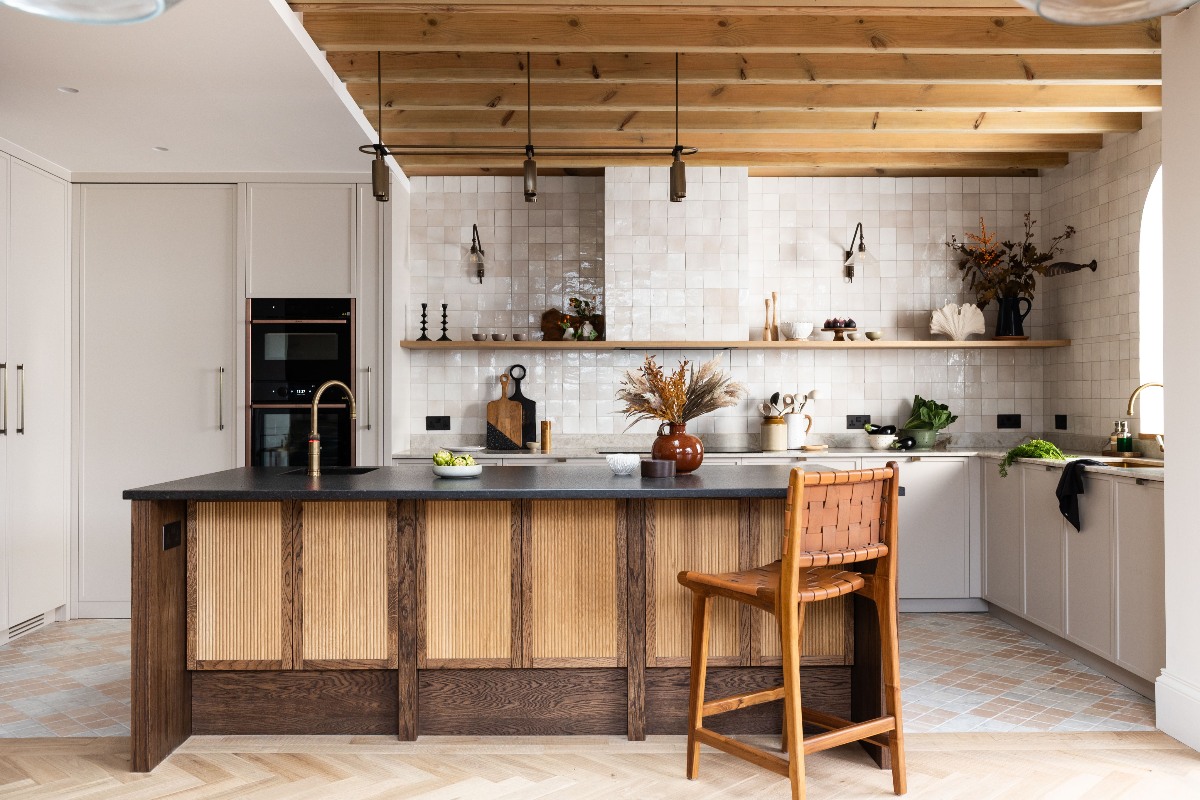
And ever since the early 2020s, when it had its latest remarkable resurgence, it’s grown even more popular, adorning everything from wall cladding, glass, to furniture, with textured islands being a prominent feature in kitchen design.
Only now, there’s also a particular material on the rise alongside this tactile finish – and that is wood. If this look has sparked your curiosity, I’ve asked the experts all about it…
So, why are fluted wood islands popular?
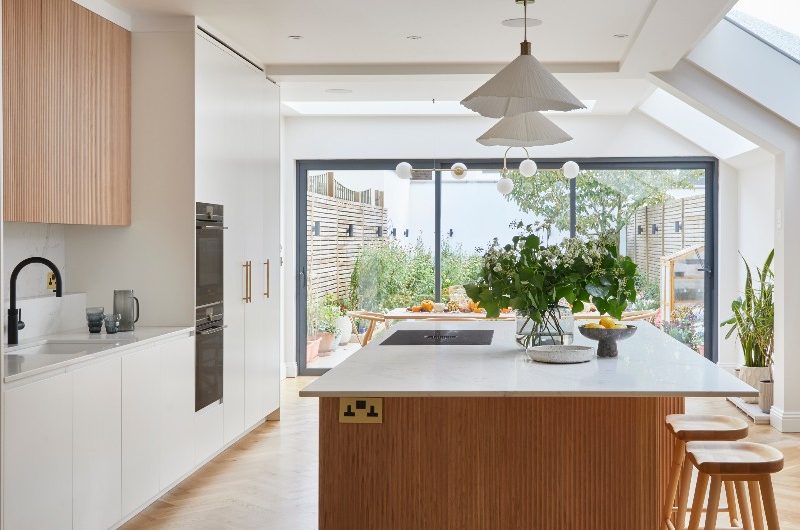
Eloise Pfeiffer, interior designer at Pfeiffer Design, tells me fluted wood islands have risen in popularity thanks to their combination of texture, warmth, and sophistication. “Homeowners are looking for spaces that feel curated and personal, and the elegant grooves of a fluted cabinet help to add depth and movement to cabinet fronts, turning an island into a true design feature,” she explains. “The tactile surface helps to soften modern kitchens and brings a true sense of craftsmanship to kitchens.”

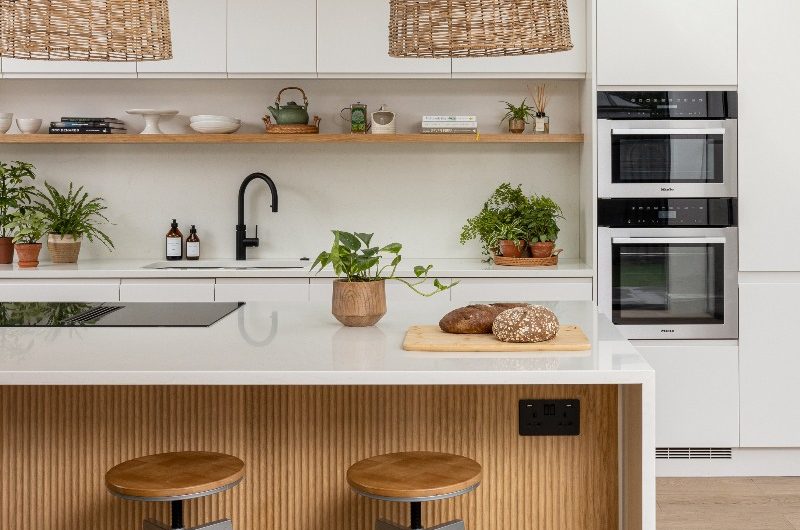
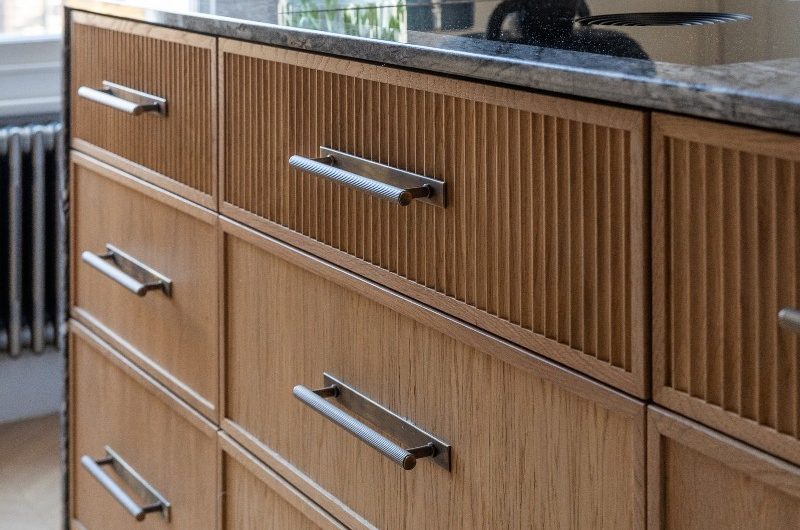
Rhiannon Phenis, head of design at Sola Kitchens, agrees and adds, “Fluted wood has a beautiful way of catching light and shadow. It brings a soft rhythm to a space and feels crafted — not overly ornate, but with just enough texture to make it feel special.”
It also introduces warmth, while elevating the overall design aesthetic, says Reuben Ward, lead designer at Blakes London. “As a bespoke detail not readily available on the high street, fluting offers a quietly luxurious finish, distinctive, refined, and increasingly sought-after for its ability to create a space that feels both unique and timeless.”
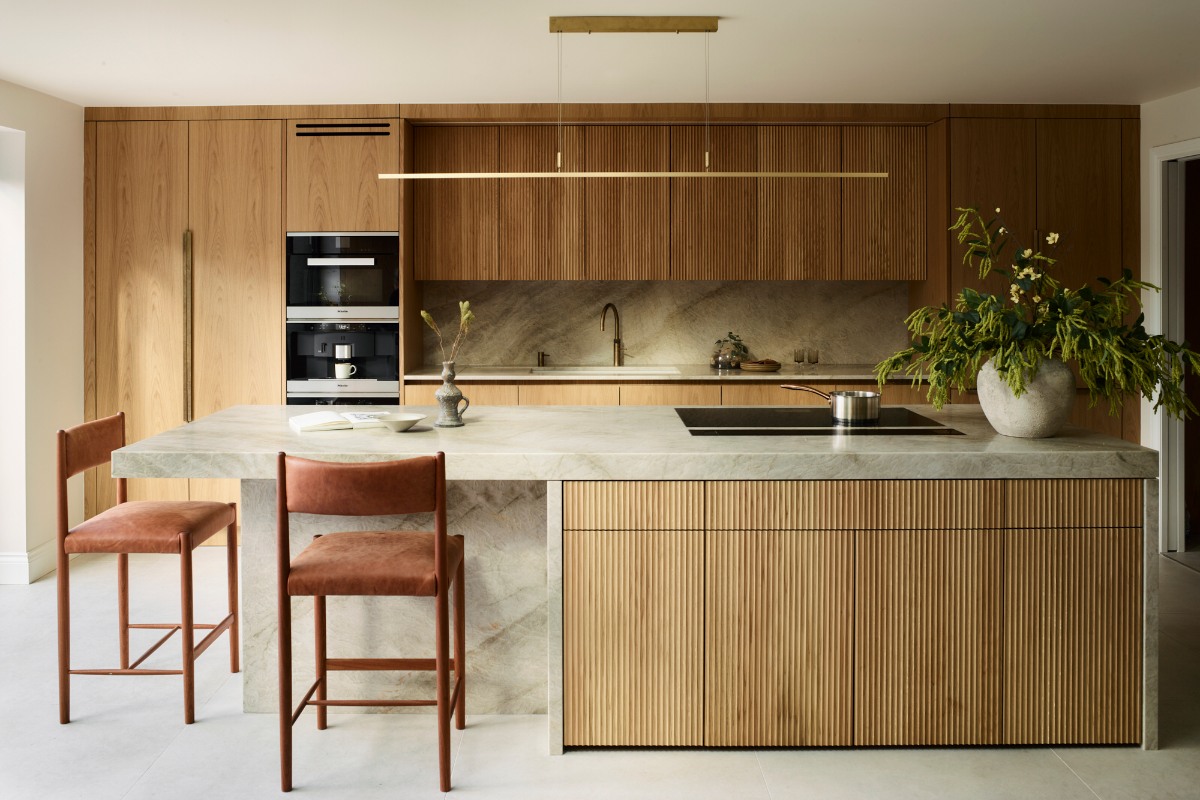
Another reason for its enduring appeal is its versatility, says Rhiannon. “Fluting can add structure to large kitchen islands without overwhelming them, and it pairs effortlessly with natural stones, brushed metals and clean-lined cabinetry. Whether in warm oak tones or painted finishes, fluting adds dimension while maintaining an elegant, cohesive feel.”
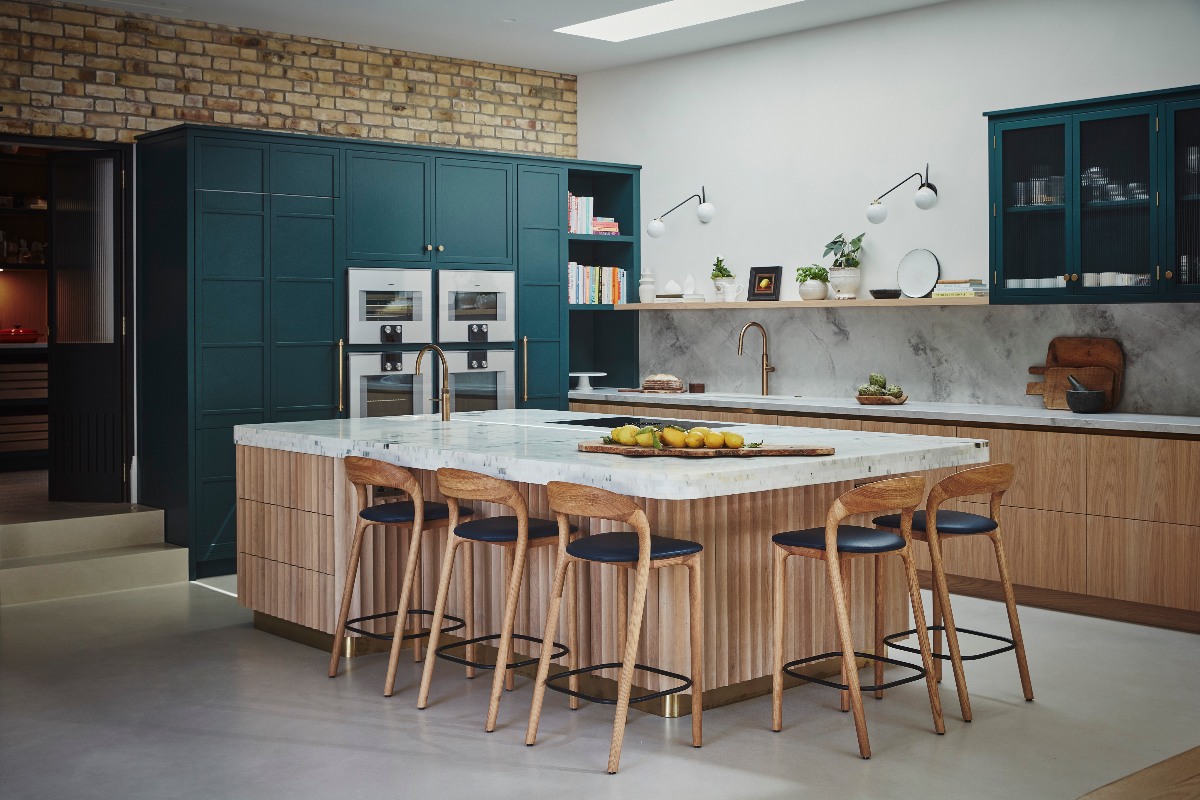
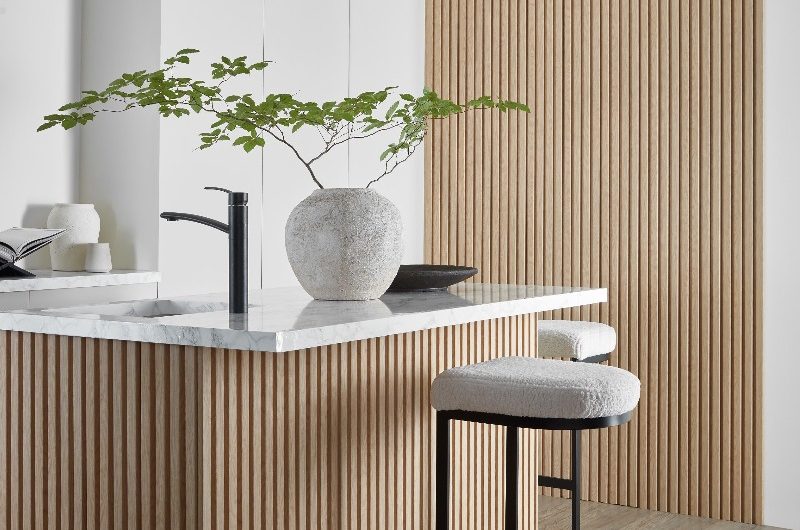
Plus, if you love more pared-back or calm, Scandi interiors, opting for a tactile finish on your island will undoubtedly introduce the wow factor. “It’s the perfect way to make your island a strong feature point of the kitchen without having to use colour and pattern,” says Rebecca Nokes, design director at John Lewis of Hungerford.
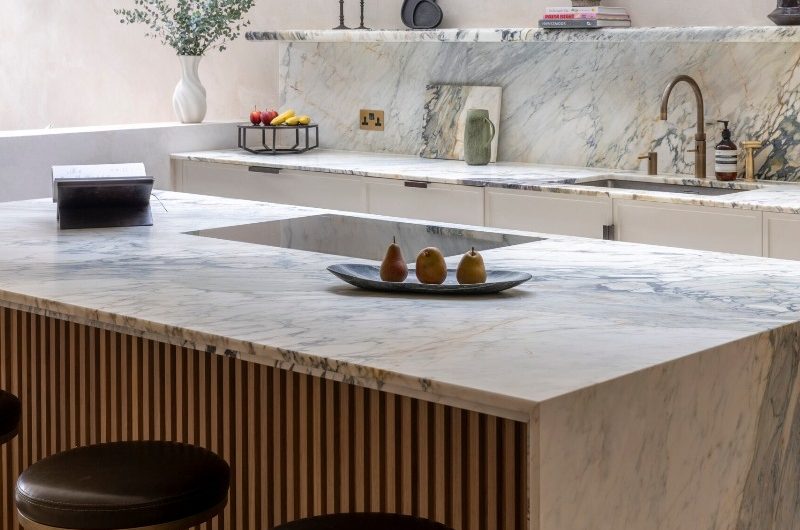
Tips for getting the look right
To embrace the look, Rhiannon recommends natural or lightly stained finishes to highlight the grain and texture of the wood, and keeping surrounding cabinetry and worktops clean to let the fluting sing. “For a harmonious overall design, echo the fluting in other areas, like open shelves or wall panels,” she adds.
“We’re seeing more clients drawn to materials that feel honest and grounded. A fluted wood island doesn’t just elevate a kitchen – it brings it to life,” concludes Rhiannon.
Enjoyed this post? Click here for more fluted wood kitchen island ideas
About Post Author