Setting off on a kitchen renovation journey in 2026? We talk to the experts to ensure you’re well-equipped when it comes to taking those first steps…
Let’s face it, there’s a lot more to kitchens than just the colour, says KBB journo Laurie Davidson. There’s the cabinetry style, the tiles, the fittings, the appliances, the surfaces, not to mention the layout and ensuring your heating is efficient.
If you’re feeling a bit bamboozled by all the decisions and choices, you wouldn’t be alone – which is why we’re here to help with some advice from the experts in each field, so you can go into your buying journey feeling more informed and knowing what to keep in mind.
Read on or click through to start your very first steps to designing a new kitchen…
- Cabinetry styles
- Worktops
- Paint
- Appliances
- Kitchen layouts
- Special features
- Budget planning
- Where to start buying tiles
- Kitchen lighting
- Heating
- Glazing
- Finishing touches
1. Understanding cabinetry styles
Do you know the difference between Shaker and inset cabinets? Familiarising yourself with the various cabinetry types means you’ll get a better idea of what you do and don’t like, as well as what would suit your style of home. “The best place to start is with a wishlist,” says Cassie Jones, brand manager at Masterclass Kitchens.
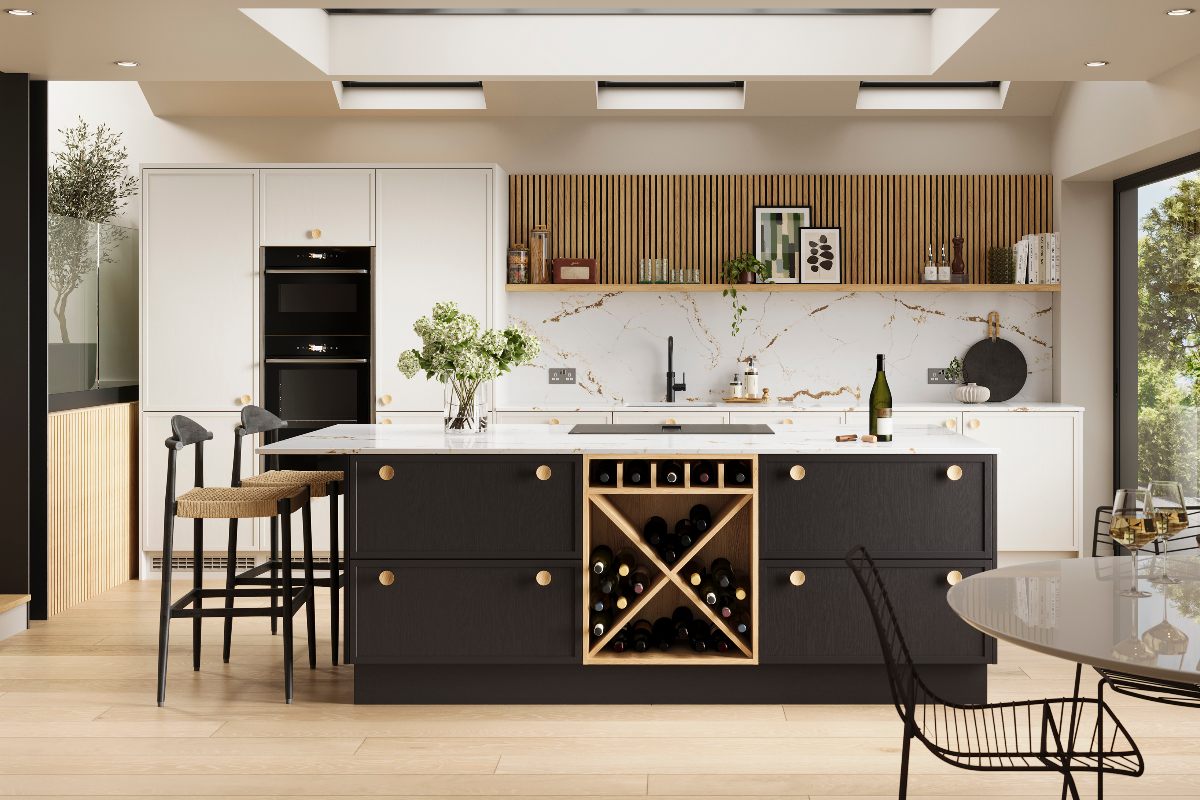
“Think of it as your kitchen dream board, a clear list of what you need and want from the space. Ask yourself if you already have a cabinetry style in mind – would you like something sleek and modern, or warm and traditional? For instance, handleless cabinetry tends to look most at home in modern settings, pairing well with integrated appliances for a seamless look.
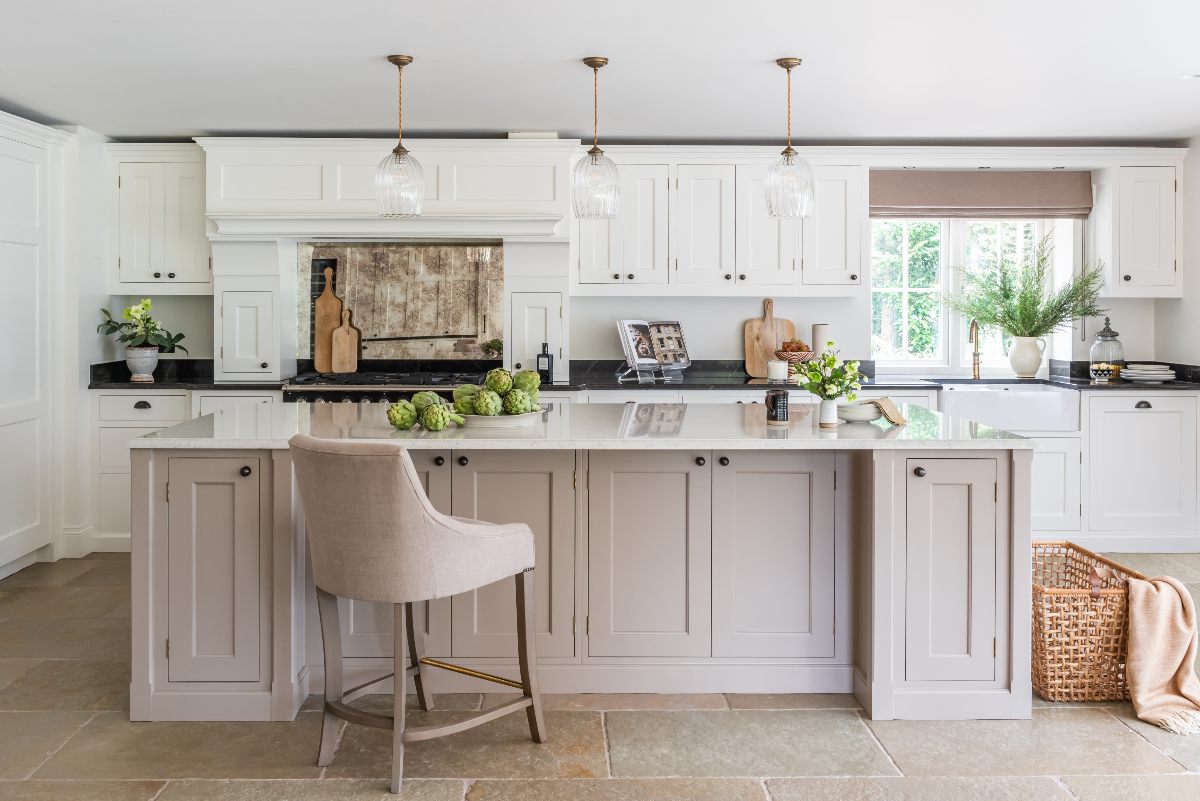
“Likewise, being both modern and simplistic, slab-style kitchen cabinets feature a flat panel with a handle, making them incredibly versatile. Slim Shaker is a happy medium between contemporary kitchens with flat doors and traditional, Shaker-style designs. A classic Shaker kitchen is made using in-frame timber cabinetry, sometimes with lots of detailed mouldings. Research these looks and see which appeals to you more – this will help you narrow down your kitchen style.”
2. Kitchen worktops
There’s so much variety when it comes to worktops, but if you start by running through a few key points, it should help whittle down your choices. Of course, you don’t have to stop at using just one surface – combining a few different materials will add visual interest while giving you hardier surfaces where you most need them. “Worktops are the unsung heroes of a kitchen – they handle the demands of everyday life,” says Mor Krisher, head of product design at Caesarstone.
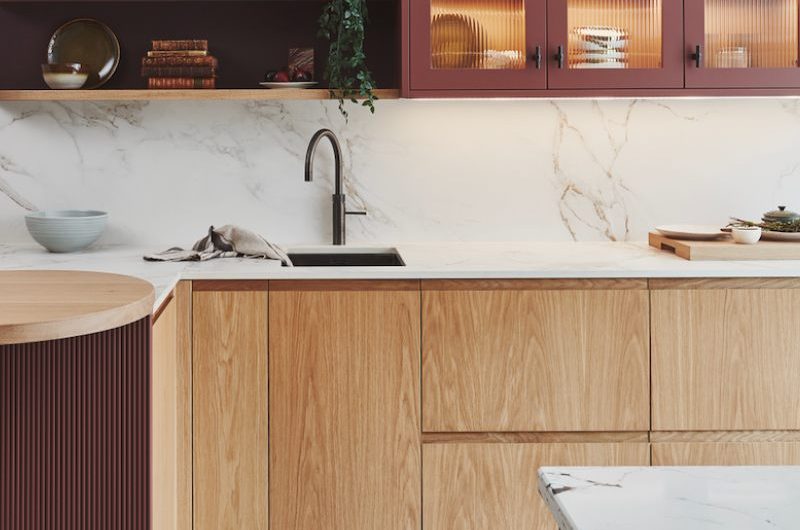
“When starting your search, focus on three things: durability, maintenance, and style. Ask yourself how much cooking (and mess!) really happens in your kitchen to steer you towards materials that match your lifestyle.” For instance, natural stone, such as marble, is luxurious but susceptible to staining and damage, while engineered surfaces offer the same or similar aesthetics and are tougher and easier to clean. “Research options offering lifetime warranties, third-party, and sustainability certifications. Know how you live, then choose accordingly,” says Mor.
3. Buying paint
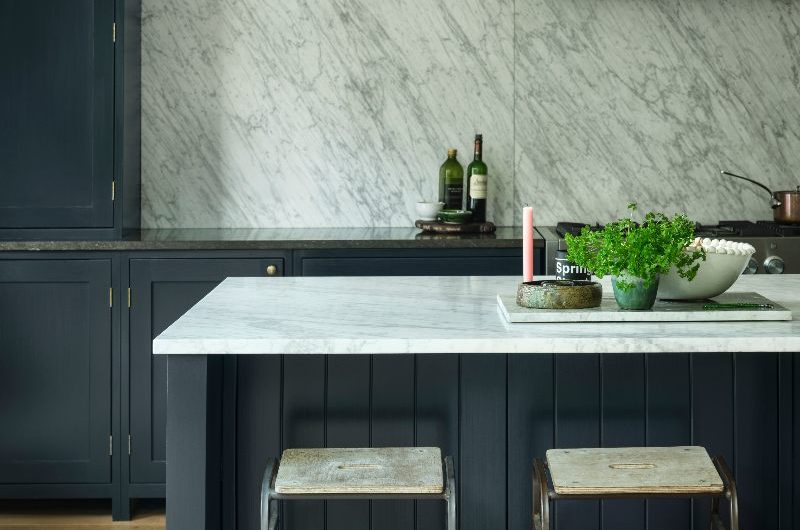
Whether it’s for your kitchen walls or your cabinetry, choosing not just the right colour, but the best type of paint will help create a beautiful and longer-lasting finish. “When it comes to painting kitchen walls and cabinets, too often, people get caught in the process of choosing a colour and don’t spend enough time thinking about the finish – which is crucial,” says Helen Shaw, UK marketing director at Benjamin Moore.

“Focusing on the durability of paints and how easy finishes are to clean is a great place to start when selecting your paints. Satin or eggshell finishes are ideal for walls because they are easy to maintain and offer a soft, subtle look,” adds Helen.
“Cabinets, on the other hand, receive a lot of scuffs and bumps, as well as being touched, so these surfaces need a different finish; something more durable like semi-gloss or gloss, which resist moisture and grease, will do the trick here. When it does come time to pick a colour, coordinating cabinet and wall shades using shared undertones helps create harmony with countertops, splashbacks, and floors.”
4. Appliances
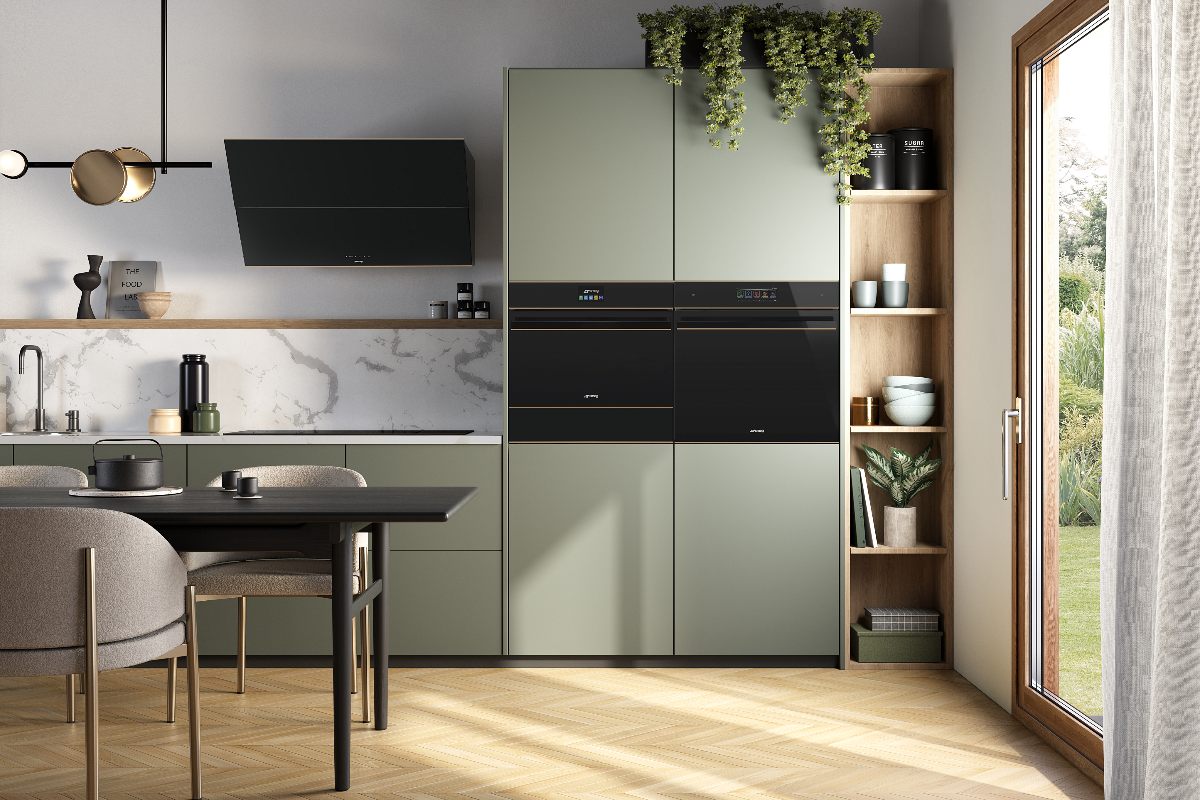
From fridges and freezers to hobs and coffee machines, technology has come a long way, which makes choosing your appliances somewhat harder. So, where should you start? “Choosing new kitchen appliances can be overwhelming, especially if you’re starting from scratch,” admits Federica Torelli, head of products at Smeg.
“Begin by thinking about your lifestyle and how much space you have to work with, considering how you use your kitchen day to day, and prioritise accordingly. Energy efficiency is well worth considering, not just for the environment but also for long-term savings. Don’t be afraid to ask questions or take your time comparing features. It’s easy to get caught up in the latest tech, but focus on what will genuinely make your life easier and suit the way you live.”
5. Understanding kitchen layouts
Locating your fridge, sink, and hob close to each other can help with easy navigation between the three stations; but what else do you need to consider for designing a good kitchen layout? “When it comes to renovating a doer-upper, and having done it personally myself, I realised early on that a kitchen layout isn’t just about what looks good, it has to function for family life,” says Allison Lynch, a senior designer at Roundhouse.
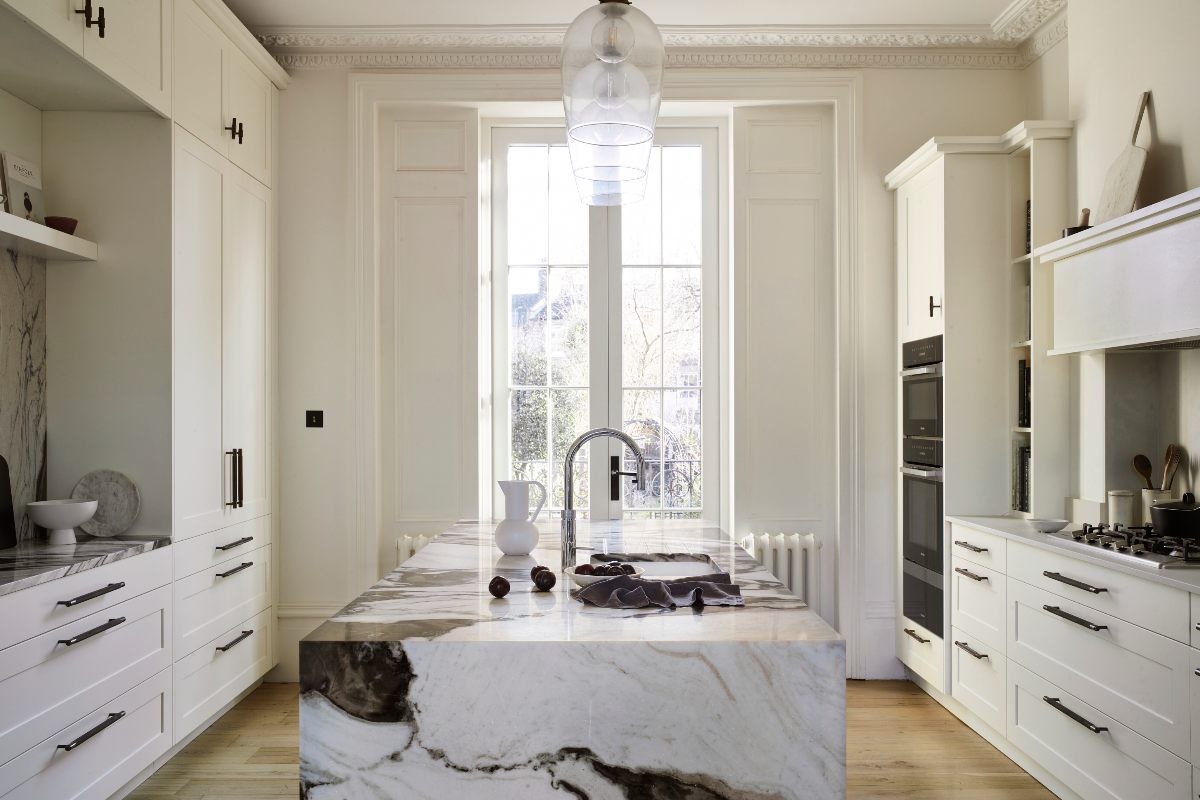
“First, work out what your household will actually need, now and in the future. Then speak to an architect. They’ll help you figure out what’s possible within your home’s footprint and, crucially, your budget. Be clear on your numbers early. Architects can design within those limits, saving you costly changes later.
“Think about the kitchen’s flow, too: how you move through it, where light comes in, and how the layout connects to the rest of your home. You don’t need to finalise cupboard colours yet, but start thinking about things like window placement, heating, and where appliances will go. A good layout feels natural and grows with your family.”
6. You might need a boiling-water tap
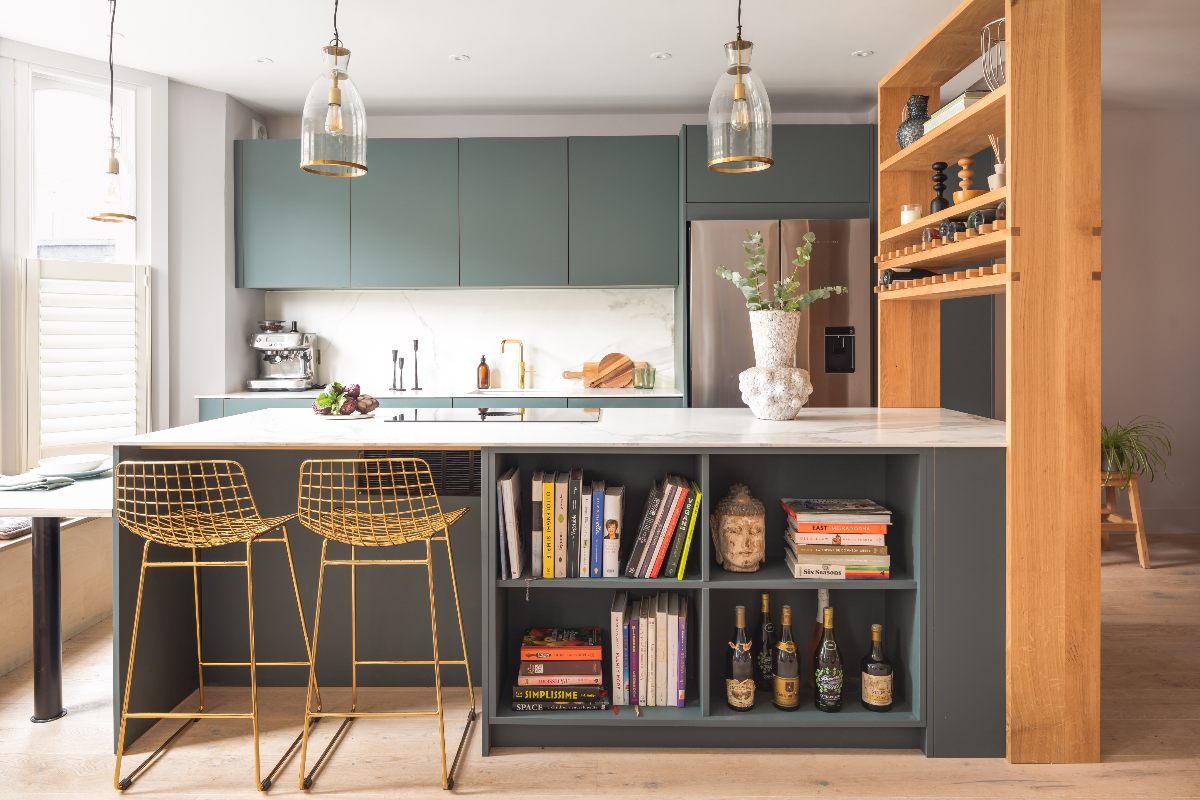
Have you thought about including a boiling-water tap? If not, you might want to see what all the fuss is about. “Boiling-water taps might seem like a luxury, but they’re quickly becoming a modern kitchen essential,” says Tamsin Mills, Blanco’s brand communications manager. “Think of them as the sleeker, faster cousin of the kettle. Before getting started, it’s worth checking your water pressure, as it needs to be up to standard for the tap to function properly. Take a moment to think about how you’ll use your boiling-water tap each day, not just for boiling water, but whether you’d also like features such as chilled filtered or sparkling water on demand.”
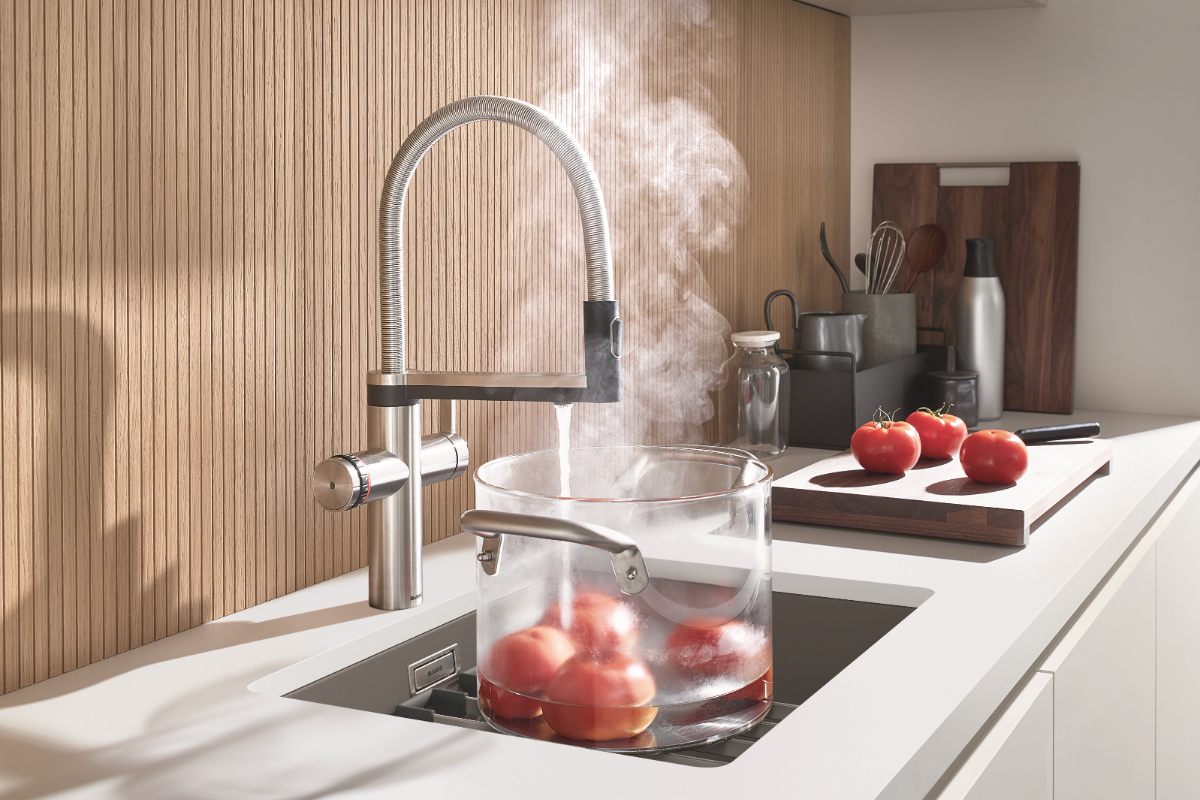
“Safety features, especially if there are children in the house, and energy efficiency are also important factors to consider,” continues Tamsin. “Lastly, bear in mind that installation will require a bit of space beneath your sink and an electrical point. But once it’s in, you’ll wonder how you ever managed without one.”

7. Budget planning
With so much to factor in, how do you decide firstly, how much you’re going to need, and secondly, how much you should spend on each part of your new kitchen? “The most important part of planning your kitchen renovation is to set a realistic budget for a designer to work with,” says Darren Taylor, managing director of Searle & Taylor. “Please rest assured, this subject will arise in your initial meeting, so be prepared to discuss it.”
“As a guide, most homeowners invest between five and 15% of their home’s value into a kitchen renovation, which can be a good starting point when setting your budget,” says Tim Higham, founder of Higham Furniture. The cost of the professional design process tends to be incorporated in a kitchen company’s cabinetry charge, so bear this in mind when you receive your quote. Then, the next major considerations when designing your kitchen will be the appliances and the worktops.
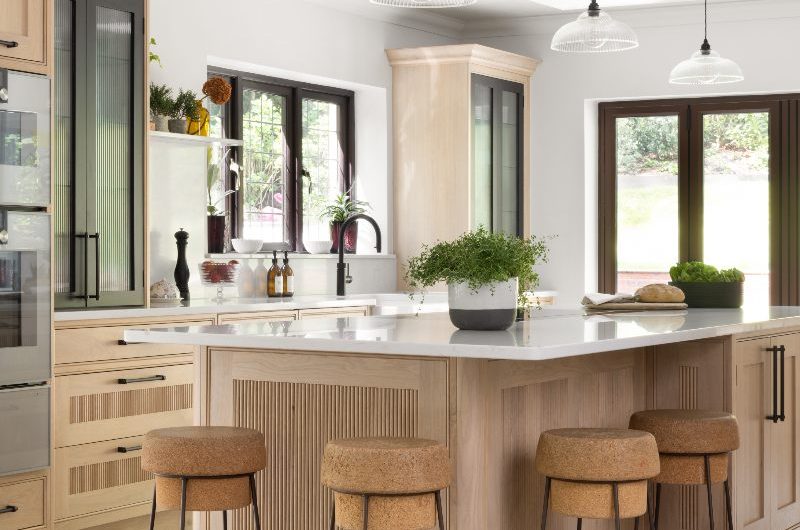
Research, research, research
These aspects are worth researching in advance, because they can often comprise the costliest parts of your kitchen, after the cabinetry and worktop. Add to this a sink and tap, paint, and, in most cases, handles for every door and drawer, along with the cost of installation.
You need to include all of these in your budget. It’s also a good idea to research the kitchen company, and its Google reviews, before committing your given budget. This is because once you agree on your design, you will need to pay a deposit in advance (usually 40-50% of the overall cost of the kitchen).
8. Where to start buying kitchen tiles
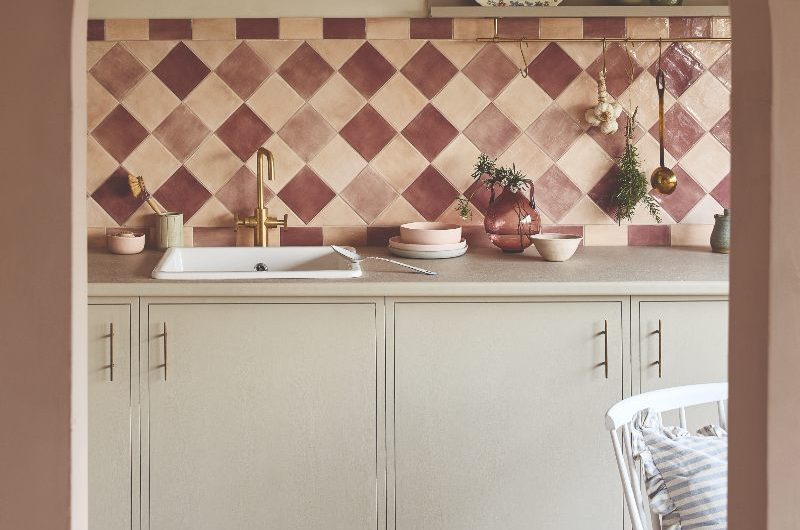
“Once you’ve chosen your cabinets, head to a tile showroom, ideally armed with some pictures you like or a Pinterest board of ideas,” advises Rob Whitaker, creative director at Claybrook Studio. “Don’t forget you need to choose wall and floor tiles, and possibly adhesives and grout, so chat to your installer first. Also, take a sample of your cabinets with you. If you can’t get to a showroom then order samples to see how they look in situ.” Rob also suggests considering how you’ll use the kitchen when designing your space – are you a flamboyant cook that will need durable splashbacks, or a kitchen clean freak?
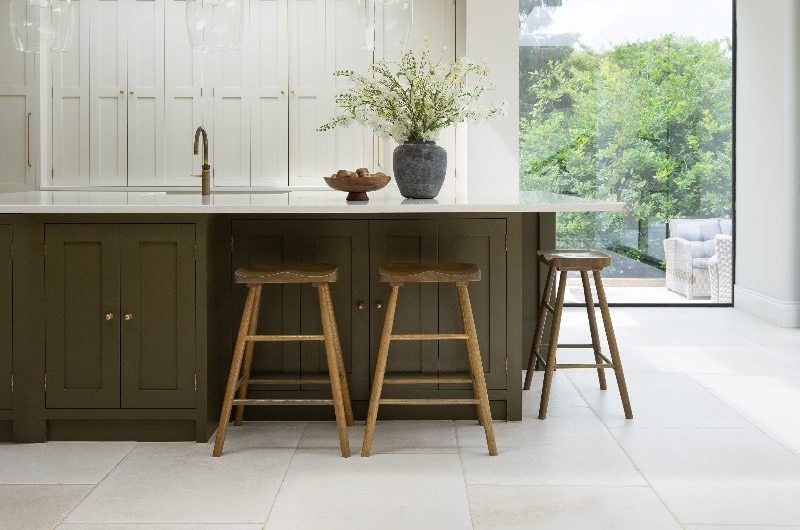
“Either way, pay very close attention to tile suitability and installation guides; these should be available on the retailer website and contain vital information such as whether a wall tile stains easily or if a floor tile has good slip resistance. A trip to a showroom will mean you can talk to someone directly about all these considerations. Try not to have very set ideas before you go… most people come into the showroom wanting one thing and leave having chosen something different.
“Finally, if your project involves family, do take time to talk about what you want before you visit a showroom – you’d be amazed how many couples seem to have two completely different ideas when they arrive!”
9. Kitchen lighting
Leave your lighting too late and you could end up with dark areas that aren’t practical for everyday use, so try and keep this in mind when planning your layout. “Take a look at your overall kitchen layout and plan the lighting around your lifestyle,” advises Ally Dowsing-Reynolds, co-founder of Dowsing & Reynolds.
“You’ll likely have an area for prepping food, or maybe you’d like to enjoy a cosy drink at the island when the kids go to bed. This is where your lighting layers come in – task, ambient and accent lighting. Task lighting is for the areas where you need focussed light: think spotlights and under-cabinet lighting for cooking or working if your kitchen doubles up as a home office.”
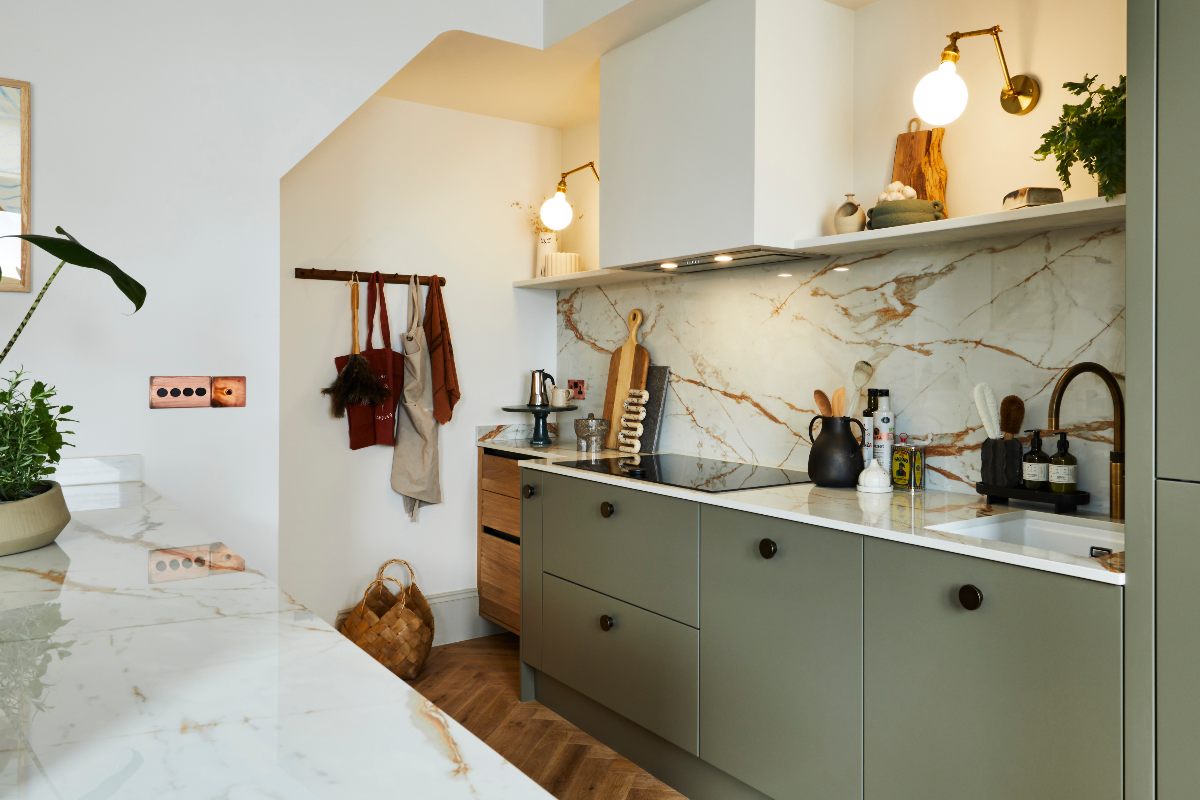
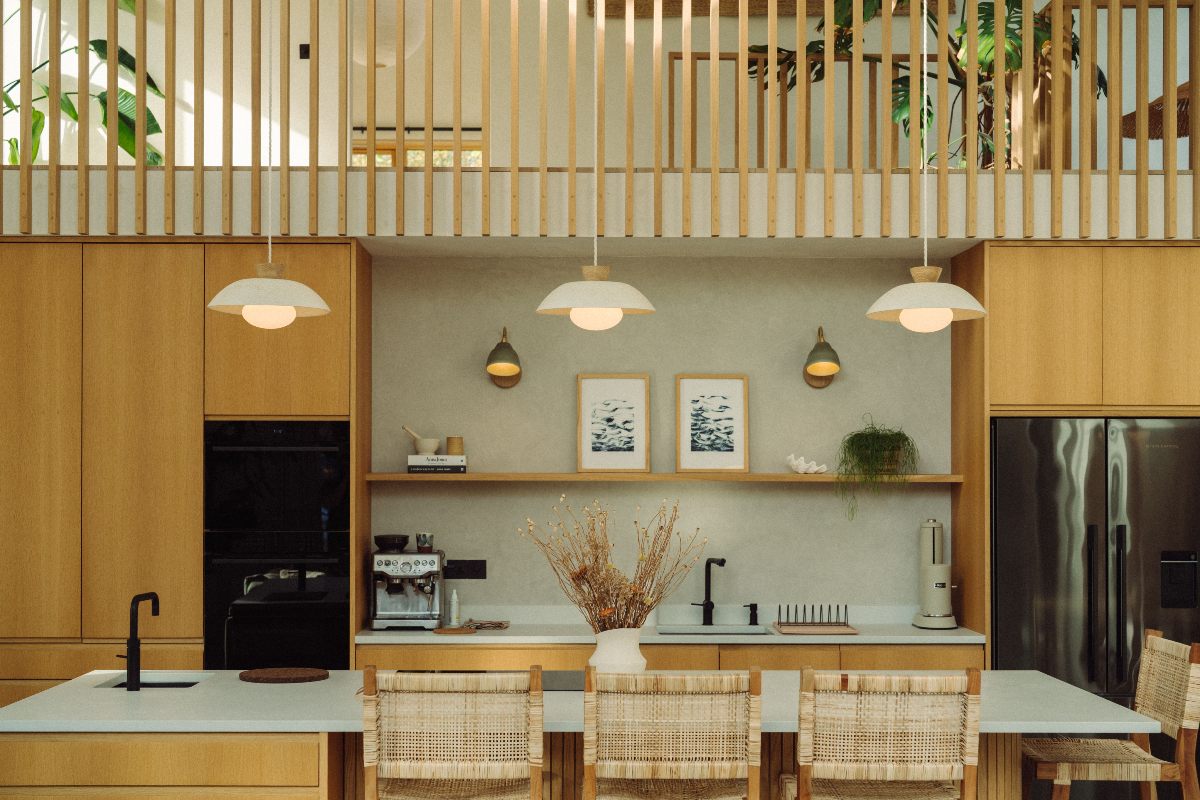
“Ambient lighting is for when you want to wind down – maybe that’s some wall lights that come on once the spotlights are no longer needed, or a trio of pendants over an island. Don’t forget to put your lights on a dimmer so you can adjust them,” Ally continues.
“Accent lighting is where you can create little pockets of light – I personally love a lamp on a kitchen island or breakfast bar. It creates a beautiful, warm glow, and brings a bit of personality to your space. I think of it a little like putting layers of clothing on; you can take a layer or two off, and you can turn down a few lights to get the feel you want.”
10. Heating
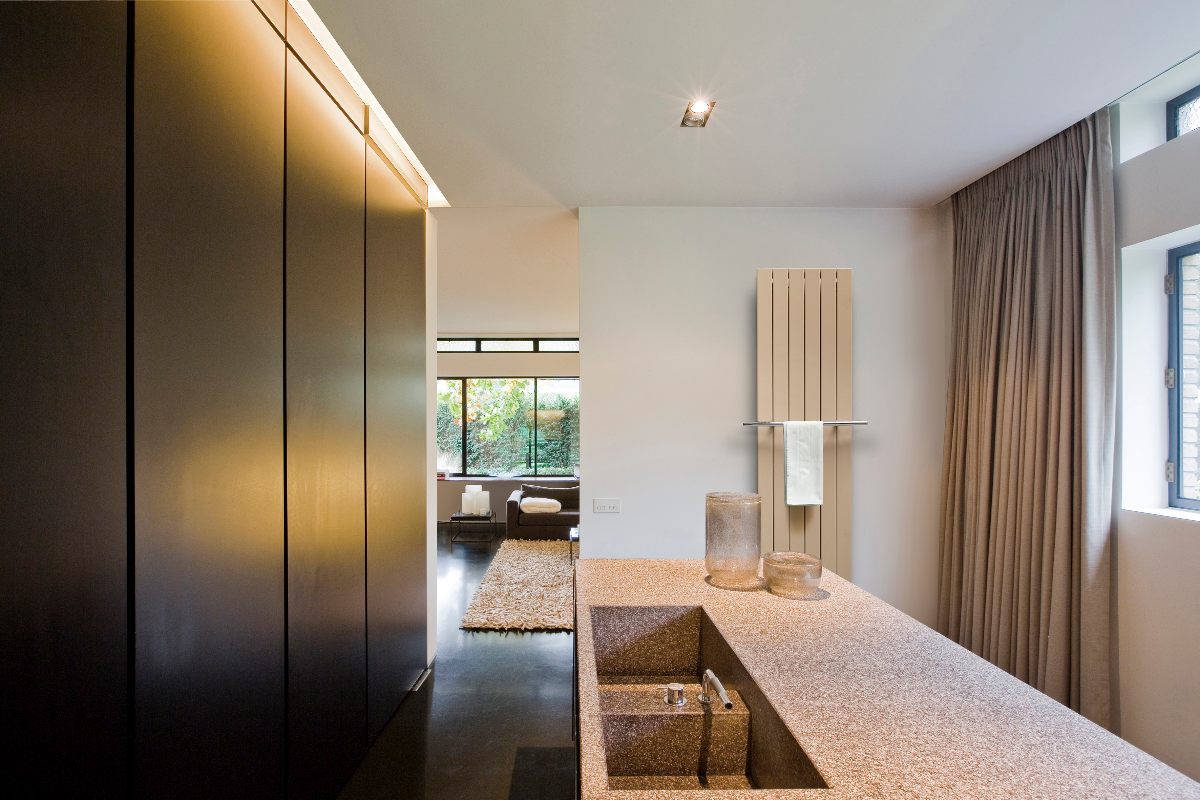
Warming your kitchen is something you should plan early on. But how do you make sure you get it right? Firstly, you will need to ensure the correct heat output for the room (which you can do using an online heat calculator). “When it comes to your kitchen renovation, planning your heating from the very start is essential as it would mean deciding between going radiator-free for more space to play with, or choosing a system that works seamlessly with your layout,” says Tom Edmunds, general manager of Wunda Group.
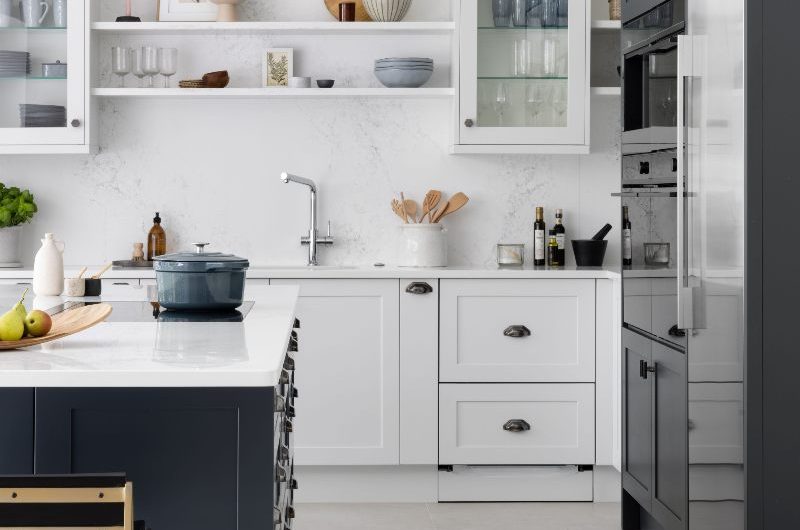
“Think comfort first, style second, but know that the two can co-exist. Kitchens are often the busiest room in the house, so even heat that doesn’t leave cold spots is important. Underfloor heating is a favourite because it keeps walls clutter-free and gives you layout freedom. The key is choosing something that allows you to design your kitchen with freedom and maximises your usable space, is energy-efficient, controllable, and spreads warmth evenly – so the whole room feels welcoming no matter where you step.”
11. Where to start with your glazing design
So, you know you want some bi-fold doors or a roof lantern, but what’s the next step? “Your new kitchen and glazing should be designed in tandem,” says Rebecca Clayton, director of IQ Glass. “Where cupboards, storage, or furniture are planned will have an impact on the placement, configuration, and design of your glass doors to the rear. If you’re having lots of glass in your extension, a solar control coating is recommended to stop overheating. This is definitely needed if you are including a glass roof in your extension or having a full glass extension.”
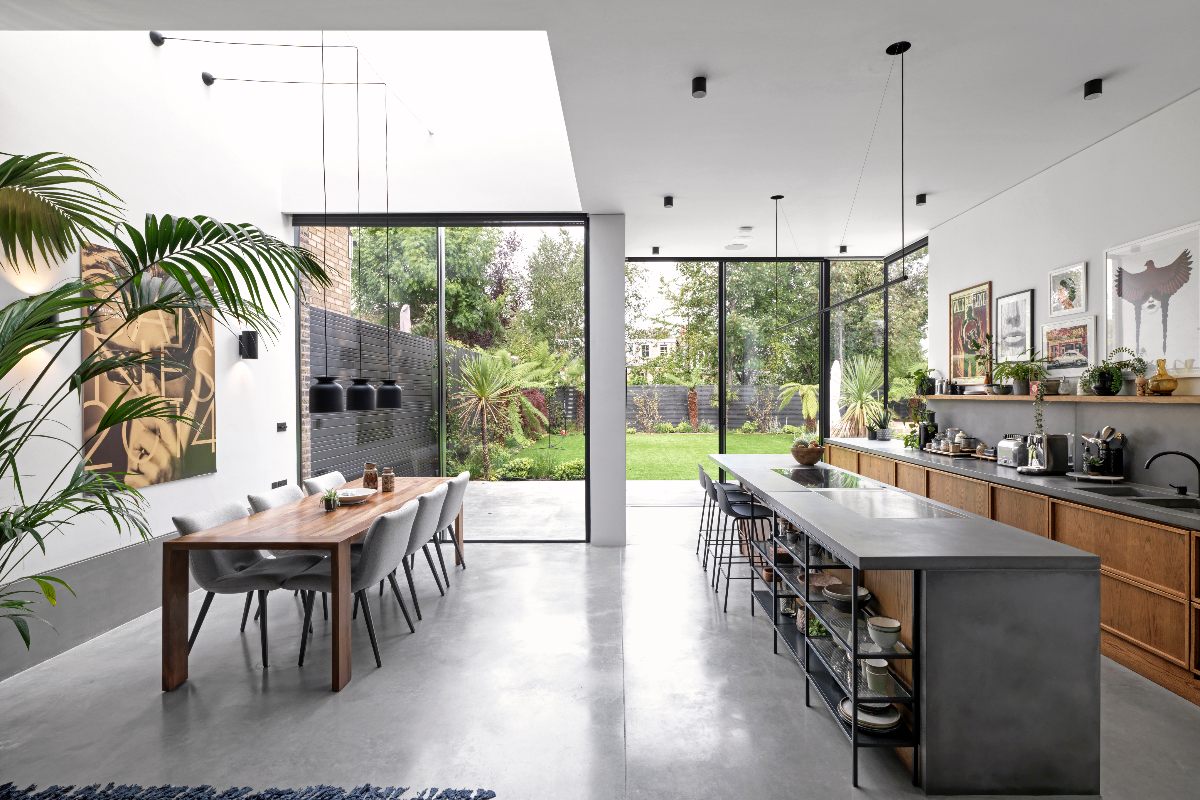
Do your research on styles, budgets, practicality, and maintenance before making your decision. Also, it’s important to speak with your builders or architects early to ensure they adhere to all the regulations and correct structural work – changing your mind on glazing halfway through a build could be a very costly mistake.
12. The finishing touches
Finishing touches – aka the fun part! It’s easy to skip some vital planning when designing your kitchen and go straight to picking out handles, lighting, and decorative pieces. But should they be left until last?
“First, it’s important to say, do not be daunted!” advises Pluck co-founder Leila Touwen. “Finishing touches are the elements that express who you are, the things that bring your character to the kitchen. Though perhaps a little confusingly, the finishing touches for a kitchen sometimes need to be considered at the start of the renovation!”
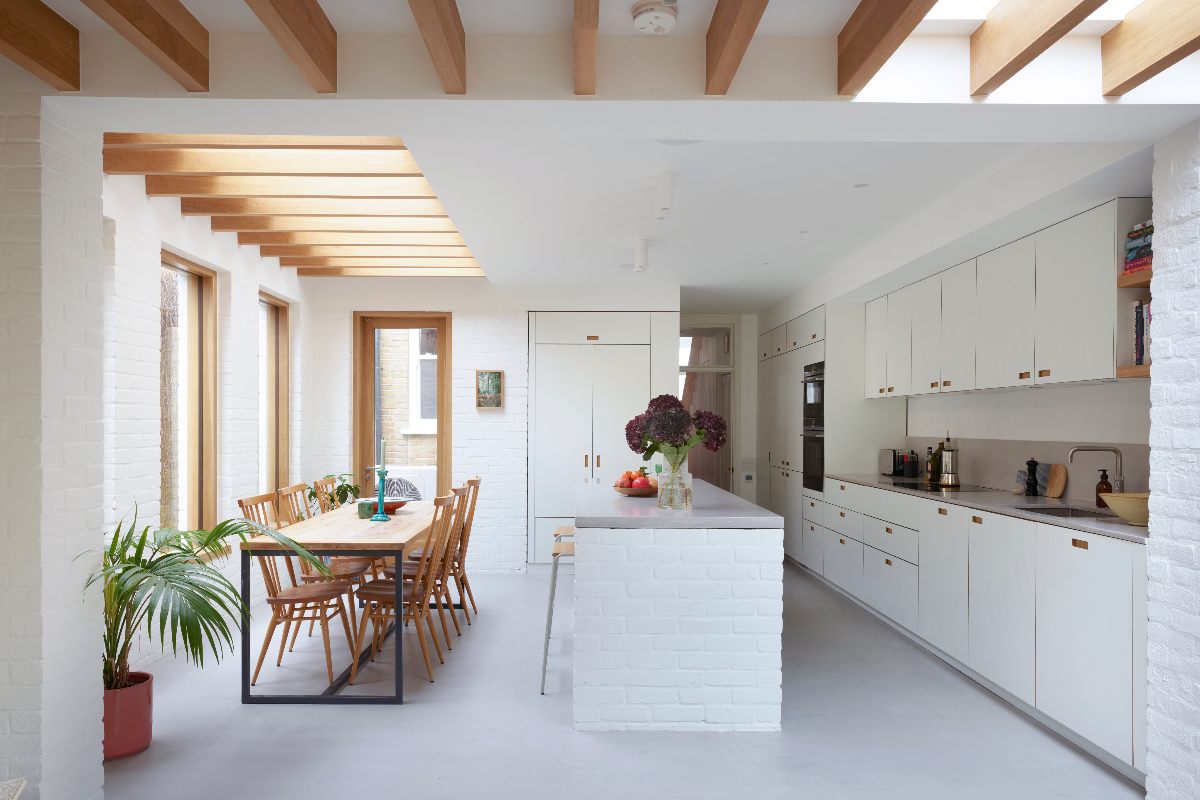
For example, to achieve well-located lighting, the placement of plug sockets requires thought from early on, should you want a cosy, atmospheric lamp or points for wall lights, says Leila. “Meanwhile, hanging art in your kitchen does not need pre-renovation planning, yet is so effective at adding that little flourish that makes a kitchen feel homely and complete,” she continues.
“Or, in a well-executed, minimalist design, the finishing touches will be the clever storage, the clean lines, the aspects of the design that enable the minimalism to succeed. The point being that finishing touches are inextricably linked to the character of the kitchen and a well-thought-through room will likely include them automatically.”
Enjoyed this post? Click here to discover the paint colours of 2026 for your new kitchen design
About Post Author