Kitchens are going soft in 2026 – picture textured timber cabinets, cocooning colour palettes, and cosy corners.
Wood layering, warm neutrals, and natural materials are just some of our kitchen trend predictions for 2026, but it seems they’ve all come together to create a comforting, utterly cosy aesthetic.
Kitchens have become the central hub where you eat, entertain, work, little ones play, and ultimately spend quality family time. Which means, they’ve slowly gone through a makeover, looking less like a kitchen and more like a relaxed living zone. “We’ve really noticed a shift towards kitchens that feel more like living spaces, rooms designed for conversation and connection as much as cooking,” says Melissa Hutley, interior designer and co-founder, Hutley & Humm.
If this sounds just like your style, let’s dive into how to get the look…
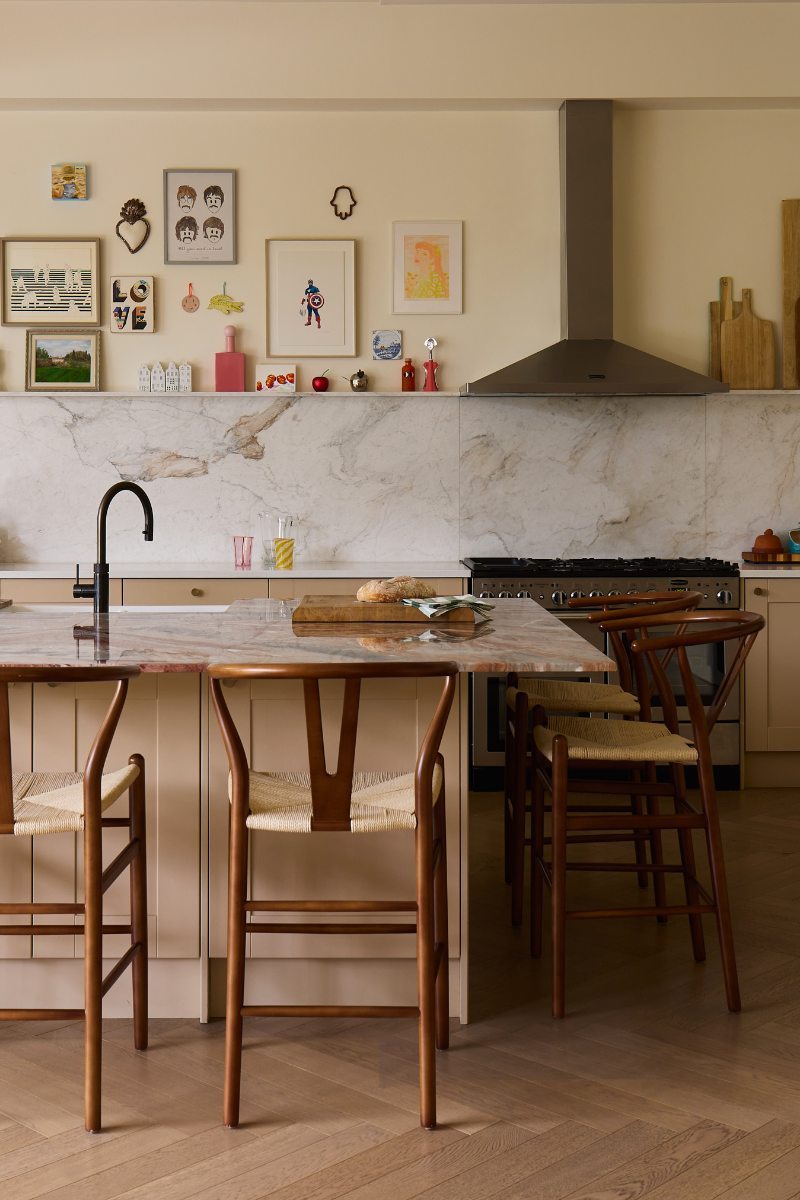
Embrace imperfection
“Cosy kitchens aren’t about perfection, they’re about comfort,” says Melissa, who’s seeing homeowners move away from high-gloss finishes and towards painted timber, open shelving, and hand-crafted tiles. “These details give a sense of character and imperfection that feels lived-in and welcoming. It’s about creating a space that tells your story, not one that looks like everyone else’s,” she adds.

For example, blending old with new is a great way of adding charm and interest to your kitchen. “A sense of history is what gives kitchens real soul,” says Melissa. “We love mixing antique or vintage pieces with contemporary cabinetry, whether it’s a reclaimed farmhouse table, vintage light fitting or rustic artwork.”
So, embrace imperfection in all its beauty. Think terracotta flooring, hammered copper pots and pans, artisan ceramics on open shelves, and tactile wall plaster.
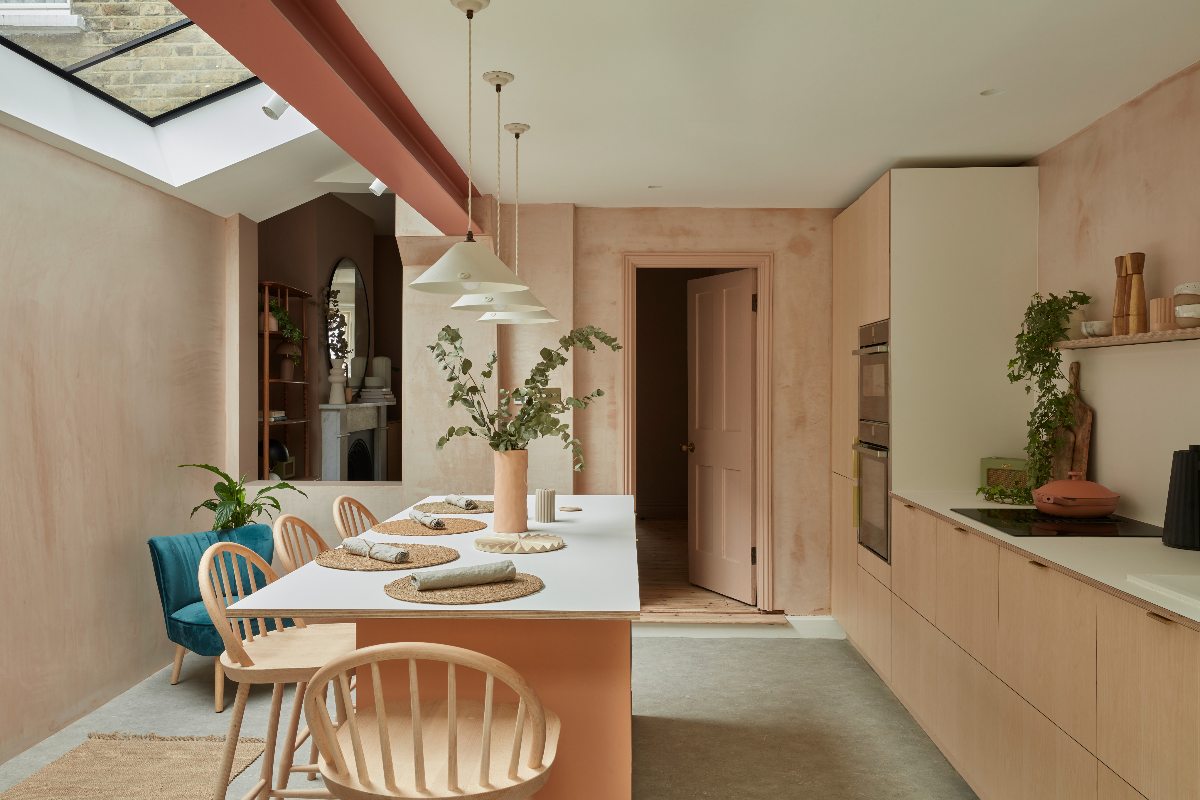
Cocooning colours
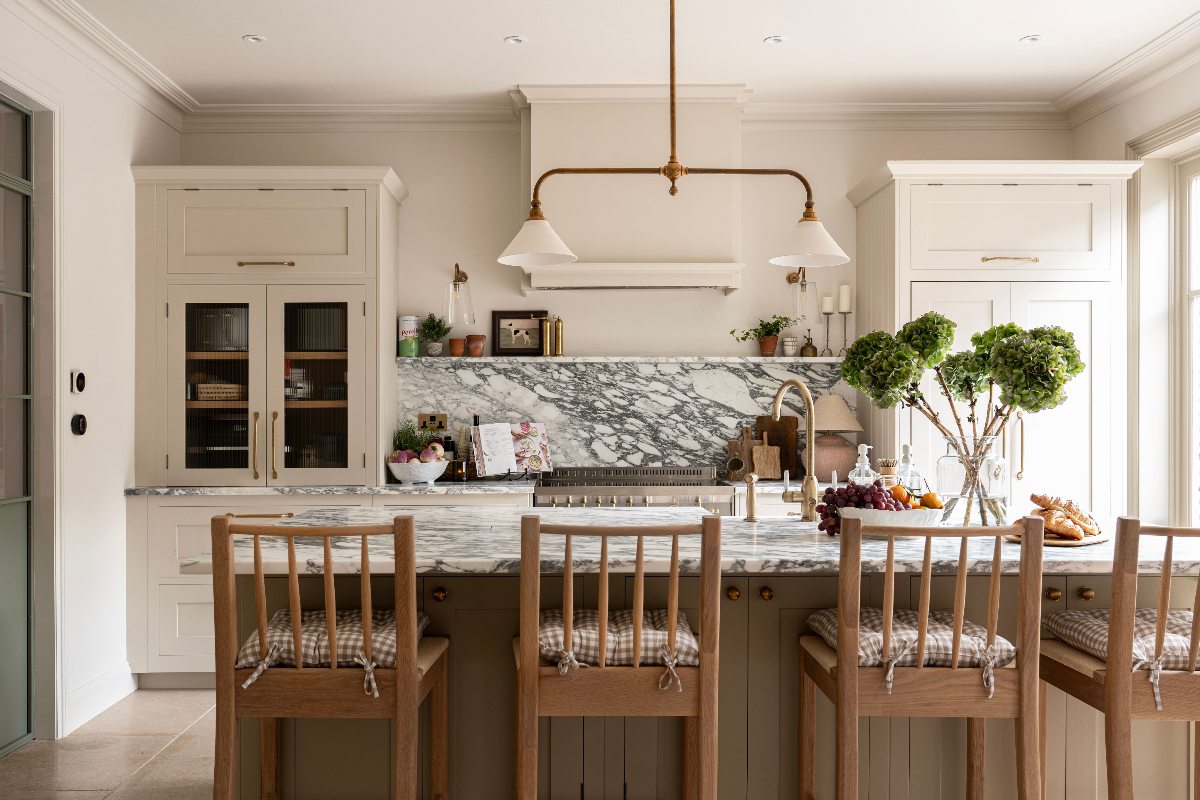
Speaking of wall coverings, Carina Raymond, interior designer and founder at Studio Raymond Interiors, says there’s a clear shift towards warmer, enveloping tones in kitchen design, such as soft clays, chalky taupes, buttery creams, and plaster pinks. “These colours bring a sense of calm and connection to the rest of the home, especially when paired with natural textures like oak, marble, and aged brass,” she advises.
The colour-drenching technique (where you choose a single shade for cabinets, walls, and floors) is still very much popular and offers a cohesive, timeless look, says Carina. “Modern kitchens have been so sleek for so long, but people are craving softness again,” she adds.
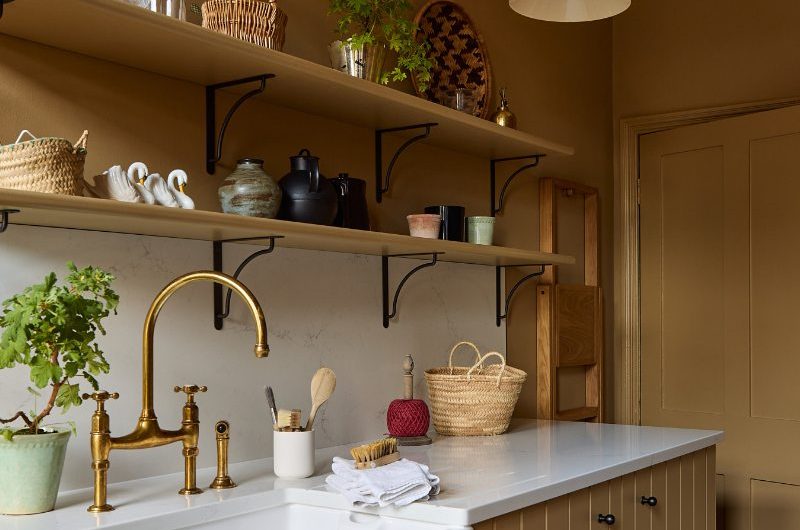
Natural materials
When it comes to materials, go natural. “Timber, either stained or naturally finished, such as Elm, Ash and European Oak, is increasingly popular, and combined with natural stone gives an organic feel,” says Lizzie Spinks, head of design at Makers.
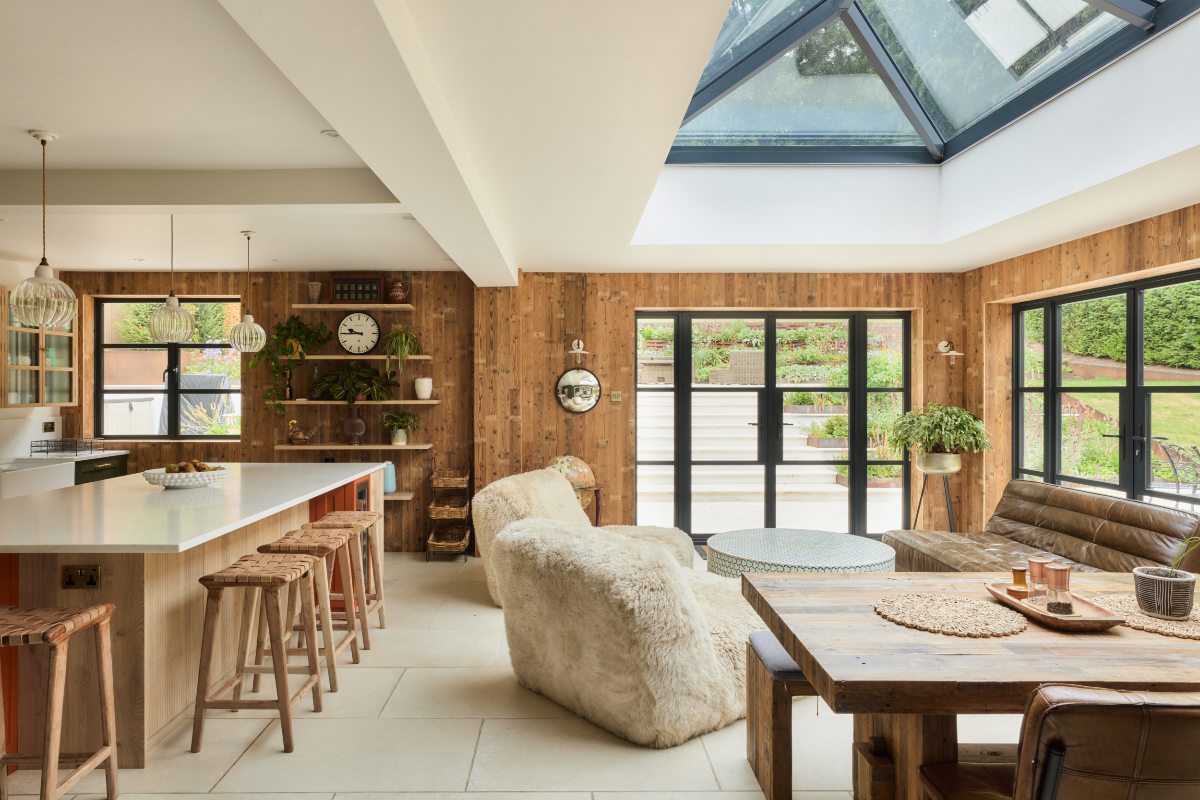
Meanwhile, Alex Main, director at Main, says these natural materials play an important role in bridging the gap between the kitchen and living room. “Materials such as wood, stone, linen and rattan introduce warmth, texture and a sense of authenticity and balance that softens the more functional elements of the kitchen,” he explains. “By carrying these materials across cabinetry, furniture and accessories, the kitchen begins to share the same visual language as adjoining living areas – blurring the boundaries between zones.”
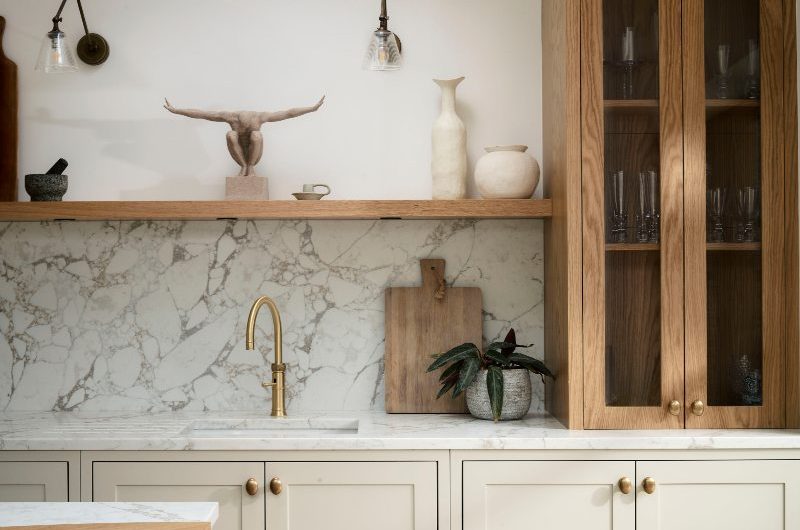
Create cosy kitchen corners
Creating a dedicated space for eating, socialising or simply relaxing, such as dining nooks with banquette seating, will instantly add warmth to your design. “Introducing relaxed seating transforms how a kitchen is used and experienced,” says Alex. “Small design elements such as an armchair in an unused corner, a built-in window seat or a compact reading nook creates inviting spots that encourage people to sit and socialise beyond cooking and eating. These informal, softer spaces adopt comfort and versatility associated with living rooms,” he advises.
Play with texture
From natural materials and fluted glass to tactile fabrics and leathered finishes, texture is key when looking to achieve a layered, lived-in scheme. “Using fluted panels on the kitchen island introduces texture and visual interest, and curved elements soften the design,” advises Lizzie.
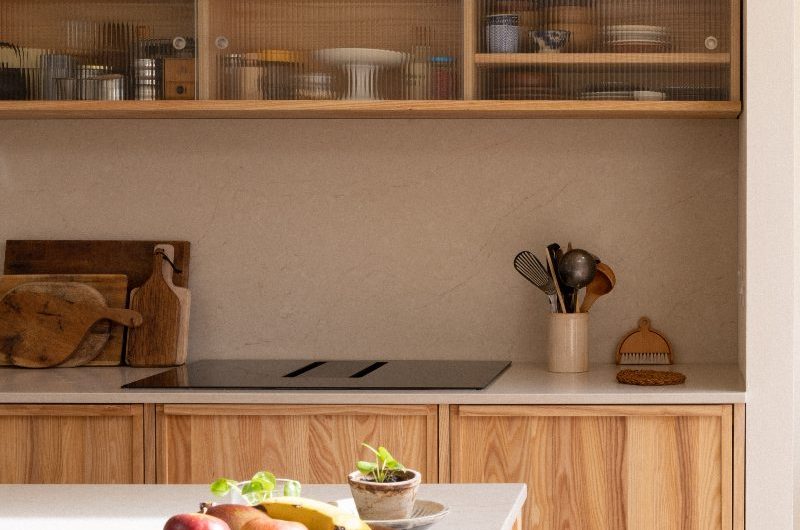
What’s more, according to Alex, textiles are one of the most effective ways to soften harder finishes in a kitchen. “Banquette seating is a great way to introduce softness into a scheme as upholstered seating naturally feels more relaxed and inviting. When layered with cushions in tactile fabrics such as linen and bouclé, it helps a kitchen feel warmer and more comfortable,” he advises.

Rugs and runners, although a bit controversial in kitchen design, will also help cosy up your space; plus, they come with practical benefits such as guarding floors from potential stains and damage. “A well-positioned rug is also a simple yet impactful addition that brings warmth and comfort underfoot while helping to subtly define zones within an open-plan layout,” adds Alex.
Kitchen lighting
Lastly, lighting is a powerful tool for creating a warm kitchen design, and Carina recommends a layered scheme with a mix of ceiling fixtures, wall lights, and softer accent lighting such as table lamps or rechargeable sconces. “It allows the kitchen to shift in mood throughout the day and feel less utilitarian, especially in open-plan layouts. Lighting should adapt to the rhythm of the day, bright and energising in the morning, softer and more ambient by evening,” she explains. And, for an easy mood shift, introduce dimmers and LED lights.
“The cosiest kitchens are the ones that feel just as inviting at 7am as they do at 7pm,” she adds, and I couldn’t agree more!
Enjoyed this post? Click here for raw, rustic interiors
About Post Author