From mixed finishes to fusion styles, the kitchen trends for 2026 encourage a creative decorating approach with layered colour palettes and materials, and oodles of character.
While we never suggest following trends for trends’ sake – a kitchen should last a lifetime, you know – we do love exploring the way design shifts and evolves over the years and discovering what people are gravitating towards.
Here, we’re bringing you the features, styles, and palettes that will be big in 2026 to help inspire your project. Read on and click through each look to discover even more ideas…
Kitchen trends for 2026:
- Wood layering
- Warm neutrals
- Fusion kitchens
- Dark kitchens
- Mixed finishes
- Green kitchens
- Skinny Shaker
- Natural materials and textures
- Hidden kitchens
Wood layering
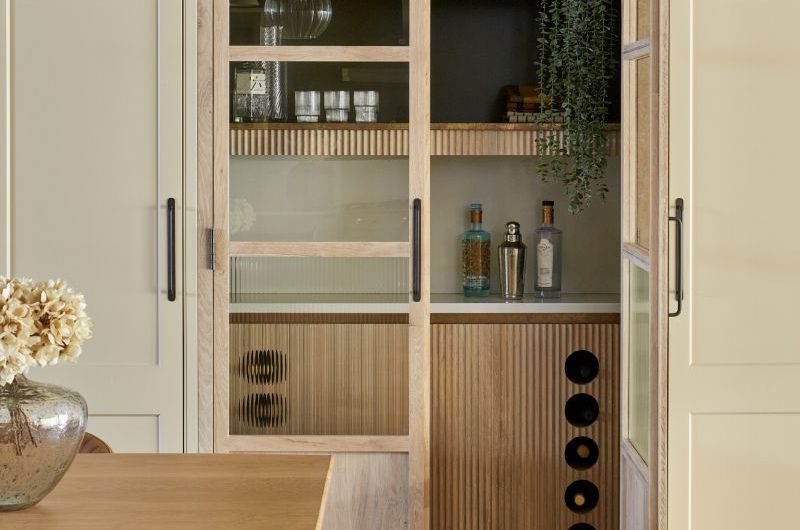
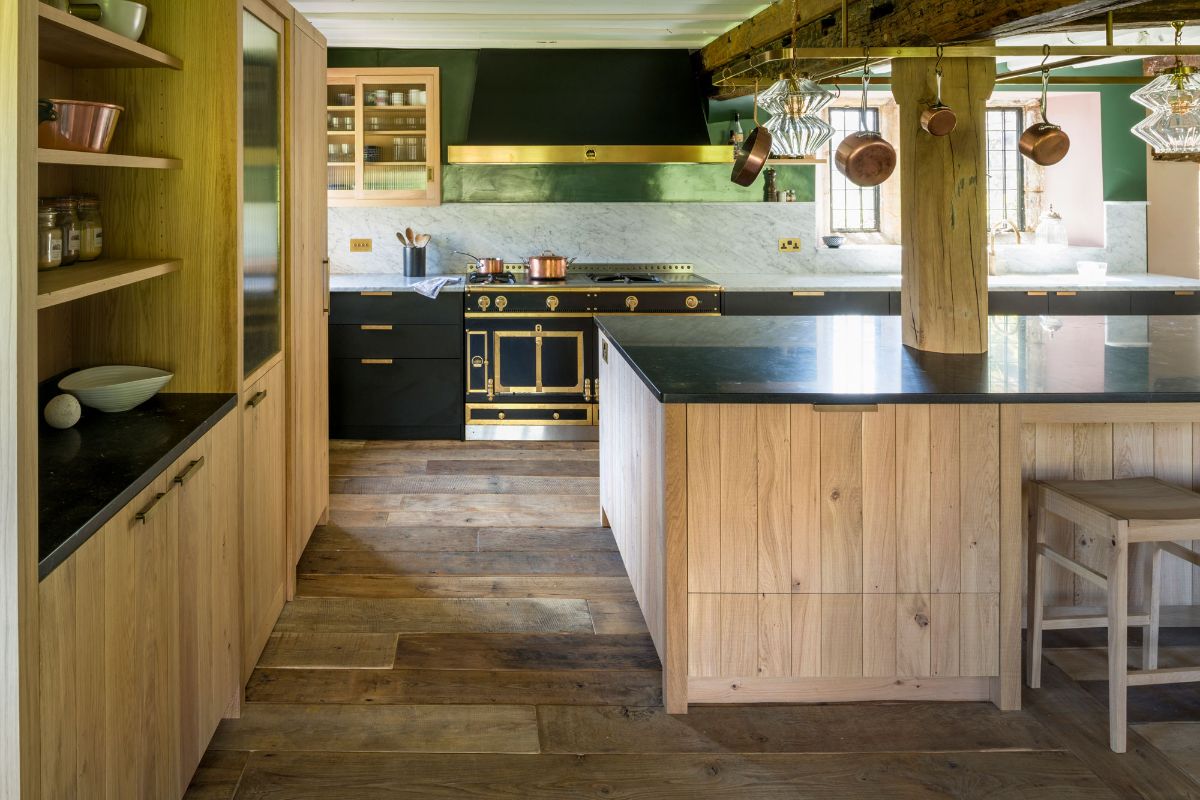
Natural or ‘naked’ wood finishes have taken over kitchens. However, the way people are using this material is shifting to something new… This year will be about decorating with wood in a much more considered and layered way – displaying different grains, colours, textures and tones side by side.
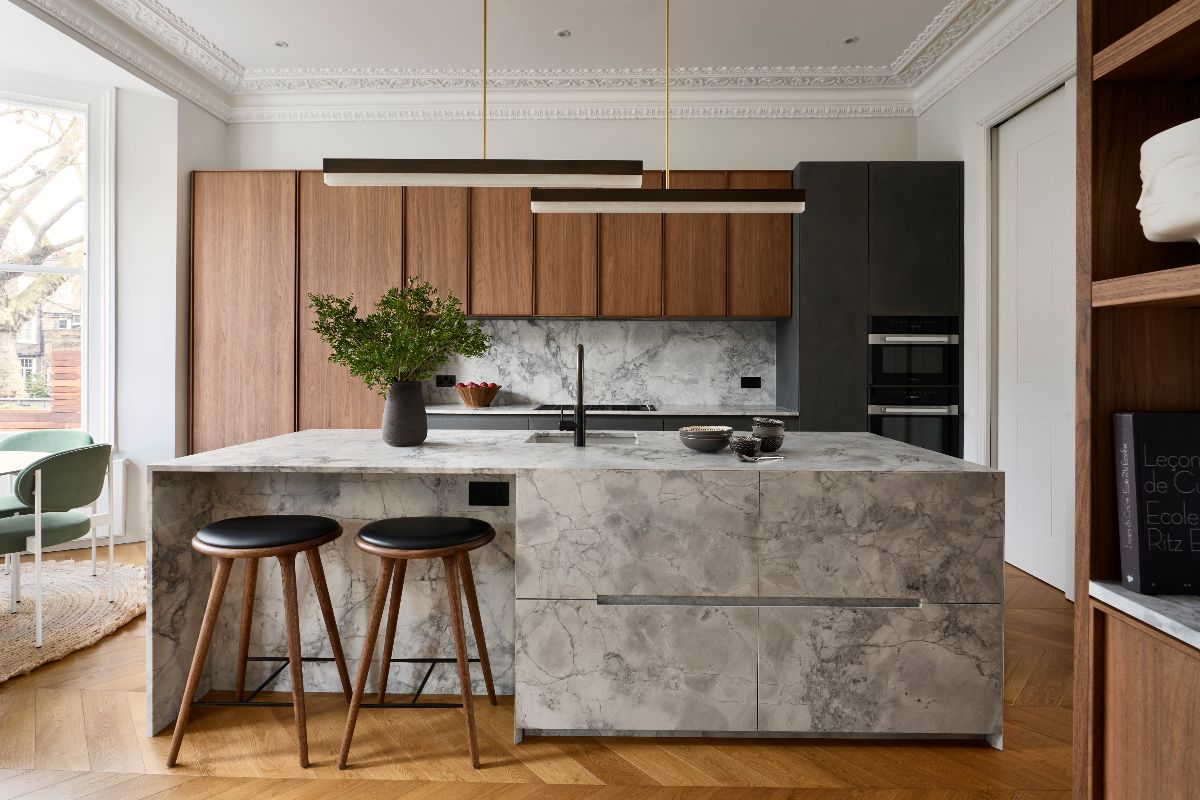
The most common way I’ve seen this is by having one style of wood on cabinetry doors, or on the back of an island, paired with a contrasting yet complementing alternative style on the floor. “Whether you opt for reclaimed wood cladding, modern wood-front cabinets, or stunning worktops – or all of the above – the warmth and enduring quality of wood will continue to rise in popularity,” says Alex Main, director at The Main Company.

Allison Lynch, senior designer at Roundhouse, agrees and says that wood and timber finishes are certainly high on many homeowners’ wishlists, paired with interesting textures and natural grain details. “These materials bring warmth, depth, and a sense of craftsmanship to contemporary kitchens, creating a beautiful contrast against sleek surfaces or stone worktops,” she adds.
Warm neutrals
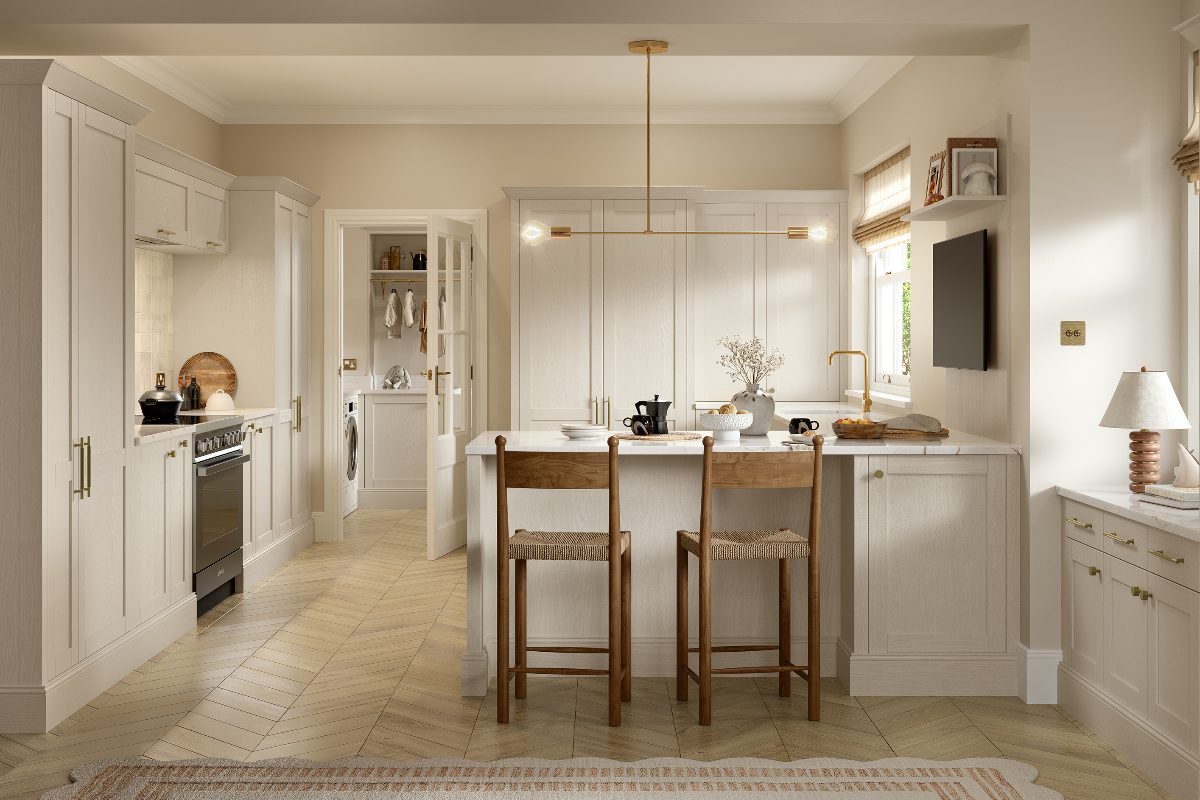
Last year, I predicted that off-whites would be a big kitchen trend; and for 2026 this is still the case. However, it’s morphed into warm neutrals – darker, richer, more sumptuous. Instead of egg shell or ivory, picture tones of putty, flint, mushroom, stone, oatmeal, and warm taupe. “These shades offer a timeless foundation that complements oak, walnut, stainless steel, travertine, and porcelain equally well. Their understated warmth ensures longevity,” says Richard Davonport, managing director at Davonport.
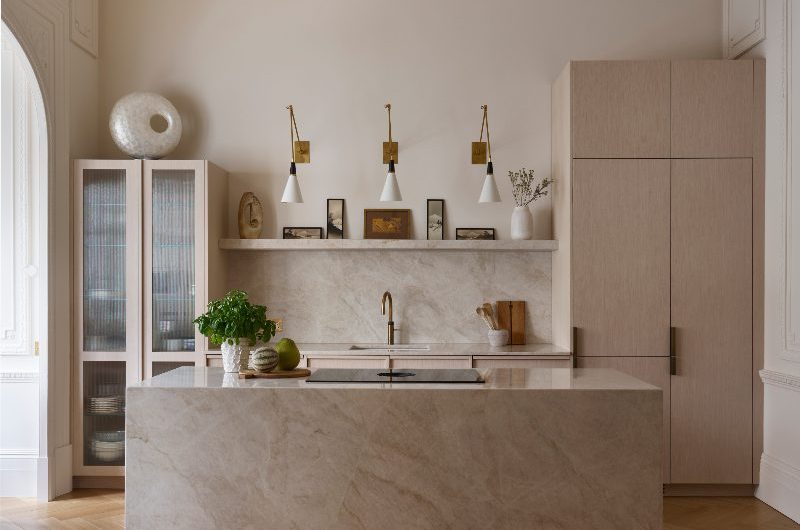
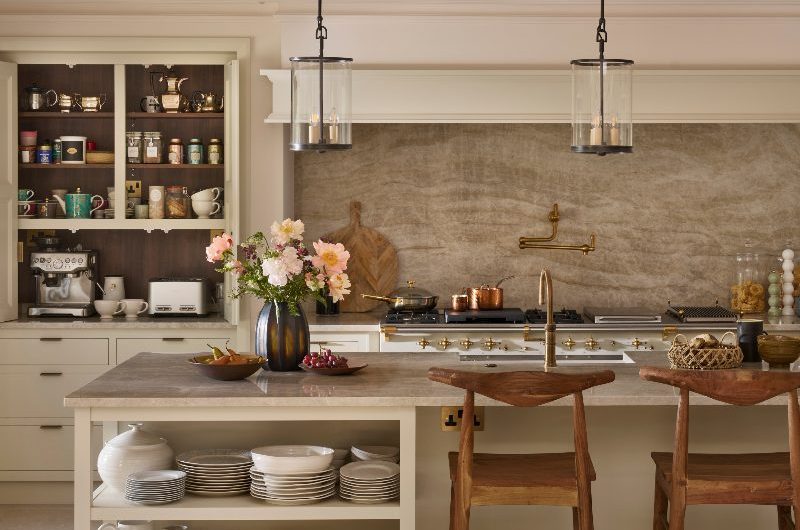
And Isabel Fernandez, director at Quorn Stone, agrees. “In 2026, we’ll see a move towards warm neutrals, earthy terracotta hues, and glazed finishes that bring depth and character to the home. It marks a gentle shift away from cool minimalism, embracing a more natural, grounded aesthetic,” she says. John Stephens, managing director at Rencraft, anticipates these restrained colour schemes, too, plus he suggests that techniques like colour washing will become more popular, “creating calm backgrounds that showcase rather than compete with statement elements”.
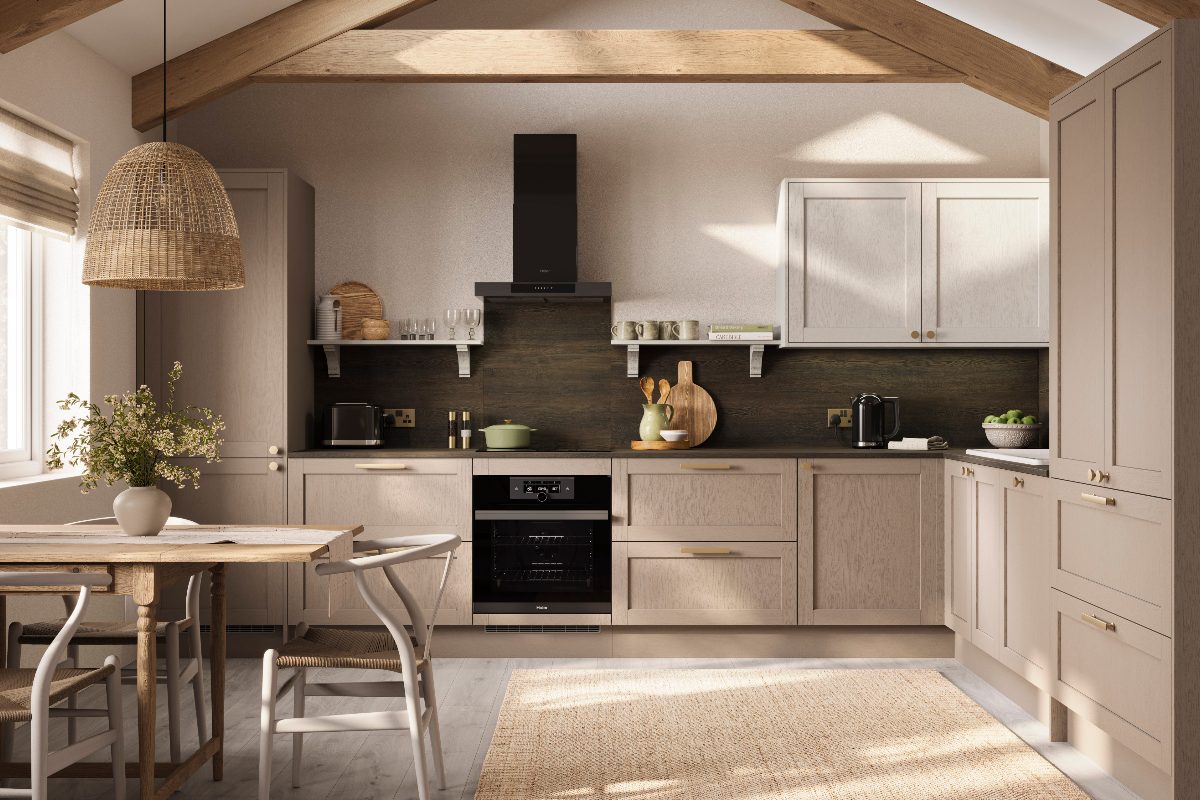
Finally, Leah Archer, marketing executive at Uform, also believes that 2026 is shaping up to be ‘a year of warmth and nature’ in kitchen design. “There’s a clear shift towards natural tones like rich stains, earthy browns, and soft neutral beiges, all complemented by the continued popularity of green hues, bringing a fresh, organic feel to the kitchen,” she says.
Fusion kitchens
Perhaps not a trend, but more of a movement in 2026: people have been turning away from stereotypical kitchen styles. The ‘non-kitchen kitchen’ has increased in popularity every year I’ve worked at KBB. But this feels different somehow. People aren’t necessarily trying to make their kitchen not look like a kitchen anymore, but they’re taking the best bits of certain aesthetics – industrial, contemporary, classic, mid-century, country-inspired – and blending them together into a space that truly resonates with their own personal style.
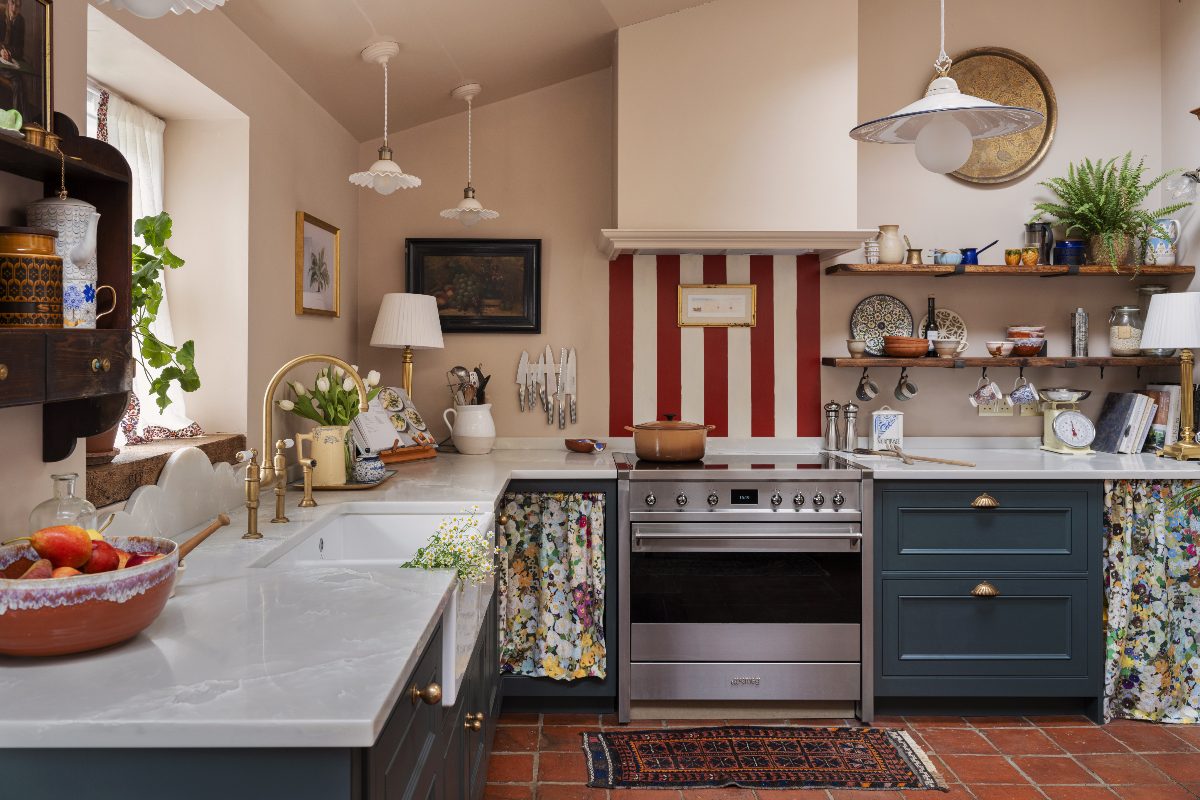
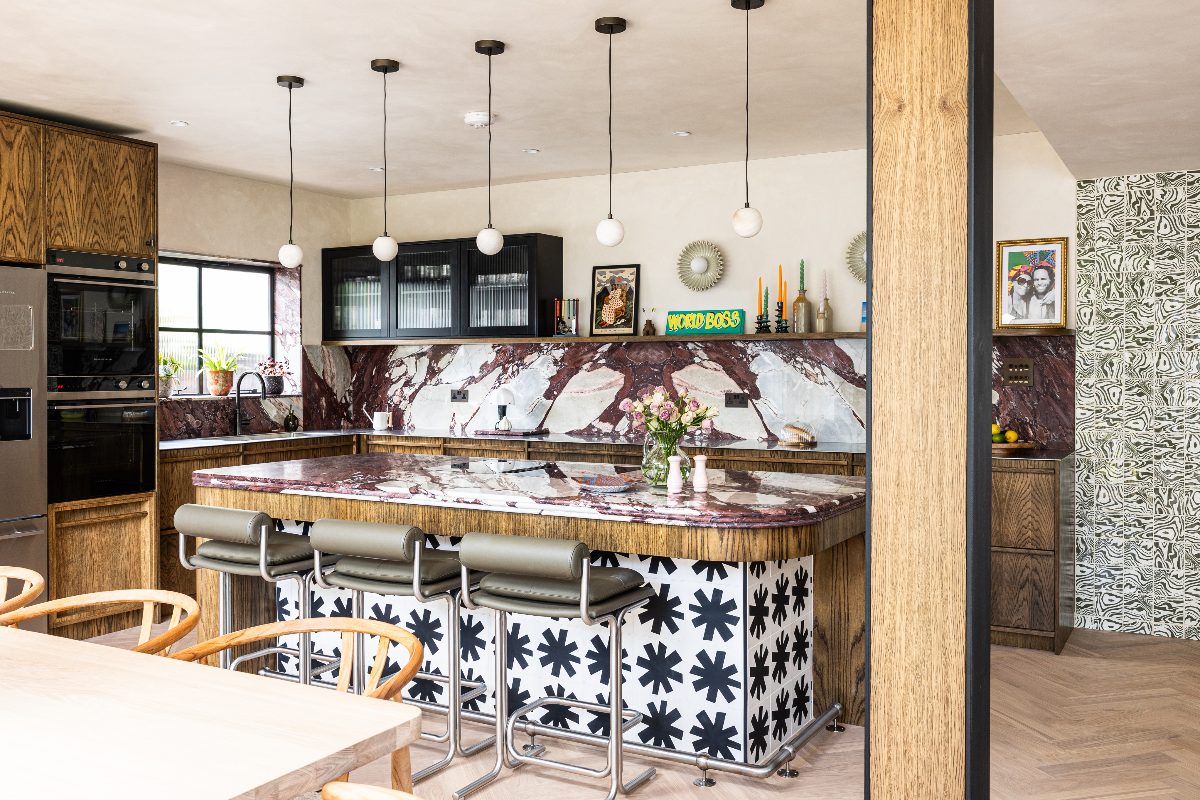
Natalie Fry, creative director at Grid Thirteen Design Studio, seems to agree with me. “Blended-style kitchen design continues to be on the rise, as it gives homeowners the freedom to commission a luxury kitchen that harmoniously mixes contrasting styles while remaining functional, elevated, and deeply personal,” she says.
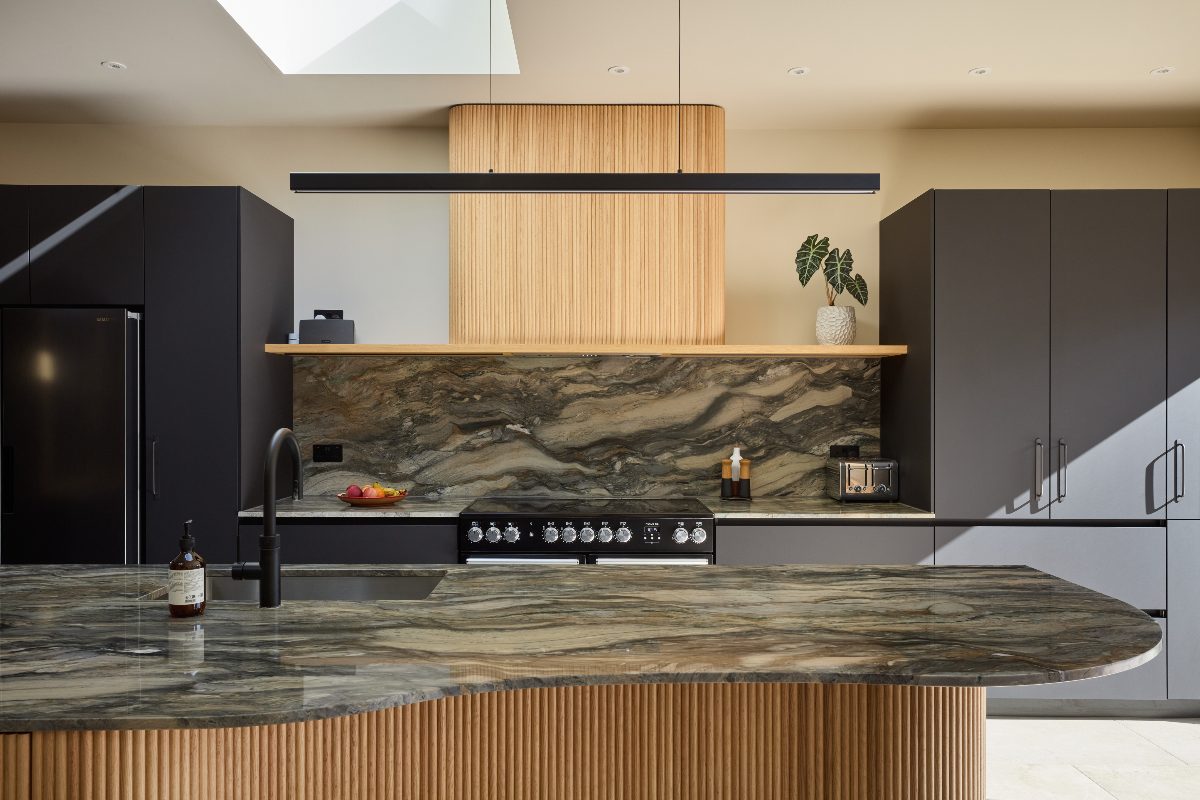
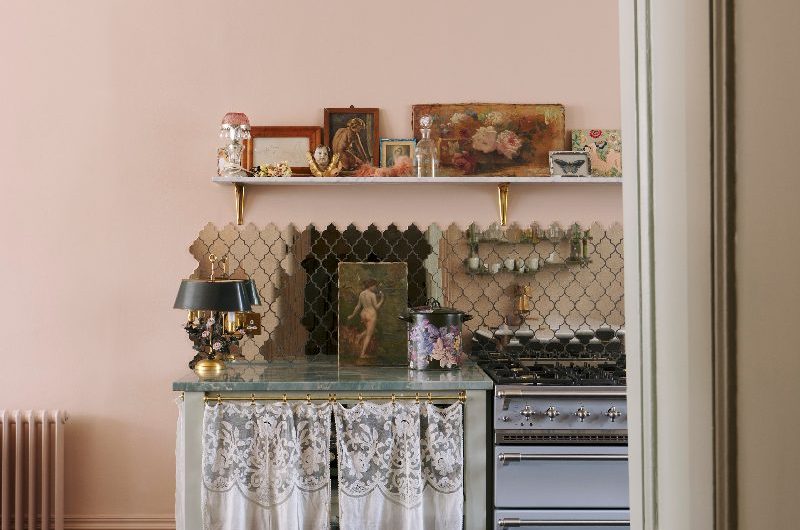
Helen Parker, creative director of Devol, has also seen this, and adds, “I am seeing and loving kitchens that have a bit more personality – fusion kitchens that blend classic and contemporary styles and create spaces where new and old can coexist in harmony are increasing in popularity. The appeal lies in the personalisation, building a kitchen around favourite pieces or heirlooms, and the specific needs of the household rather than a generic template.
“For example, a fluted fireclay sink paired with an industrial-inspired unlacquered brass tap is a popular choice for fusion kitchens, offering an unpretentious take on tradition and matching Victorian design with 21st century engineering. This look is taking over from a brand new kitchen; it’s a way of mixing old and new and making your space interesting, exciting, and different.”
Dark kitchens
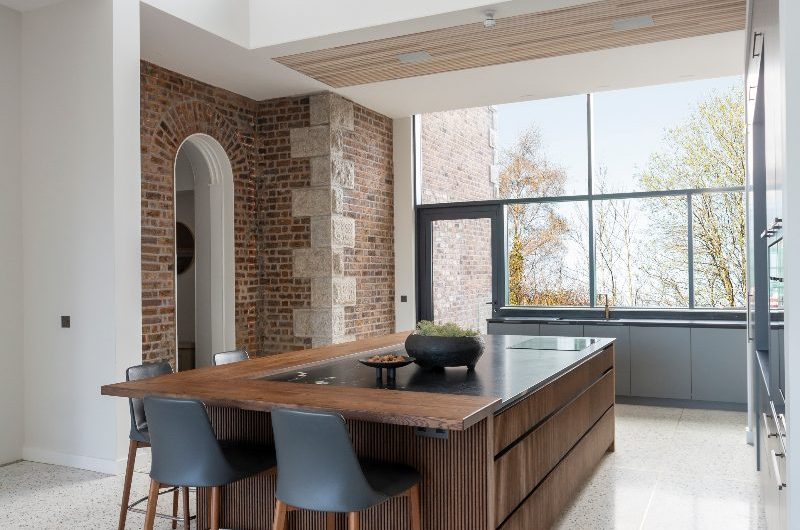
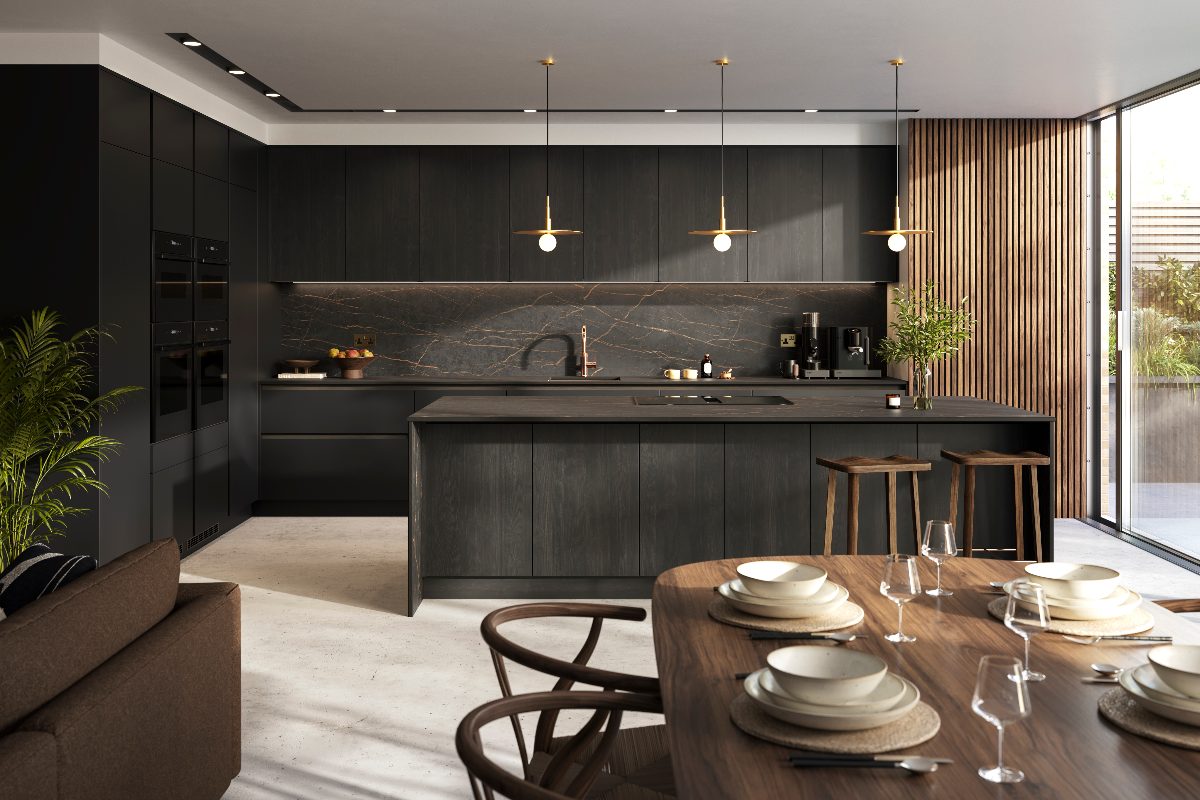
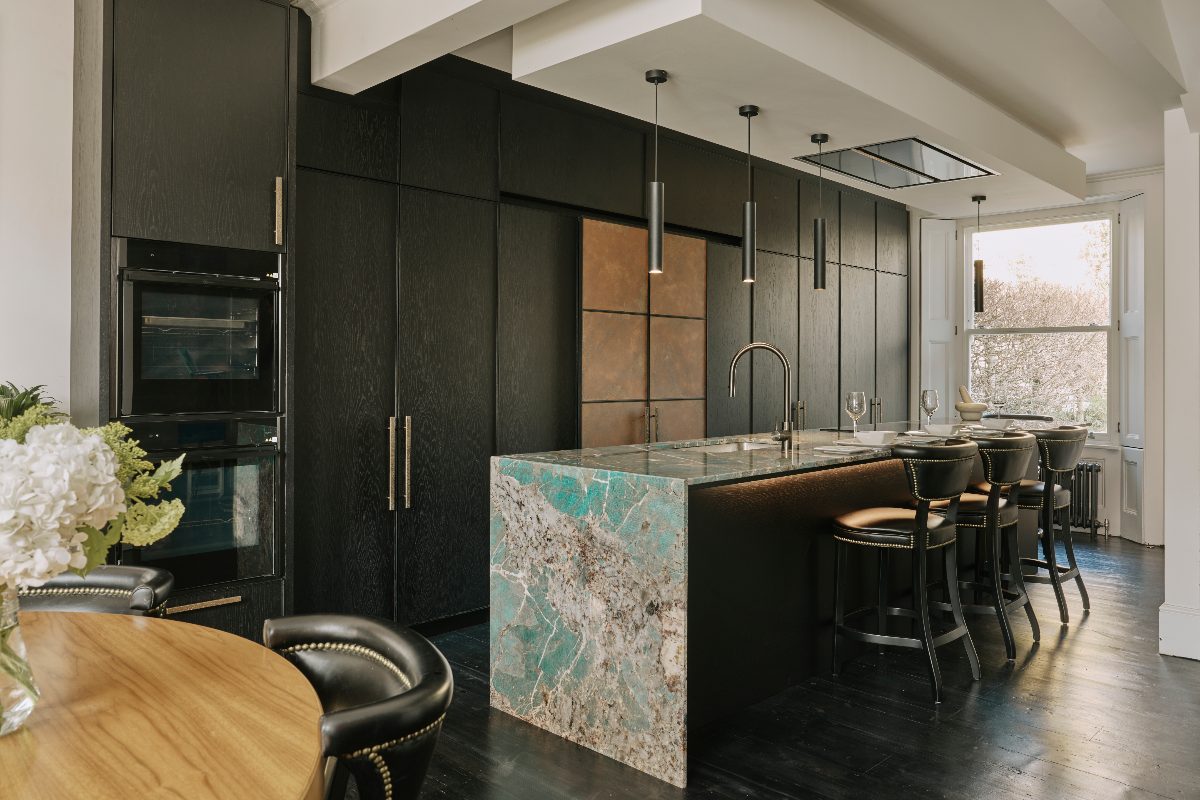
I admit I hadn’t seen this one coming. Last year, the kitchen colour palette was all about the rich reds and seductive deep purples, but perhaps this phenomenon has shifted to even moodier and edgy spaces. “Dark colours are very much here to stay, especially when layered with mixed materials and rich textures,” says Allison. “With matt finishes, wood grains, and soft lighting adding depth and character, you can easily create a space that feels sophisticated yet inviting.”
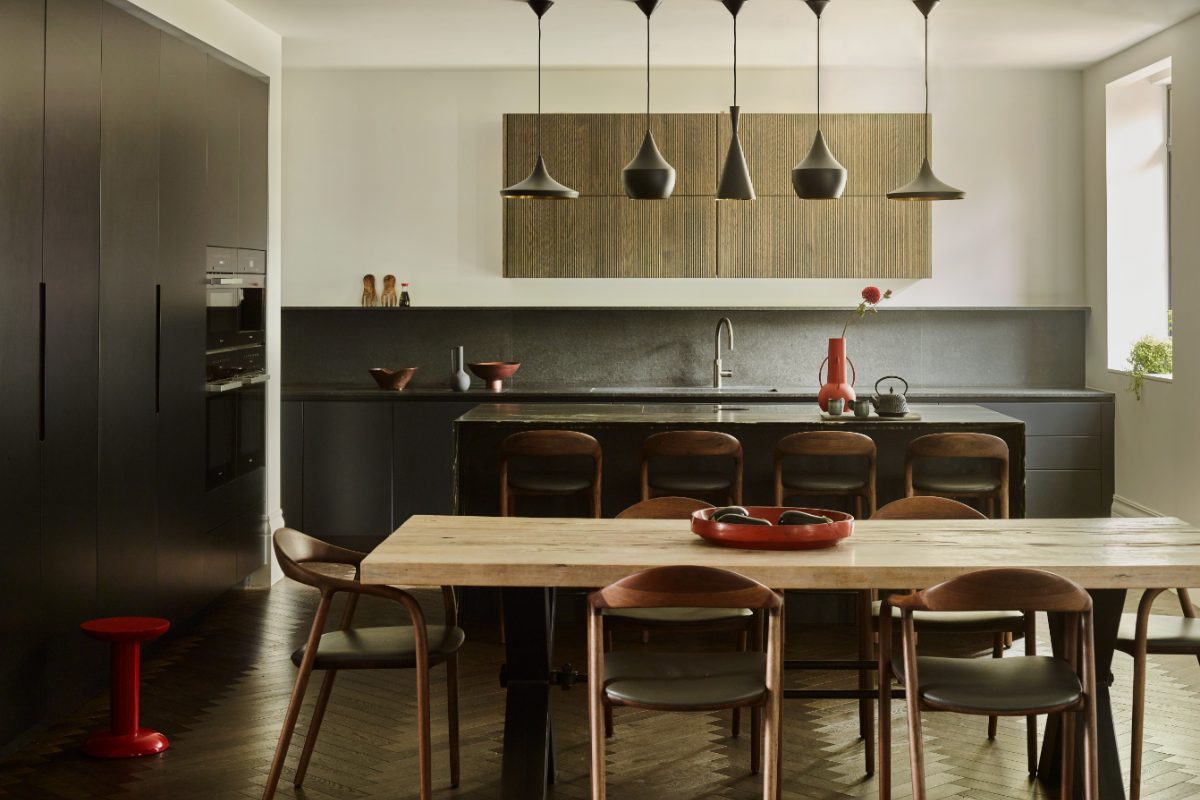
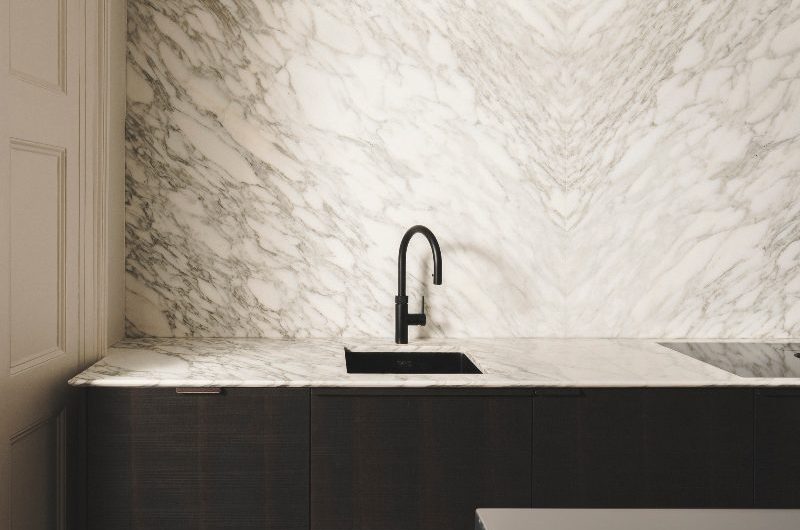
Cassie Jones, brand manager at Masterclass Kitchens, agrees, and says, “The enduring appeal of dark kitchens shows no sign of slowing. Black was our second most popular painted Shaker finish in 2025, a testament to its timeless sophistication. Whether styled with warm neutrals, contrasting wood grains or a bold pop of colour, dark kitchens exude confidence and create a premium, design-led statement.”
Mixed finishes
One of the biggest trends Blakes London is seeing for 2026 is mixing different colours and materials on kitchen cabinetry fronts. “It’s becoming very popular to combine stained timber with painted units, or pair traditional panelled doors on one wall with sleek, flat-fronted cabinets on another. This adds depth and personality to a kitchen scheme,” says Amy Hicks, lead designer at Blakes London.
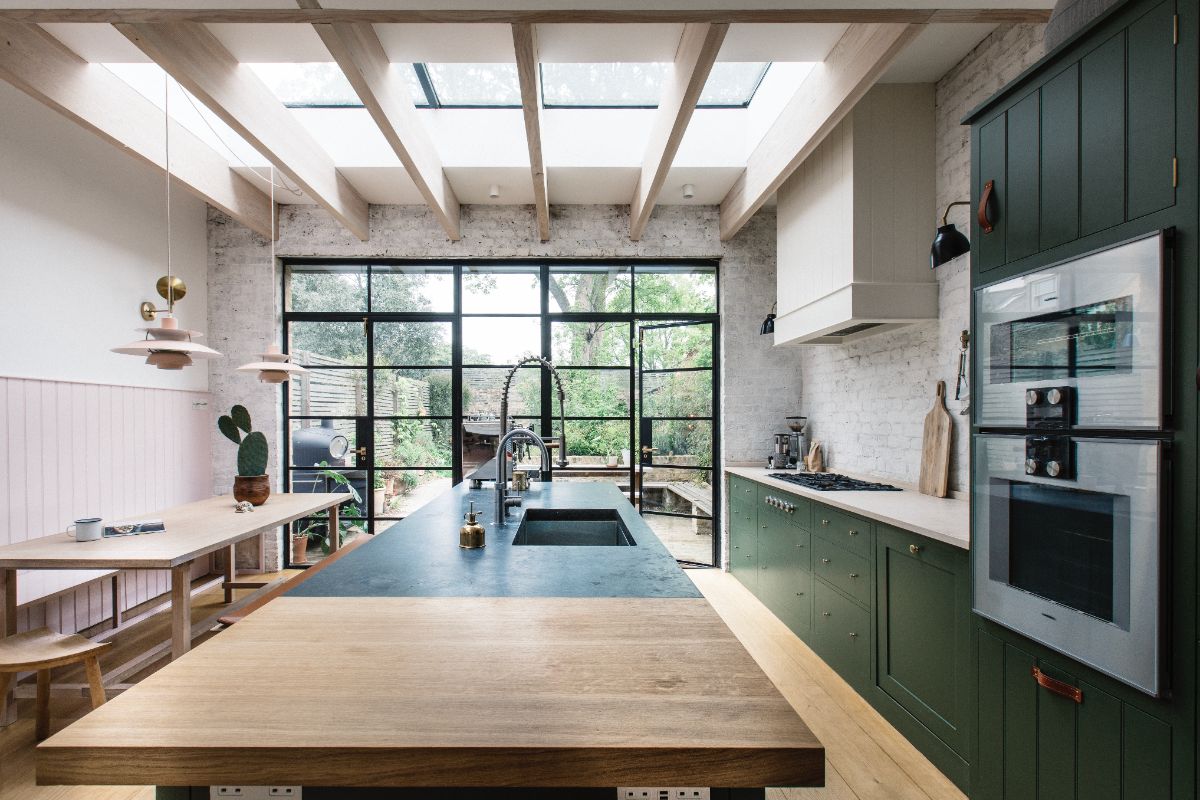
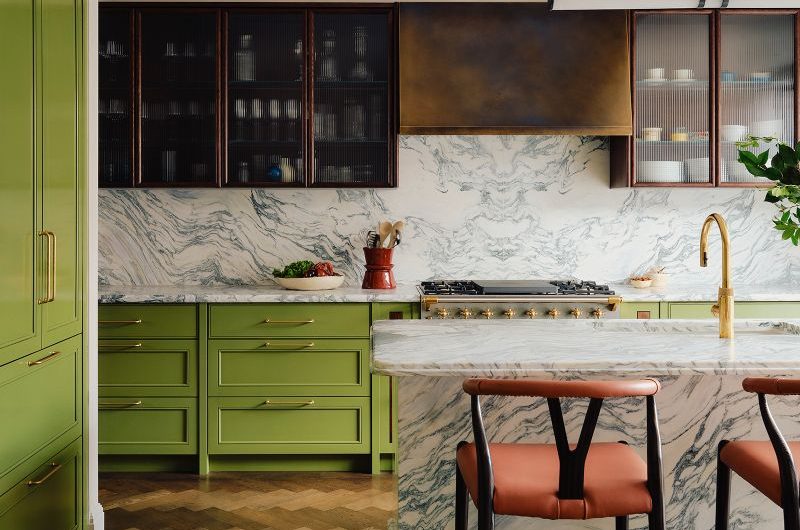
Designers are also playing with different work surfaces within the same kitchen, she claims. For example, marble on an island paired with granite or a man-made surface elsewhere. “On top of that, mixing metals such as brushed brass, gold, or black iron for handles, taps, and lighting is increasingly fashionable,” adds Amy.
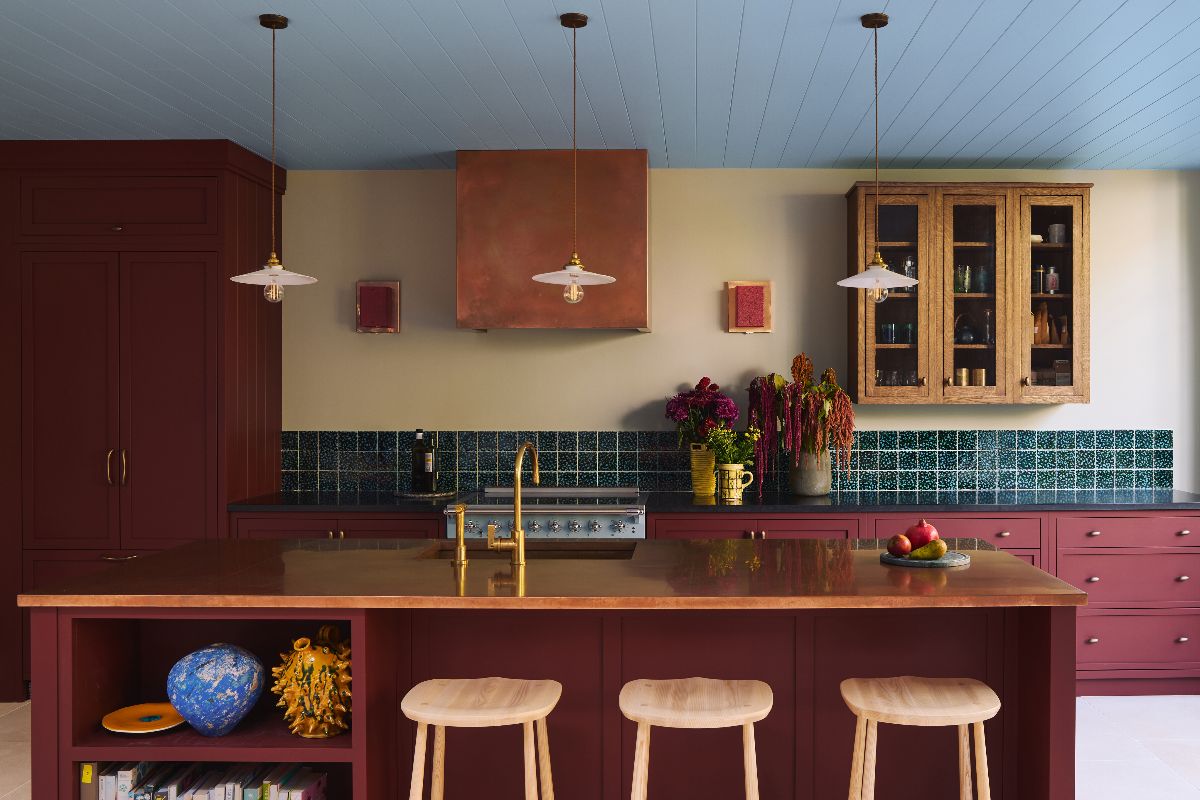
Kate Palmer, creative director at The Painted Furniture Company, has also noticed this move towards mixing materials and textures. “You could choose a bold colour to make a statement or opt for a piece with natural wicker or rattan baskets to introduce texture. It creates an eye-catching look while also bringing warmth into the kitchen.”
Green kitchens
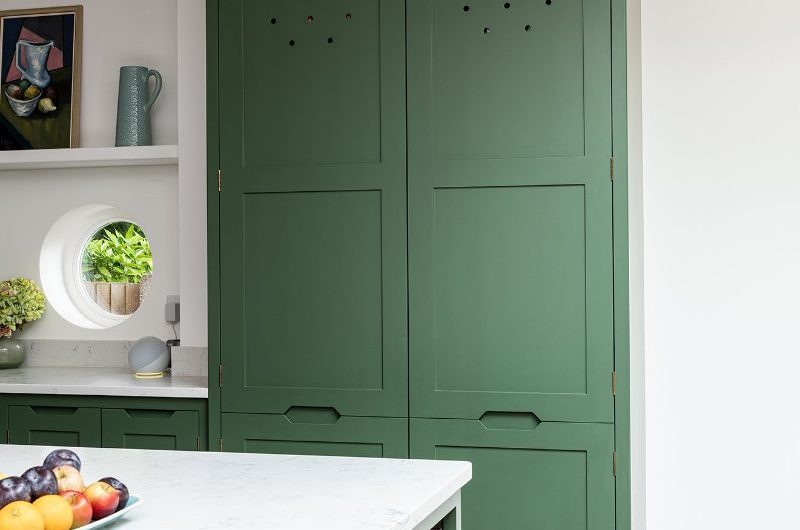
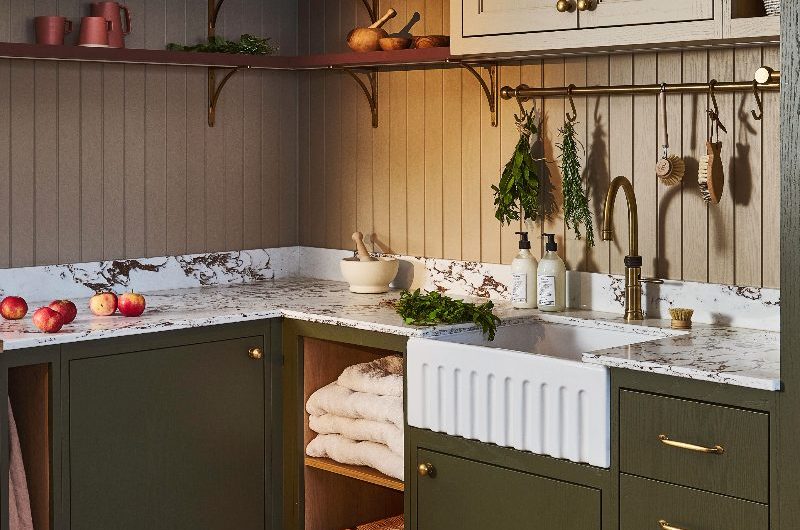
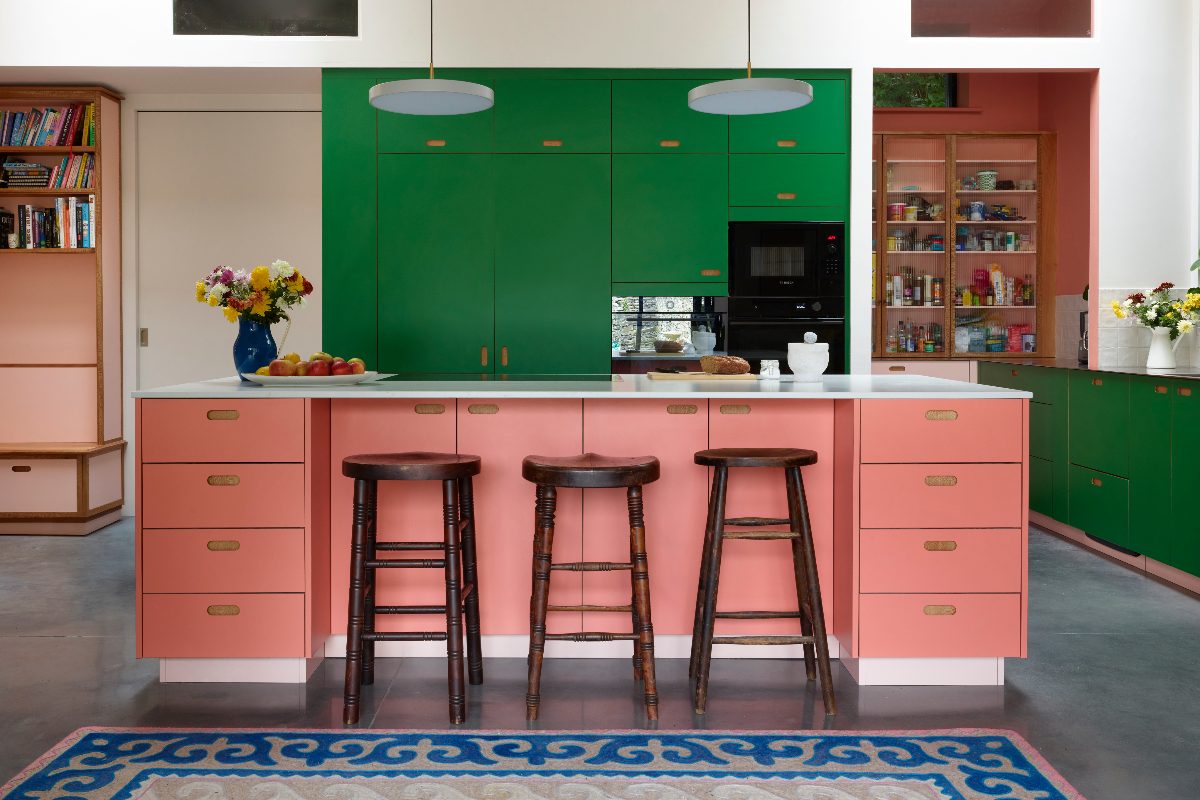
Back in 2024, I wrote a feature on how green was the shade for kitchens. And it seems like there’s no foreseeable end to the appeal of this grounding, calming, and versatile colour to use in both classic and contemporary kitchens. Steve Collinson, director at Ella Austin Kitchens, can’t see it going away, either. “We are still designing and selling a lot more greens than any other colour by far. So, I can’t see that changing for a while,” he says. And there are so many types of greens and different possibilities in using it.
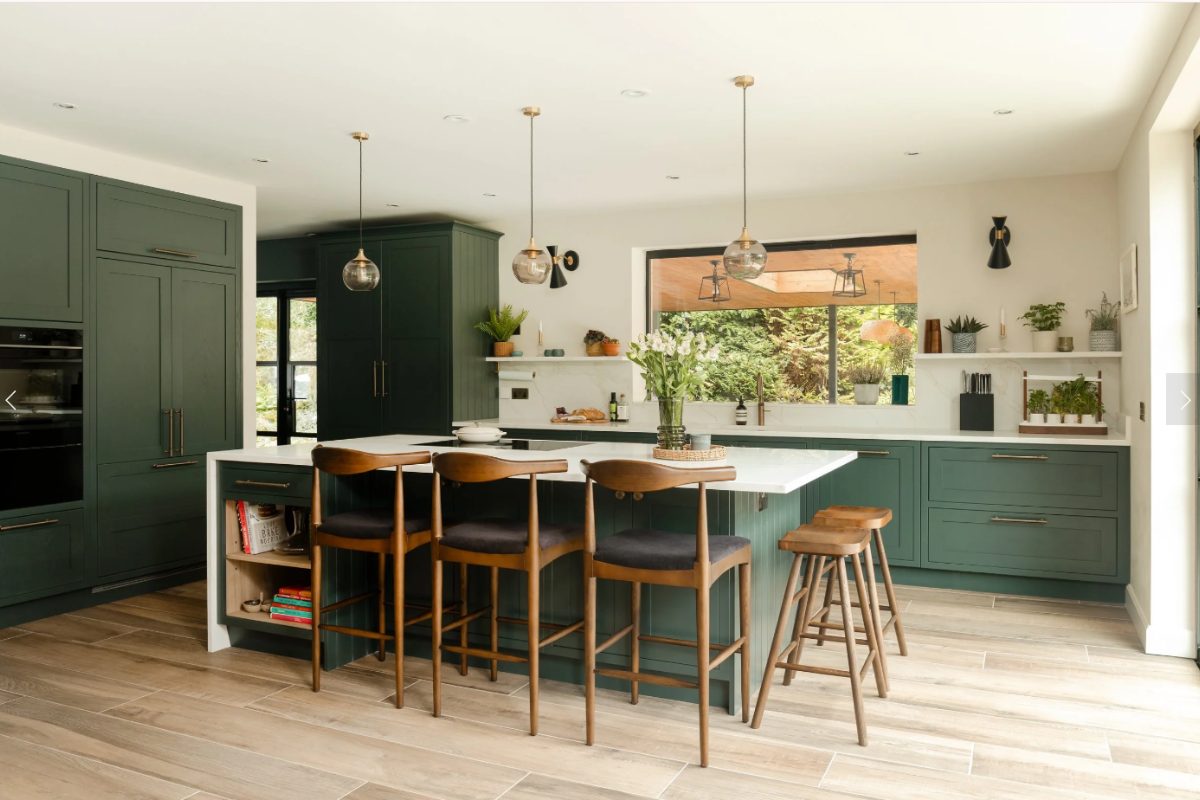
Apron founder Patrick Boxell says, “Rather than dominating the space, we’re seeing green balanced with lighter tones and wood for a serene feel,” while Leila Touwen, Pluck co-founder, says she thinks “a fresh, leafy green, whether used as accents or as a hero colour, will replace the more muted, so sagey greens that have been so popular for years now. It’s a green that feels like a walk outside, like looking at moss or bracken in summer, so evocative of life and nature.”
Skinny Shaker
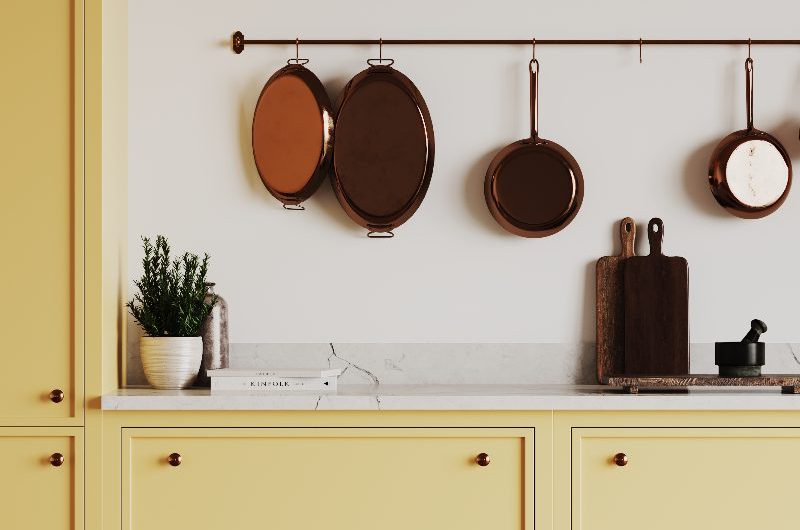
The micro-Shaker cabinetry style continues to accelerate, according to the experts. “This evolution of the classic framed door refines the proportions to achieve a cleaner, more architectural line,” says Richard. “Its versatility allows it to sit comfortably in both traditional and contemporary settings, offering balance and restraint.”
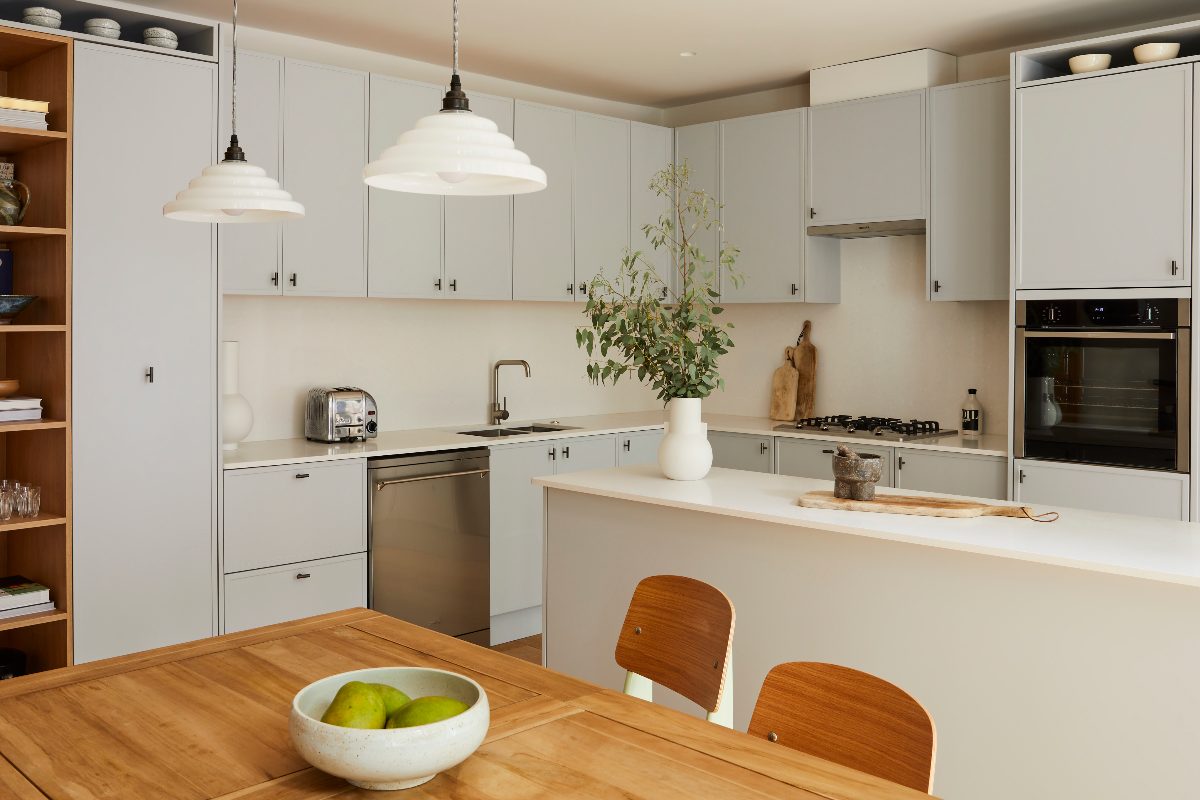
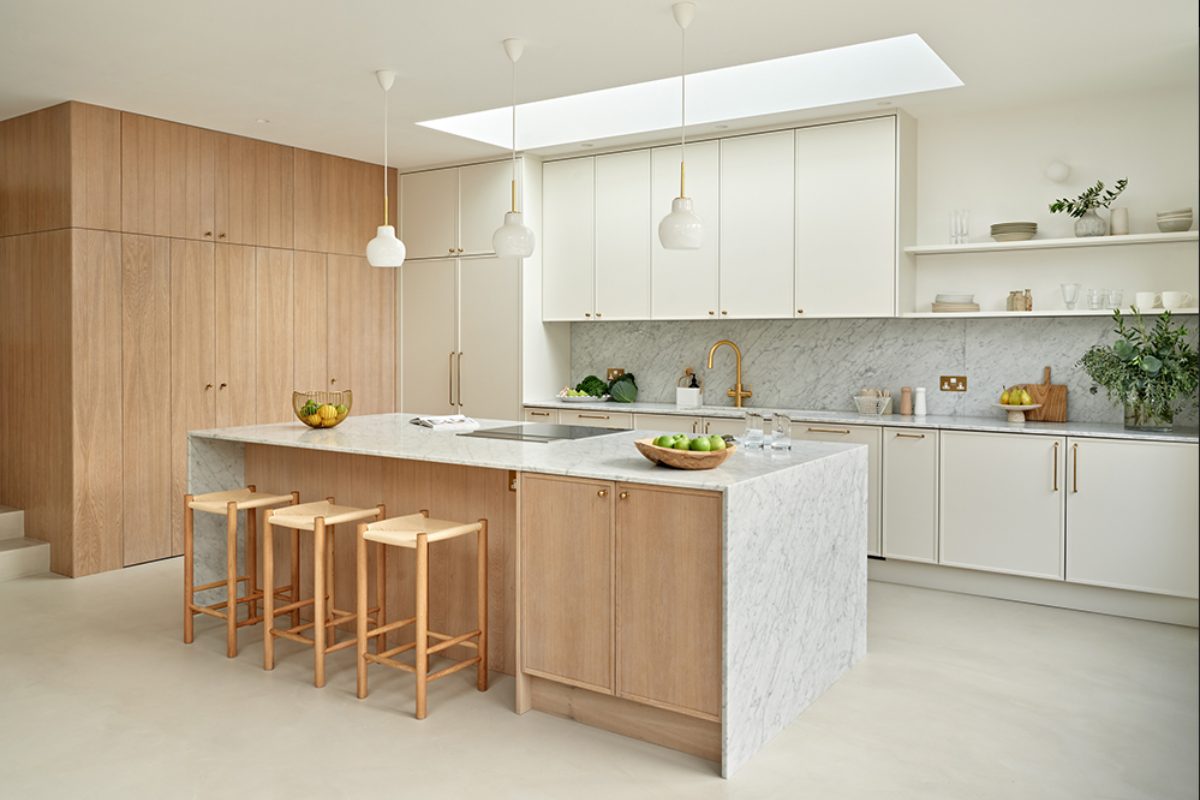
Al Bruce, founder of Olive & Barr, agrees, and adds, “The rise of slim Shaker cabinetry has been a notable budding trend, reflecting the shift towards understated luxury in kitchen design. This growing movement highlights a desire for simplicity, elegance, and functionality in equal measure. This new evolution also reflects the broader shift in how we define luxury – less about opulence, more about thoughtful detail and enduring quality. The clean lines and exceptional craftsmanship create a kitchen aesthetic that feels both fresh and timeless.”
Natural materials and textures
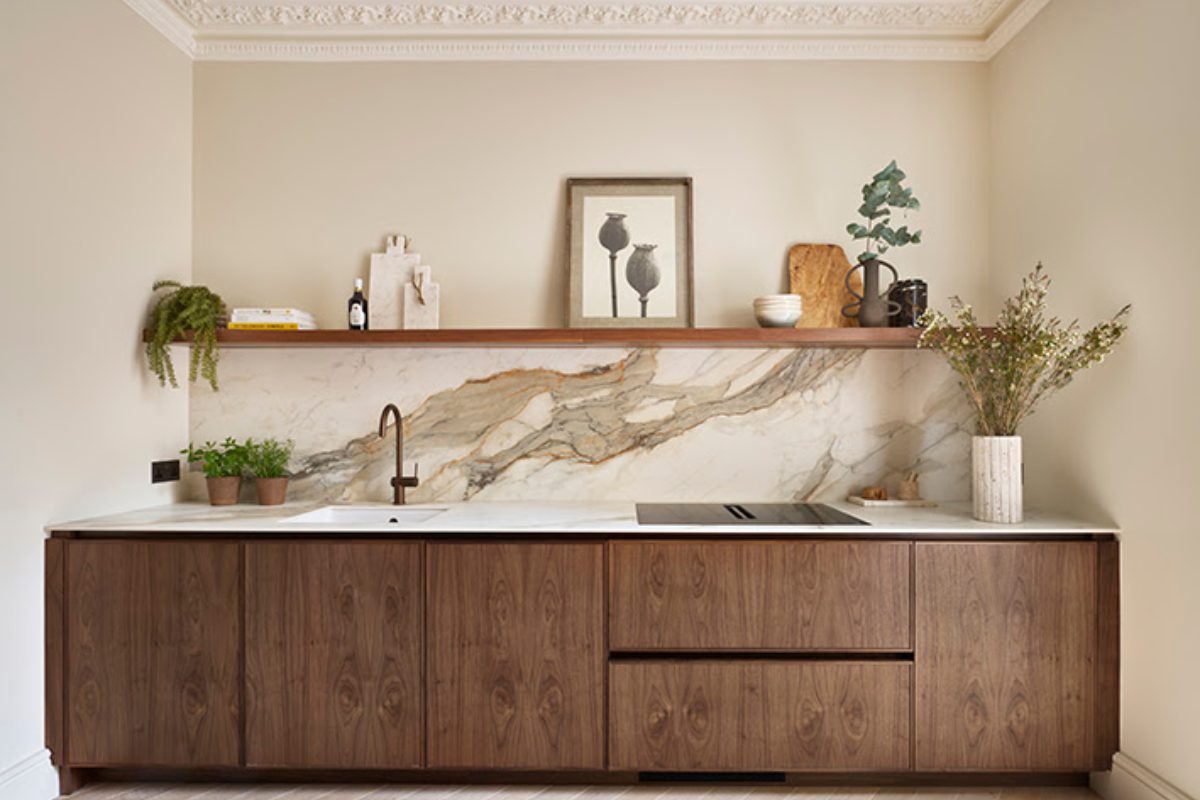
This year, texture is becoming as important as colour, it seems. “There’s a growing desire for authenticity and calm, with materials such as warm wood, honed stone, and limewash-style finishes creating depth and softness,” says Sofia Bune Strandh, CEO of Sola Kitchens.
Georgina Thorpe, designer at Krantz Designs, concurs, and says, “One of the strongest movements we’re seeing is the desire for authentic texture. Homeowners are choosing materials that feel tactile and honest – natural stone with movement, timber with visible grain, fluted glass, and layered metalwork – moving away from impersonal, generic looks.”
Alex adds, “Fluted and reeded detailing was popular this year and we don’t see it slowing down into 2026. From wall panelling to cabinetry, it looks stunning in both wood and glass. Adding depth and dimension to kitchens, it’s incredibly versatile and therefore works in any setting, whether you opt for reeded glass-front cabinets in a country kitchen or a tactile panel for a modern island.”
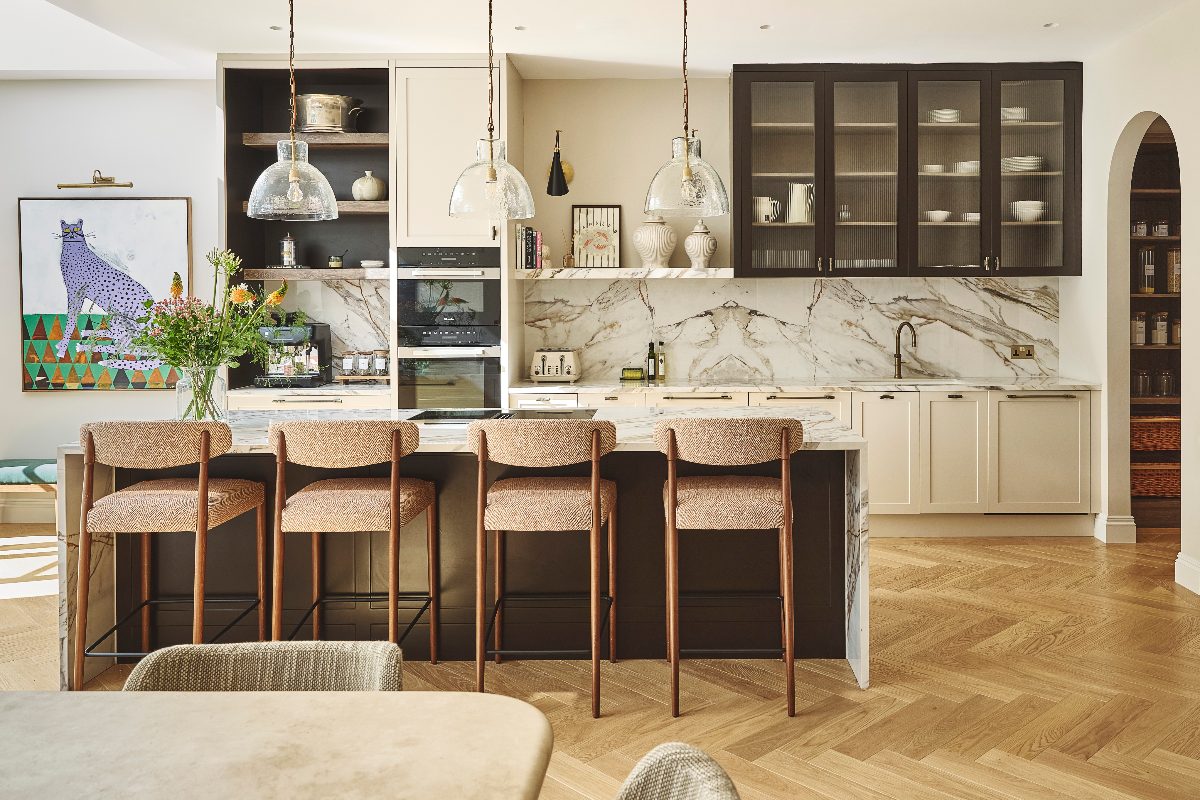
One of the main ways to add texture or natural materials to your kitchen is, of course, the worktop. “They are increasingly becoming the focal point of kitchen design, moving beyond practicality to serve as a true statement feature,” says Allison.
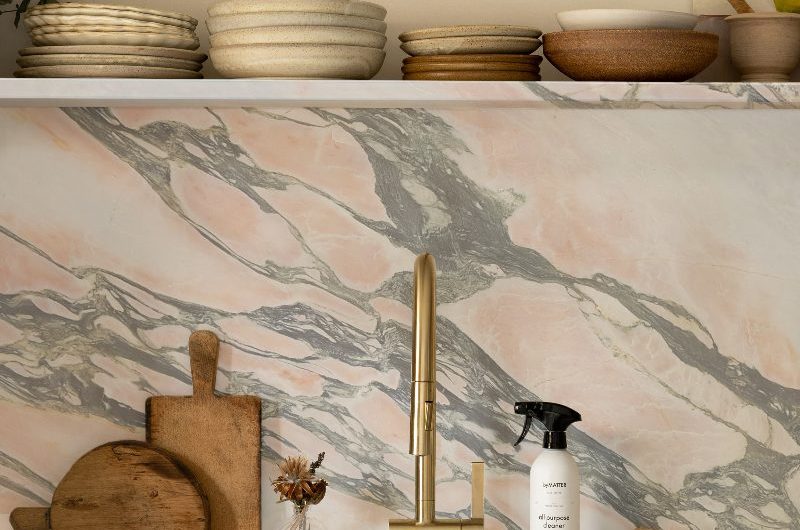
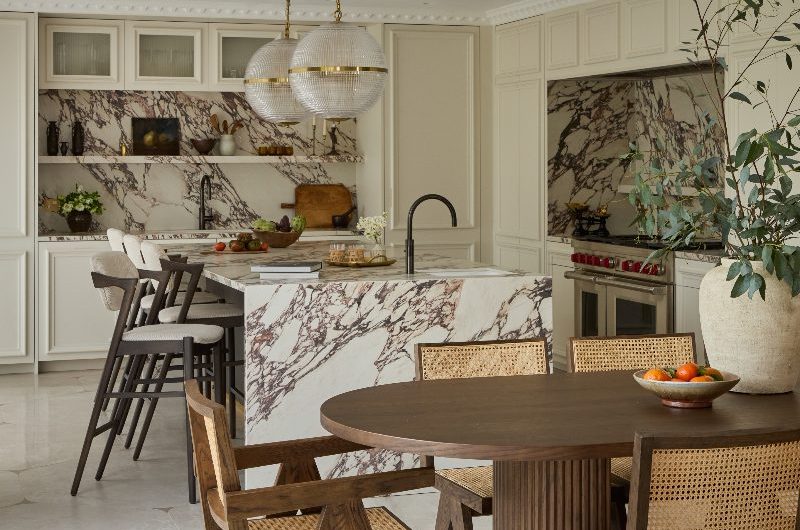
“There is a growing appetite for natural stone; for its unique veining, depth, and organic character. Whether it’s a dramatic marble island or a richly textured granite surface, these materials bring instant impact and timeless beauty, adding luxury and individuality to the space.” And, as already mentioned, wood and timber finishes are another big kitchen trend for 2026.
Hidden kitchens
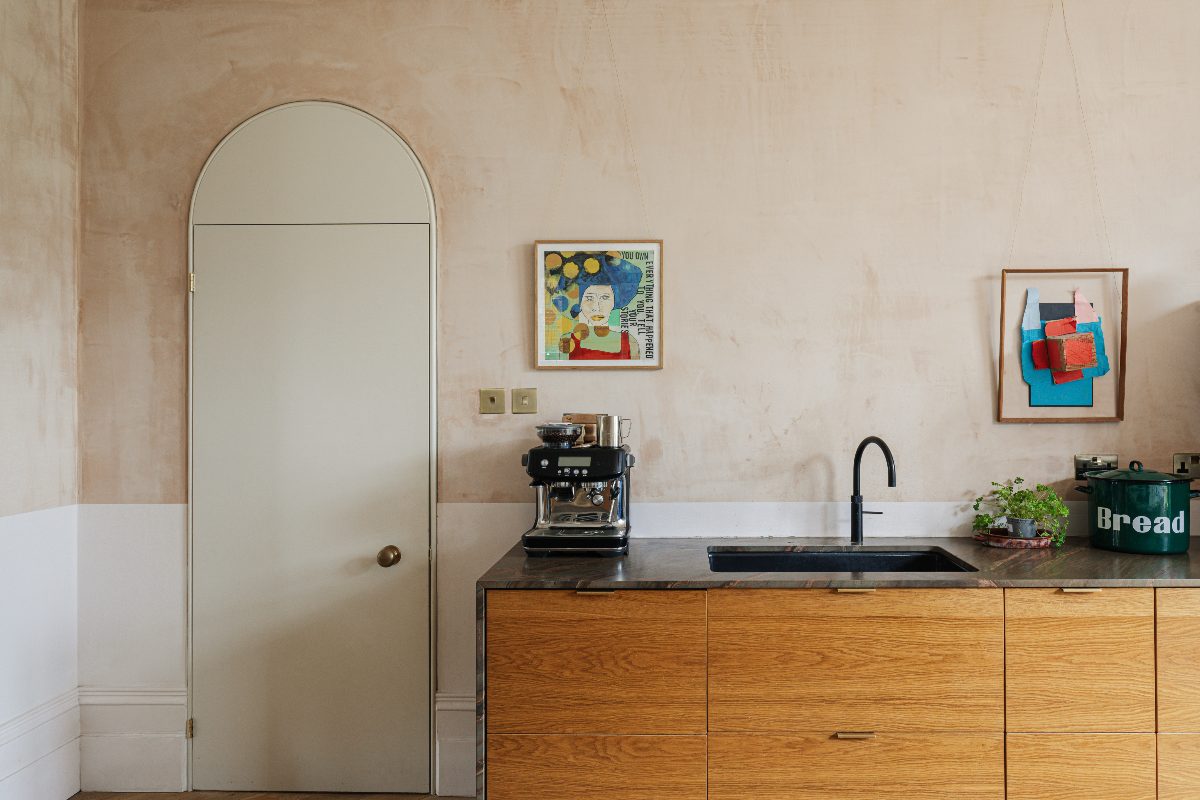
Whether it’s utilities, pantries, or simply storage you want to conceal, the hidden, or ‘invisible’ kitchen trend is a feature and function that will dominate 2026. “Walk-through larder doors are a perfect example of the clever, space-maximising solutions homeowners are seeking today,” says Josie Medved, design manager for Symphony Group. “At first glance, they look like elegant cabinetry, but they reveal a hidden room – a pantry, utility, laundry, or even a home office. With rising interest in ancillary spaces and ‘invisible’ kitchens, these doors offer a quick, cost-effective way to add functionality while seamlessly blending with the kitchen design.”
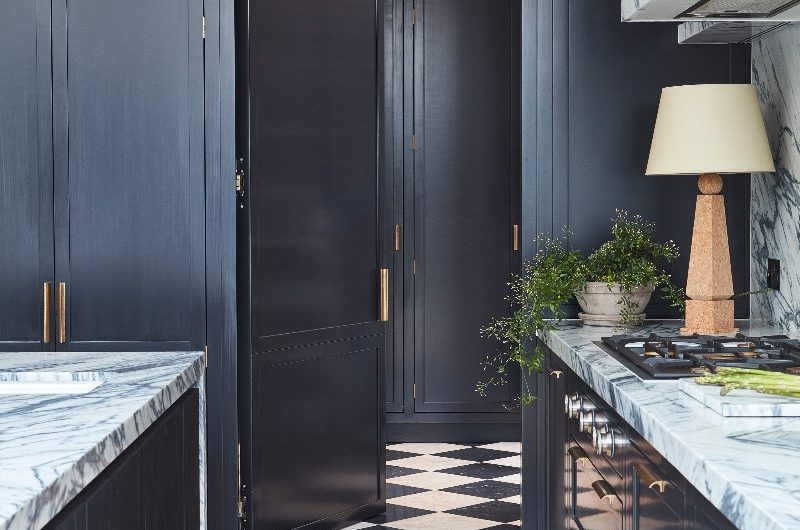
Georgina echoes this notion, and says, “Concealed storage continues to be one of the most in-demand features within our projects. Homeowners are increasingly seeking kitchens that feel calm and uncluttered, yet still operate effortlessly behind the scenes. From pull-out tea towel holders to discreet key-storage solutions. Our breakfast dresser stations, for example, are crafted with bi-fold mechanisms, and provide a dedicated space for morning coffee and breakfast rituals, which can seamlessly shift into an evening drinks hub.
“These multi-use zones offer both practicality and the ability to ‘close the door’ on everyday clutter. It’s a design direction we fully expect to grow throughout 2026, as people continue to seek kitchens that work hard while looking beautifully composed.”
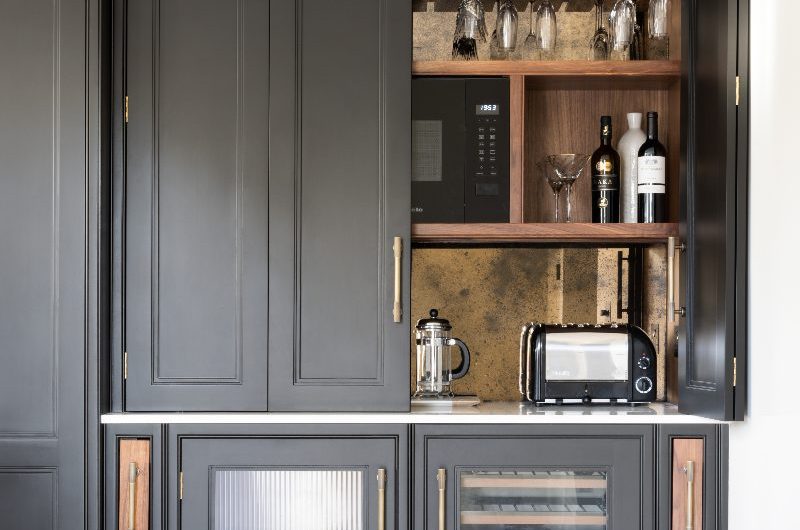
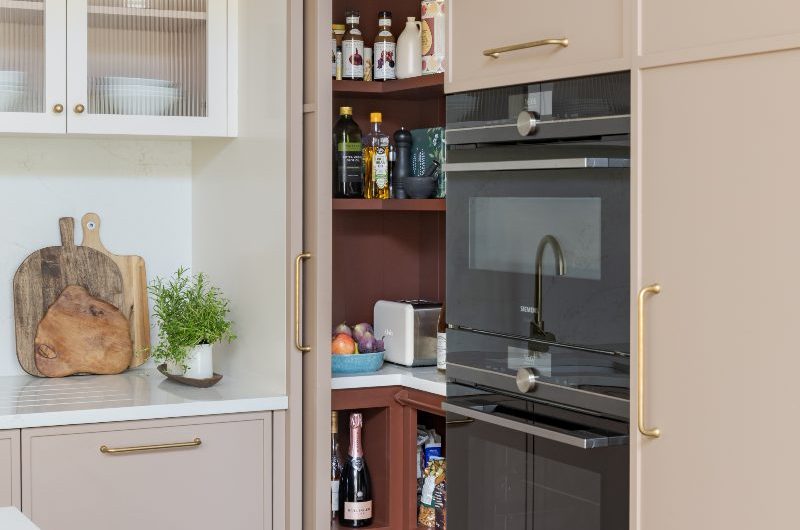
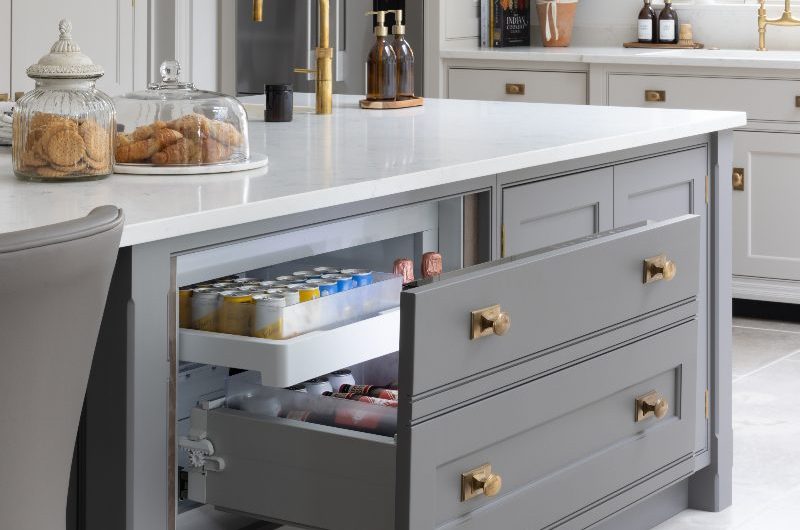
Sofia also suggested that homeowners will continue asking for streamlined spaces where everyday appliances disappear behind seamless cabinetry. “Hidden preparation areas, pocket doors, and appliance garages are all becoming staples in contemporary design,” she says. Amy reiterates this, adding, “Homeowners are looking for a sleek, uncluttered look where everything has its place out of sight. It’s all about making the kitchen feel calm and seamless.”
Enjoyed this post? Click here for kitchen colour trends for 2026
About Post Author