The key to designing a seamless and considered cooking area in your kitchen is working out your needs and preferences first…
Are you a confident host who loves nothing better than creating showstopping dishes using the island as your centre stage? Or perhaps you prefer to do your preparation and cooking hidden away in a messy back kitchen, emerging with a sodden brow yet triumphant once the dishes are ready to serve? Truthfully, the answer to creating your perfect cooking zone is thinking carefully about how you’ll use the space before seeking out any design and logistics advice.
So, KBB journo Amanda Cochrane has asked the experts all about this essential kitchen spot…
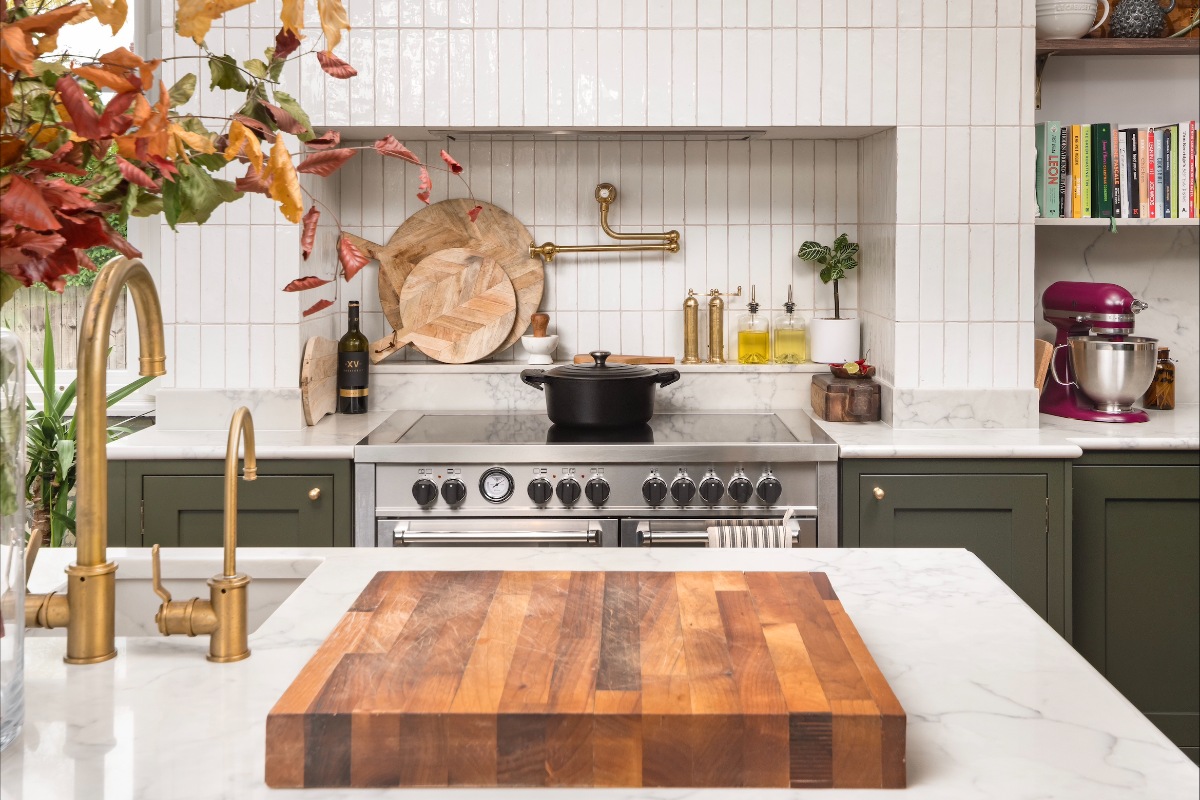
“When designing a kitchen, I always start by asking homeowners how they cook, use, and interact in their kitchens,” suggests Nathan Kingsbury, creative director at Nathan Kingsbury Design. “As the cooking zone is the true heart of the space, where it sits has a major influence on how the kitchen will function and also how it’ll feel.”
Where is the best place for your cooking zone?
As with all good design, there is no one size or shape that fits all cooks, and it naturally depends on how you want to use your space. A good kitchen designer will assess the room and create a layout that suits your everyday needs, curating a smooth flow from the preparation area to the wet and cooking zones.

“The important takeaway when planning a cooking zone on an island or in a run of units is that the functionality and layout of your kitchen must be right before you start considering the rest of the layout or aesthetics,” advises Selena Quick, founder of PAD. “The cooking zone is the central function of the space.”
It’s best to avoid positioning this zone as part of a main thoroughfare, and instead keep it close to preparation surfaces, the sink, and ideally the dishwasher, as you want to minimise movement with hot pans. Ultimately, proportion, storage, and thoughtful circulation are key to making each cook’s workflow safe, efficient, and enjoyable.
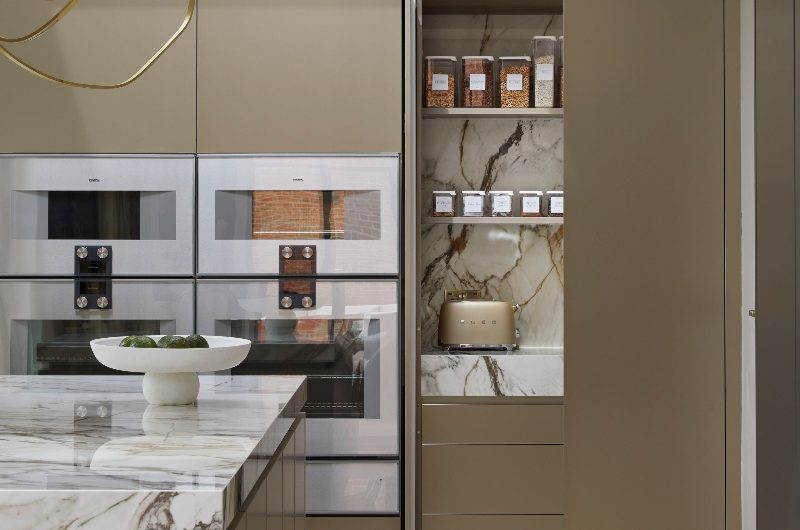
Whether you go for island placement or include your cooking area as part of a run of units, ample work surface is essential. Ideally, you’ll need a metre either side of the hob, plus deep, wide drawer stacks immediately beneath or adjacent for pans, utensils, and spices, ensuring everything is close to hand. And consider extraction early on in the planning phase – ducted overhead systems remain a popular choice, although modern vented hobs provide flexibility if you prefer a more minimalist look.
Joe I’Anson, head of design at Goldfinch, is also convinced that “the best layout depends on how you live and cook.” “We design from the inside out,” he adds. “The cooking zone should sit at the intersection of rhythm and relationship: how you move between preparation, cooking, and serving, and how you interact with others while doing it.”
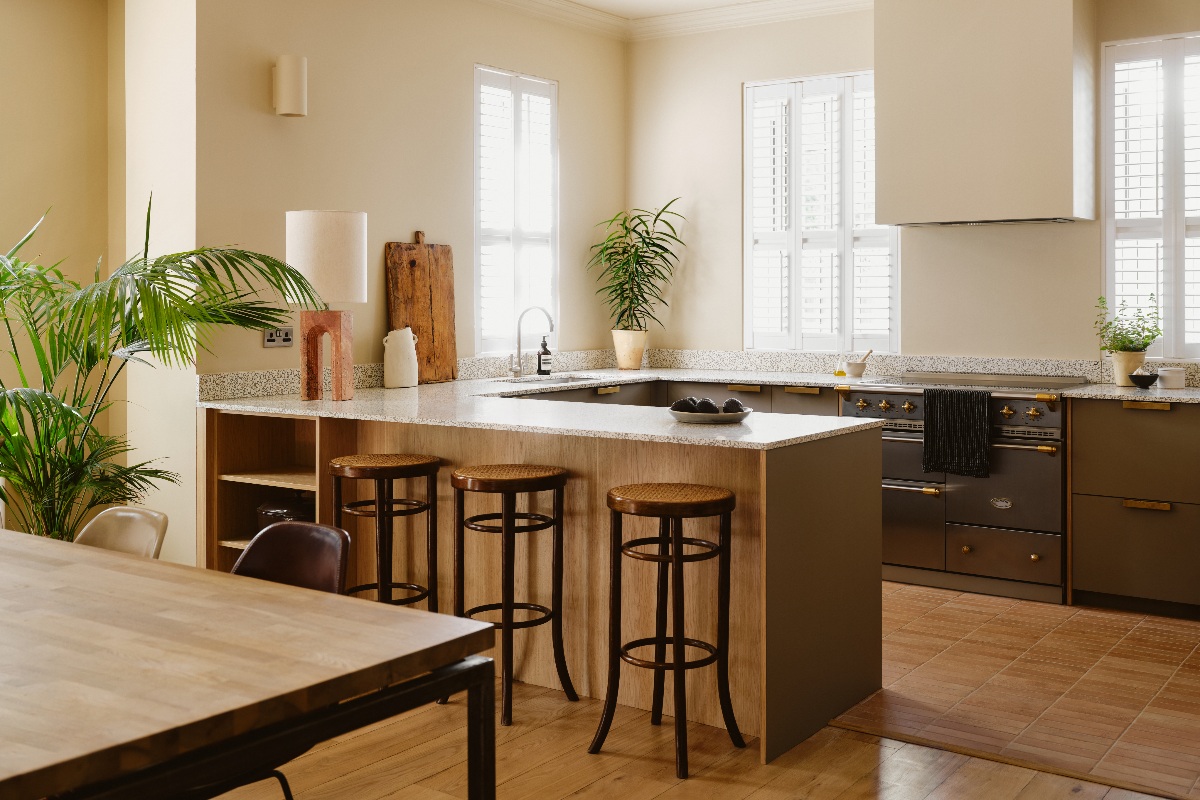
The island
Often better suited to open-plan layouts, the island cooking zone is perfect for those who enjoy a laid-back and social cooking experience. By positioning the hob or sink on an island, you’ll create a strong visual anchor that adds theatre to your kitchen. It’s intimate, encourages interaction, and, importantly, allows you to chat and prepare without having your back to your guests.
A sociable kitchen encourages collaboration, while smart layouts, like L-shapes with islands, allow multiple people to cook and chat without it feeling crowded. And today’s kitchen designs need to think about flow and shared moments.
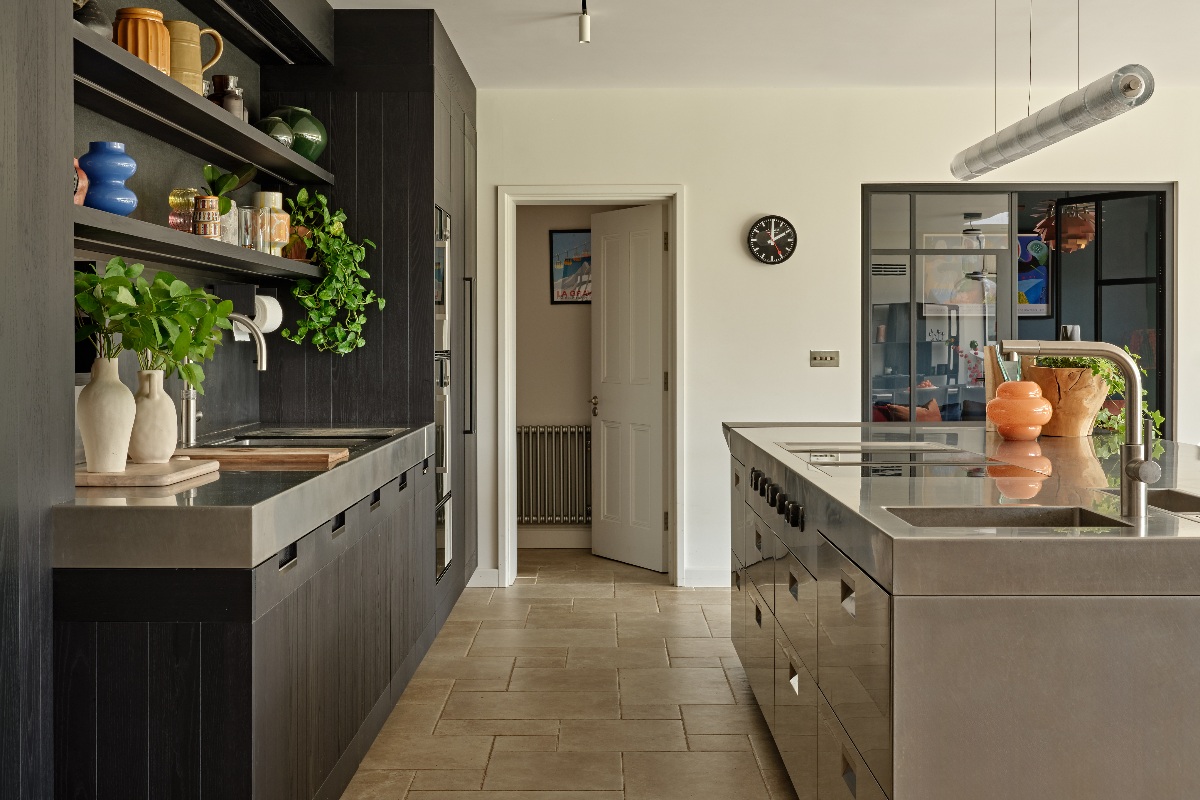
“The island cooking zone remains one of the most requested design features in the modern kitchen, and is something that’s unlikely to go away anytime soon. Homeowners love the idea of blending cooking with entertaining seamlessly,” notes Nathan.
“But we’re also seeing a rise in the hidden preparation kitchen, often tucked away behind pocket doors or within a utility space. Sometimes referred to as the ‘back kitchen’, it becomes the space where all the preparation and cooking is done, with the main kitchen being more of a showpiece for guests,” he adds.
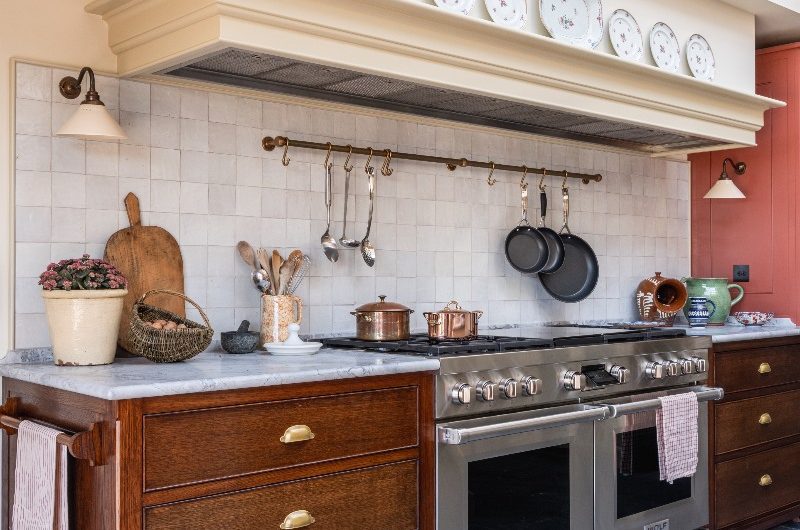
However, while the island cooking zone is a very popular choice, there are certain factors you need to consider. Firstly, you will need to make sure that you’ve got comfortable space to house an island, with enough clearance on all sides, allowing for good flow and safe circulation.
Secondly, if you’re planning to include a hob on your island, it will require good ventilation. Luckily, extractors, downdrafts, and hobs with integrated extraction have been transformative in today’s contemporary kitchen design, creating a clean and uncluttered look.
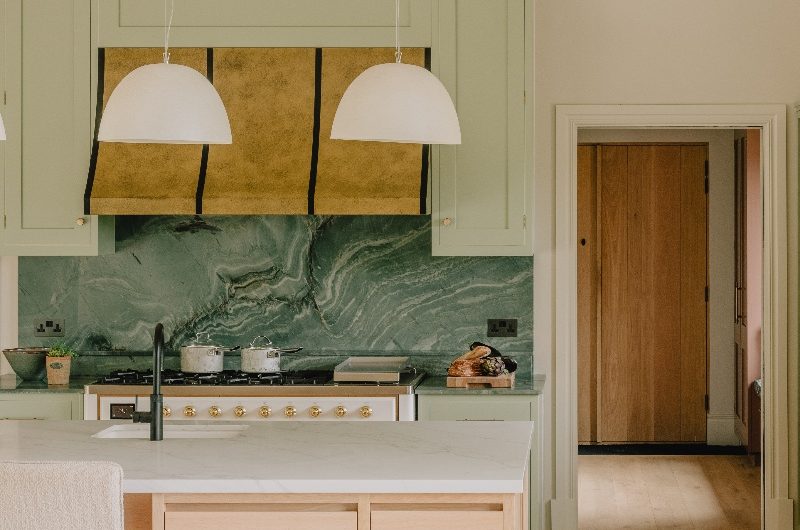
Most designers will also recommend an induction hob, as they are easy to clean, keep heat build-up to a minimum, are safe, and work well in open spaces. “We often pair these with integrated downdraft extractors or flush ceiling systems, both of which maintain clean sightlines,” explains Joe.
A recent report conducted by Wren Kitchens has found that Gen Z is driving the trend towards the island and a sociable cooking zone – as well as the fact that they are more likely than other generations to invest in kitchen extensions. “It’s rooted in how people want to connect today,” says Darren Watts, design director at Wren Kitchens. “As the cost of going out continues to rise, more people are choosing to entertain and build community within their own homes. The kitchen has become the natural hub for that.”
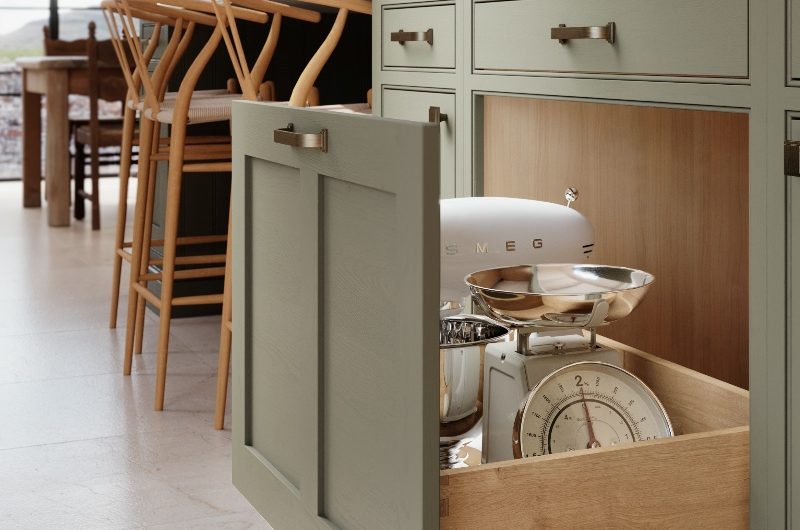
Placing your hob on the island has many benefits, according to Darren. “Having a hob on the kitchen island is space saving, allowing you to have more room on the worktop, or cabinetry on wall units,” he says. “You can also have space underneath the hob in the island for additional storage. It’s a brilliant design idea for smaller kitchens or kitchens of large households that require more storage and a bigger work surface.”
On the downside, the island hob can make the cooking process more disjointed, he warns. “It may cause unwanted traffic within the kitchen. Ensure that there is enough preparation space next to the hob to minimise movement to and from the worktop preparation area and the island hob.”
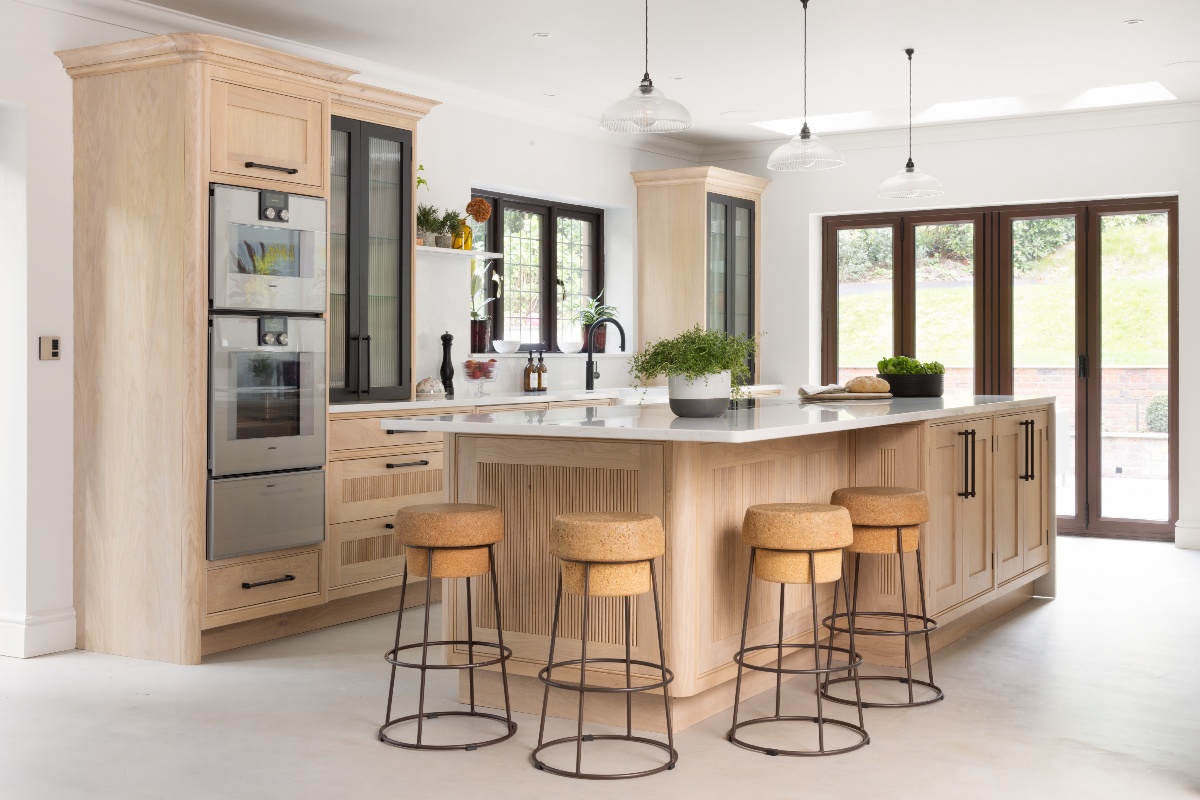
Worktop cooking zone
Kitchens by Holloways’ design director Charles Elwell is a big fan of the worktop run when creating a cooking zone. “The most important rule is to avoid placing it in a corner,” he says. “It should sit in a generous, balanced section of worktop, ideally on the main kitchen run, where it acts as a focal point and offers enough room for preparation and plating.”
A hob positioned along a run of units offers compact efficiency and can be more practical. “It allows for efficient preparing and cooking and creates the ergonomic ‘working triangle’ between hob, sink, and fridge,” says Rebecca Nokes, design director at John Lewis of Hungerford. “This layout also frees an island for preparation or casual dining. Ultimately, the best cooking zone balances function and form; a space that feels effortless to work in and just as enjoyable to live around.”
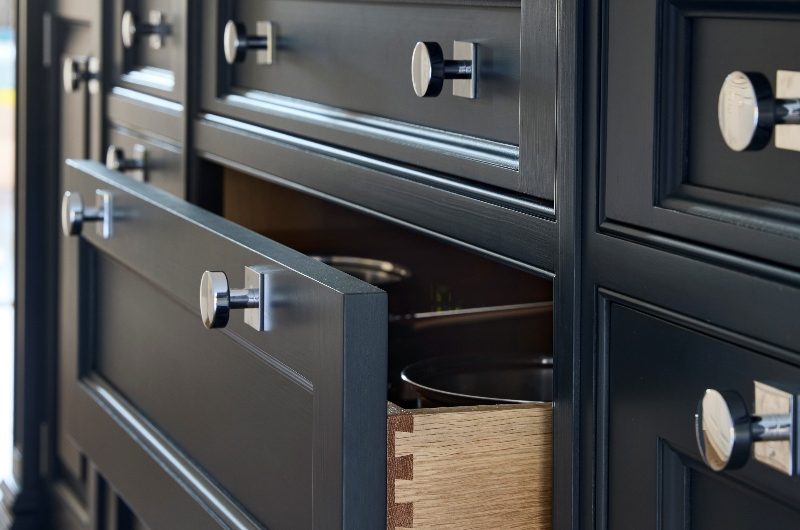
Still, designing a hardworking space with a focus on both aesthetics and functionality is key, with triangles and zoning often being secondary considerations in the project. While you have to ensure that everything you’ll need is within easy reach, strict zoning is not necessarily the secret to a successful kitchen design.
It is more important to make sure the space feels easy to use, comfortable, and responds to your own personal needs. After all, the triangle – placing the hob, sink, and fridge in close proximity – remains a sound design principle, but it has evolved, says Nathan.
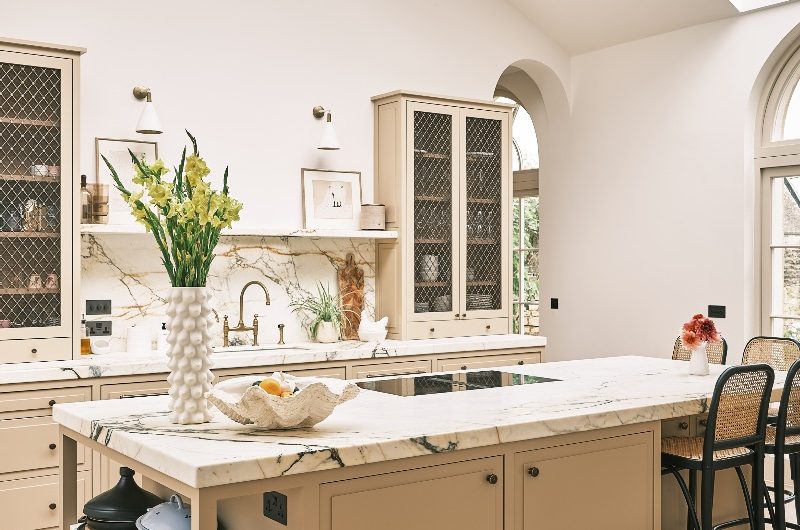
“Today’s kitchens often have multiple zones, from preparation to cooking and serving to entertaining, so it really depends on the client’s exacting requirements as to what works best. In homes with two kitchens, the show kitchen is all about flow and aesthetics, while the back kitchen focuses on the functionality and follows the kitchen triangle principle more closely,” he explains.
“Ultimately, whether your cooking zone sits on the island, within a run of units, or in a back kitchen, it really depends on how you and your household will use the space and like to cook. The best designs always start with the cook themselves, and not the kitchen.”
Don’t forget…
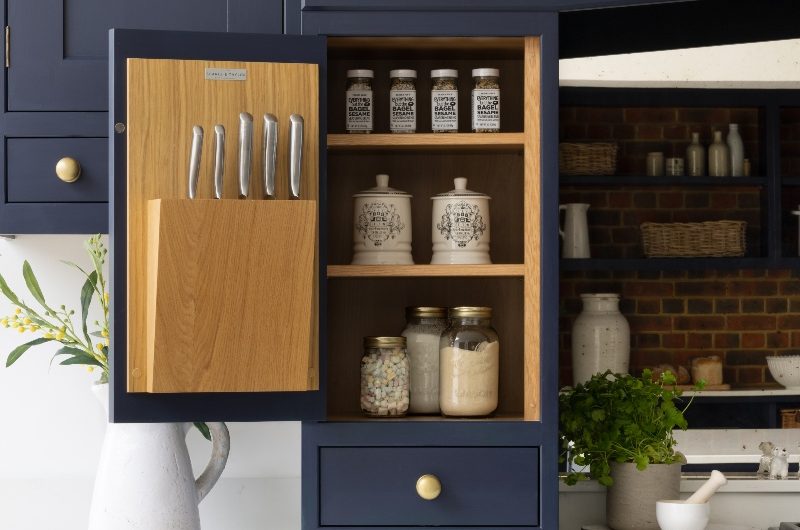
Storage is vital for an efficient cooking zone, and ensuring everything you need is close to hand. Think deep pan drawers and base units for pots, pans, and utensils, as well as integrated spice racks near or around the hob.
Enjoyed this post? Click here to discover if using wallpaper in the kitchen is a good idea
About Post Author