Make way for matt black induction hobs – this finish is gaining traction in kitchen design, so we’ve asked the experts why it’s surging in popularity, and break down how to make this appliance work in your own scheme…
With a sharp and sleek aesthetic and a tantalisingly tactile finish, matt black induction hobs are rapidly becoming the ‘it’ appliance in kitchen design. But why the sudden interest, and what should you be aware of before pulling the trigger on the purchase? I reached out to my industry contacts to find out.
Why are matt induction hobs popular?
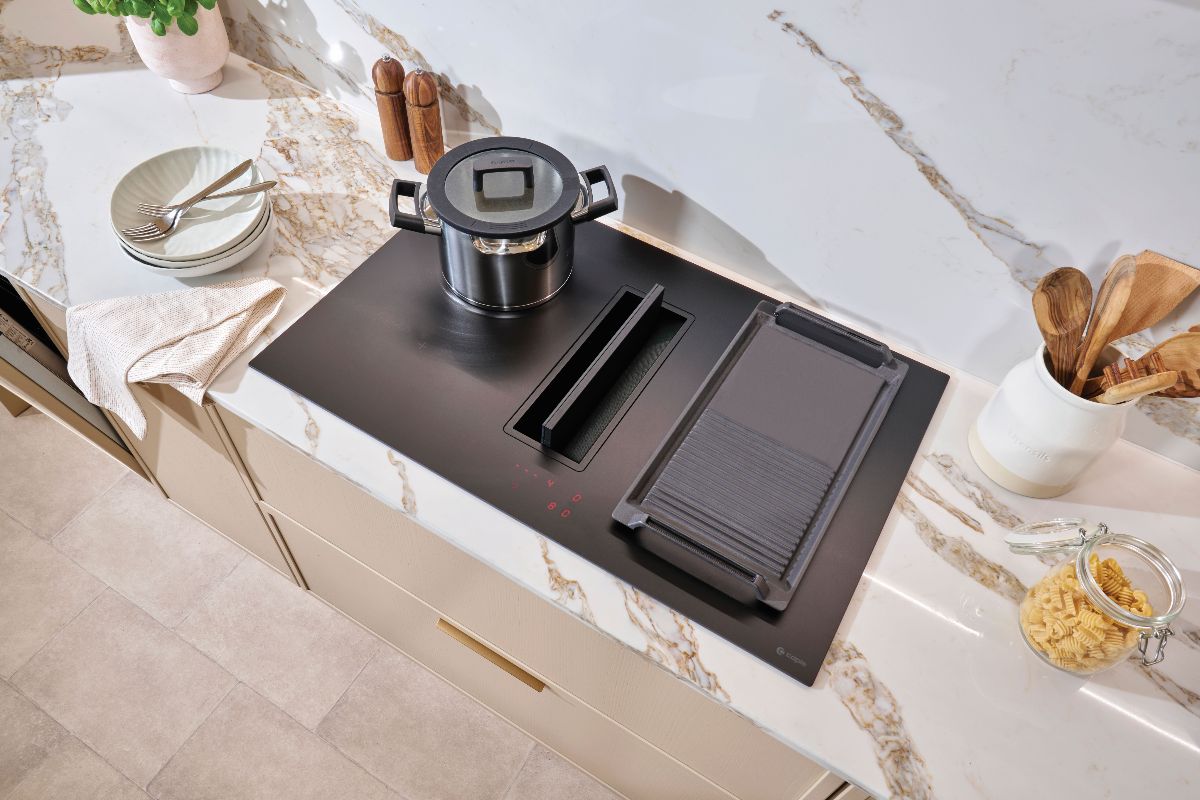
Luke Shipway, head of product at Caple, tells me they are seeing a rise in homeowners requesting matt black hobs ‘as they offer a sleek, modern cohesive look, with reduced glare, and hide fingerprints better than stainless-steel or glass models’, all whilst being durable and scratch-resistant.
Seza Weston, head of luxury South UK at Novy, has also spotted matt black hobs becoming increasingly popular, which mirrors the shift towards design-led kitchens. “Homeowners are looking for appliances that feel considered within the overall scheme, and matt finishes offer a softer, more refined alternative to gloss, helping to reduce visual contrast and create a more cohesive look across a range of kitchen styles,” she says.
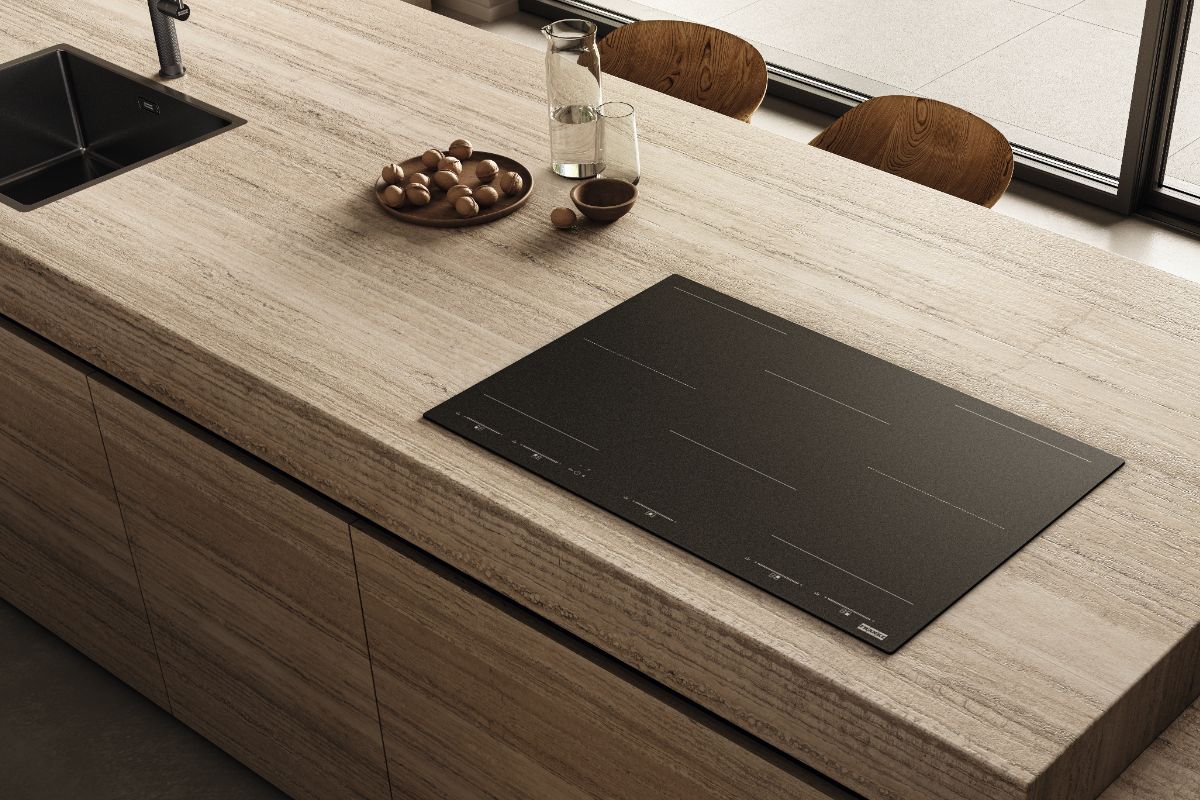
Texture, as seen in our kitchen trends roundup, and quiet luxury are certainly sought after at the moment. “From a design perspective, matt black offers a more understated, premium look. Its low-reflective quality creates a calmer visual field, allowing the hob to integrate seamlessly into darker worktops or contrast elegantly against lighter schemes,” says Amie Gee, marketing manager at Franke UK.

What’s more, Dan Young, category lead for kitchens at Miele GB, says this finish also ties in with the trend for darker, moodier palettes as homeowners look to create cocooning spaces. “Matt black brings depth and definition, pairing beautifully with natural textures such as wood, stone and brushed metal. It complements a range of styles, from minimalist contemporary to industrial, while delivering a seamless, cohesive look,” adds Dan.
Key considerations
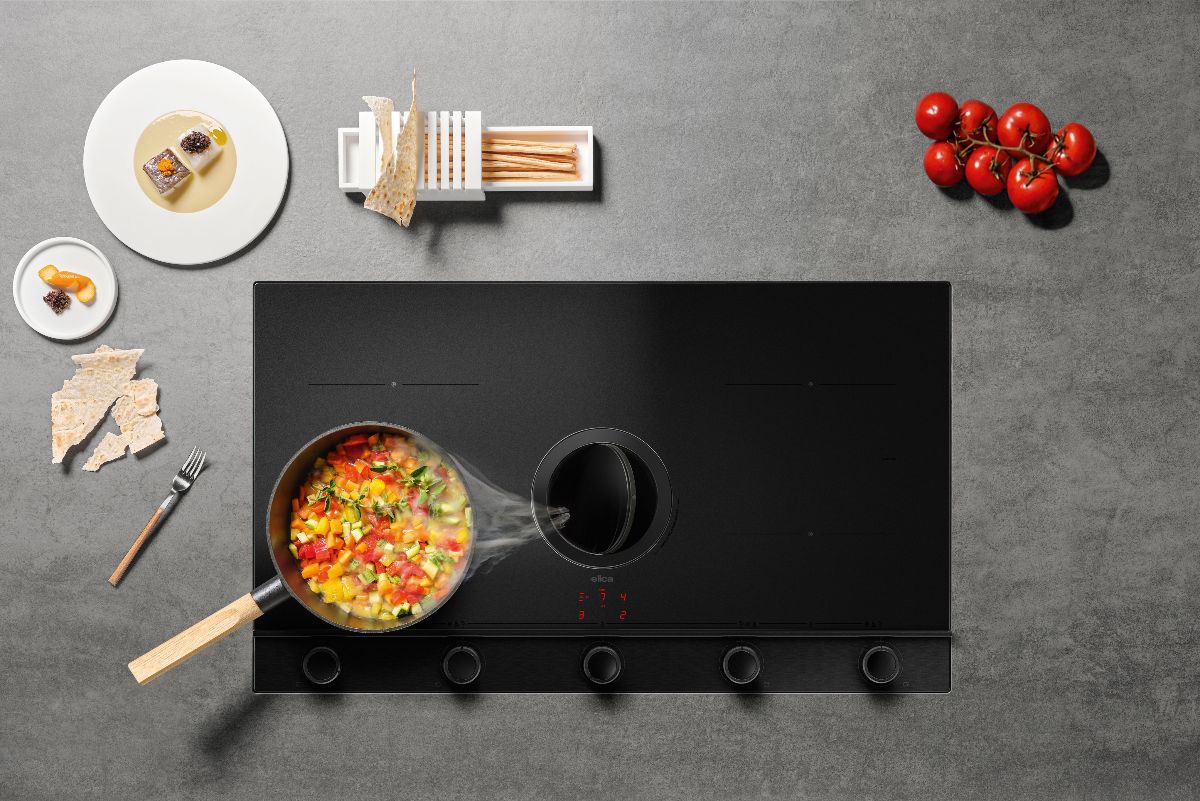
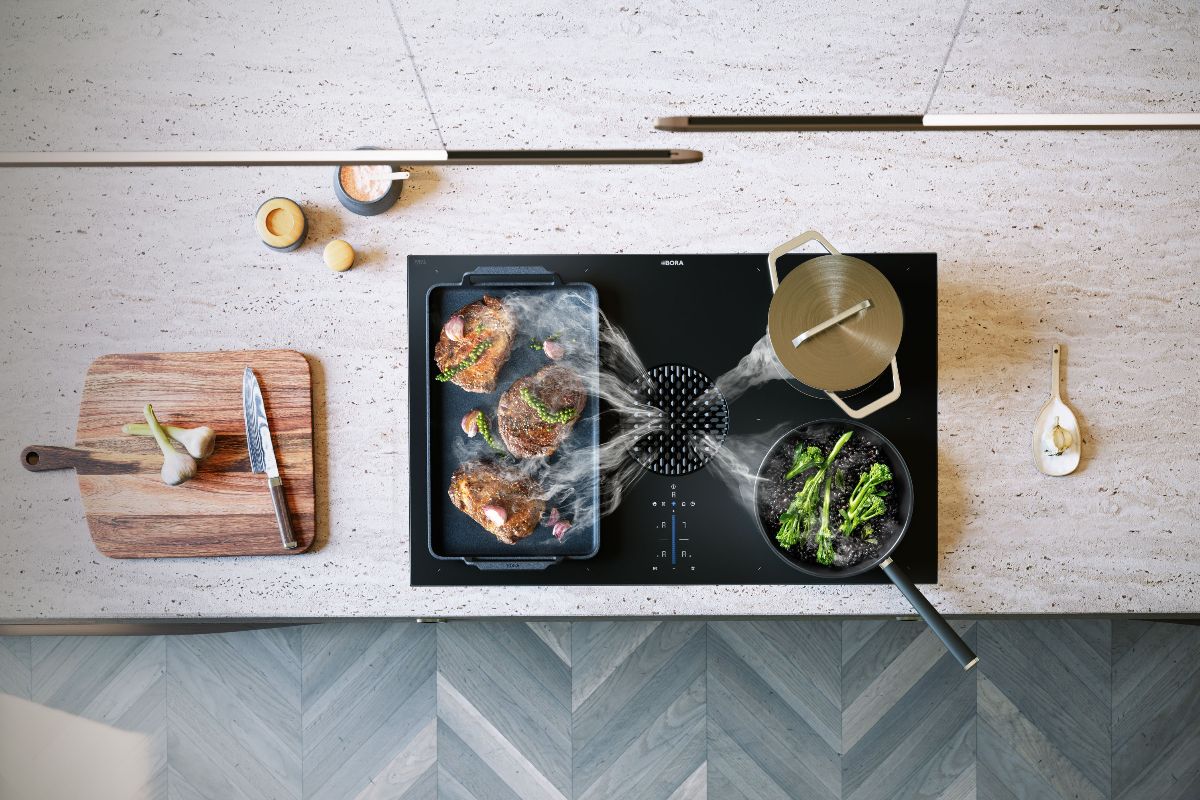
When choosing a matt black hob, balancing design with performance is important, says Seza. “Look for durable surfaces and intuitive controls that keep the overall look uncluttered,” she advises. “Venting hobs, such as Novy Panorama, are also growing in demand, combining induction and extraction in one sleek solution, while allowing for more open and flexible kitchen layouts.”
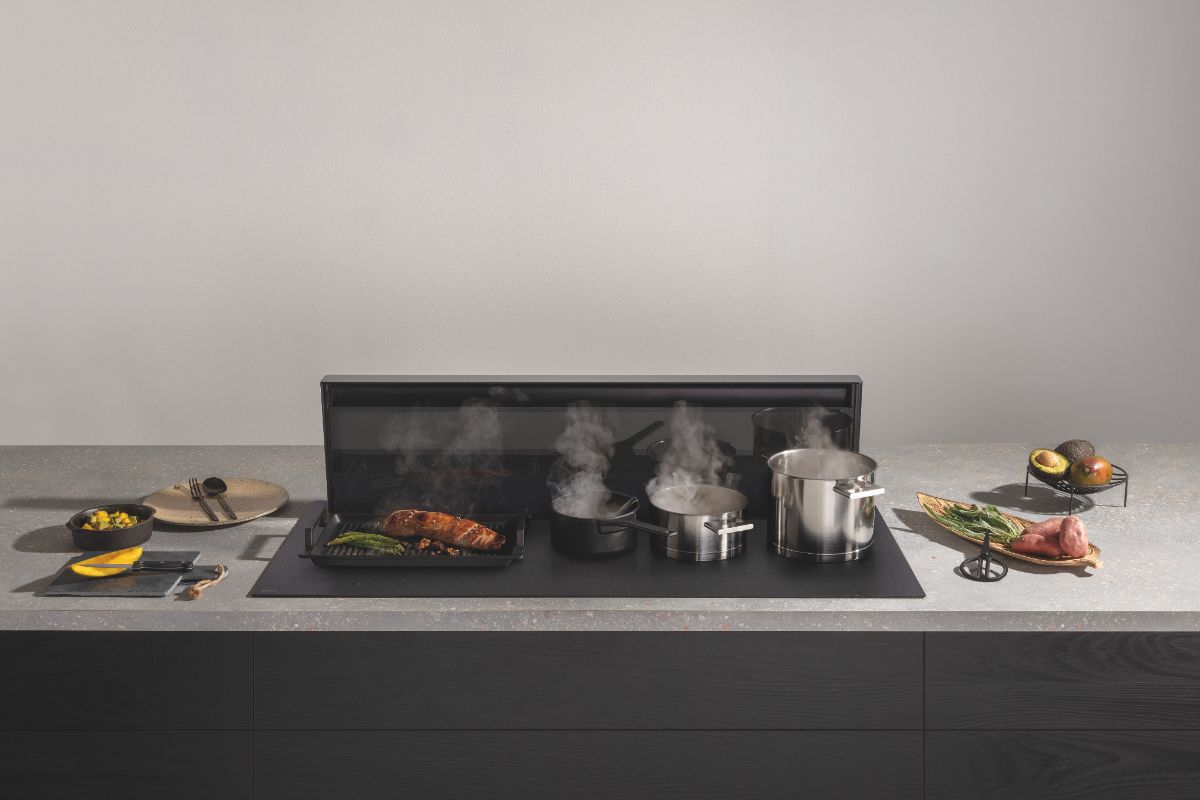
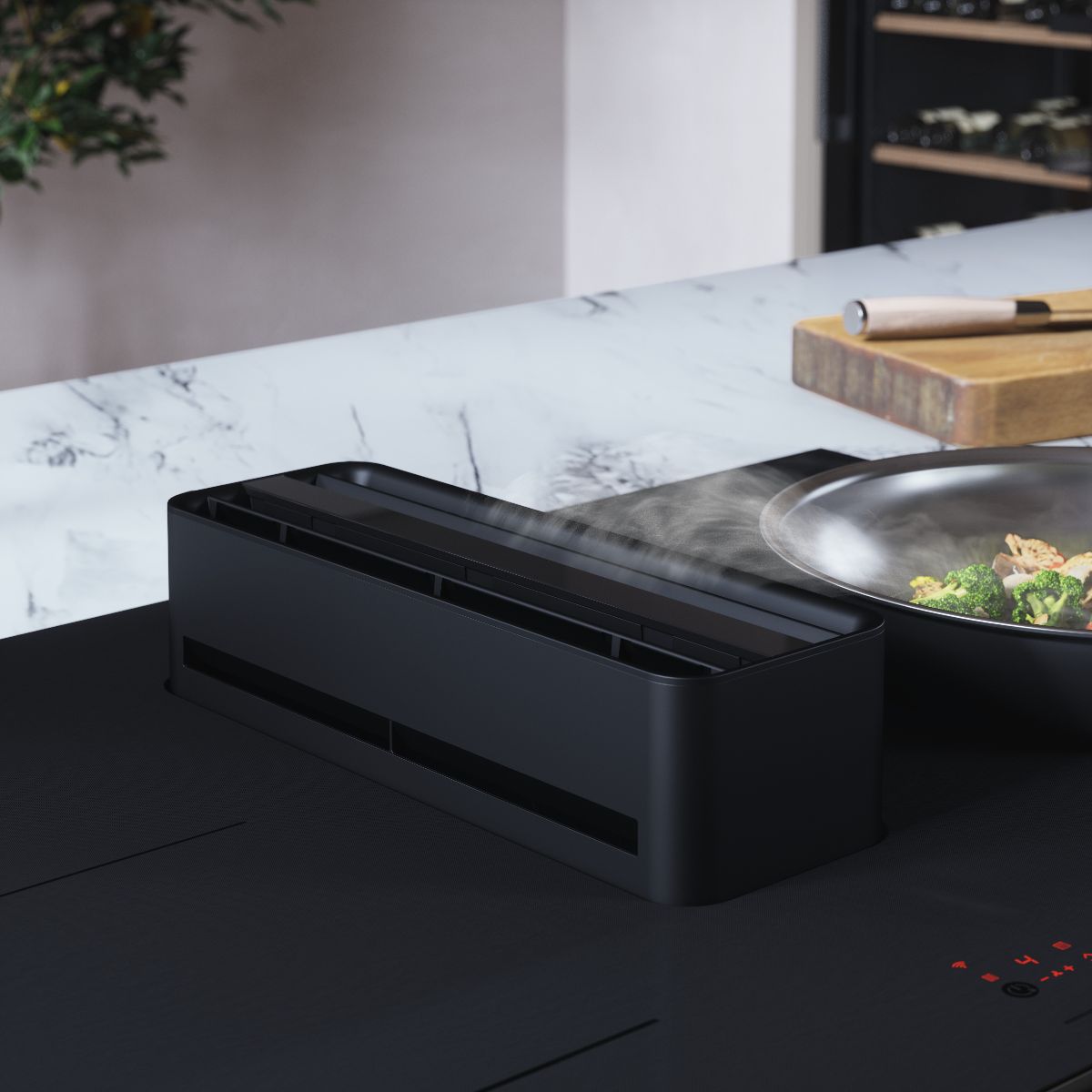
This tactile finish works well with other textured materials such as timber, stone, and brushed metals, ‘helping to create depth and warmth within the space’, suggests Dan. Jamie Harding, CEO at kitchen specialist Et Lorem, agrees and adds, “Helping to support both classic and contemporary schemes, the rise of essential fixtures and fittings in matt black has created new demand for complementary appliances, which move away from pristine glass to offer a warm, muted elegance that works beautifully against the most popular worktop materials today such as stone, marble, and even steel.”
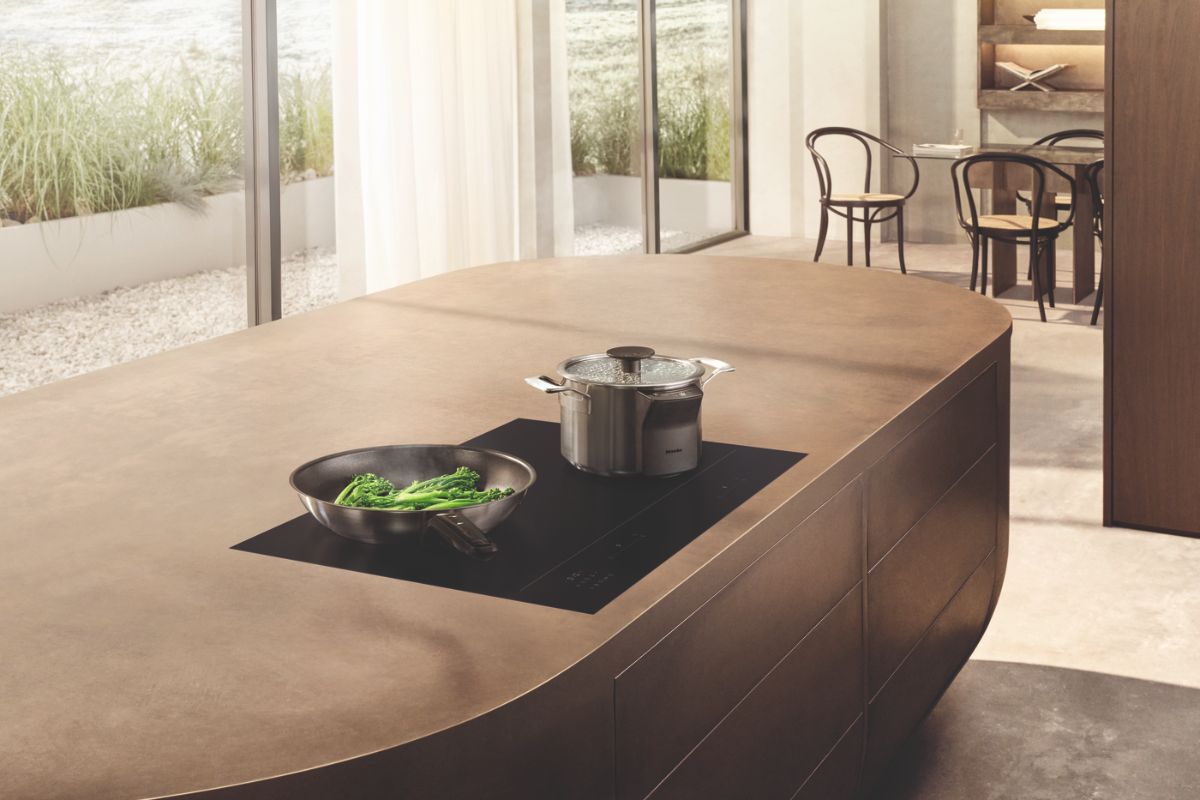
Make sure to also consider the light sources in your kitchen. “Soft, diffused lighting enhances the velvety texture of matt finishes and prevents them from appearing too flat,” explains Dan. As for upkeep, he says matt black is a low-maintenance finish. “It resists fingerprints, smudges, and water marks and can be kept spotless with a simple solution of washing-up liquid and water applied with a soft microfibre cloth.”
So, beyond visual allure, matt black induction hobs prove to be an equally practical choice in modern kitchens. Will you make the upgrade?
Featured image, from left: Miele | Bora | Caple
Enjoyed this post? Click here for more kitchen appliance news
About Post Author