Move over white gloss – tactile materials plus bold shapes and motifs are taking over bathrooms this year. We ask why the sudden shift…
While writing a piece on 2026 kitchen trends, a designer said to me, “texture is the new colour,” and it struck me that this movement is spreading to bathrooms as well. Combining different textures and tactile materials moves bathroom design away from the stereotypical white, clinical, and often overly-shiny schemes we’re used to, and turns them into calming, warmer, and atmospheric spaces instead. But why this sudden shift from colour to layers of tactility, I wonder.
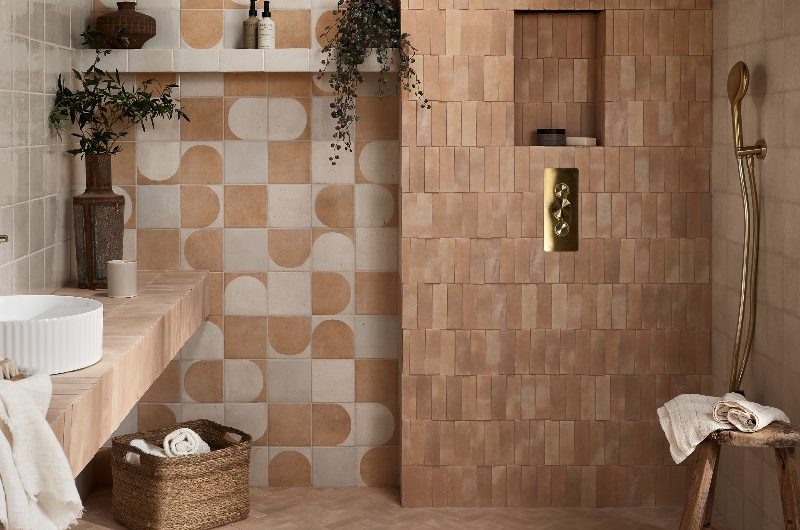
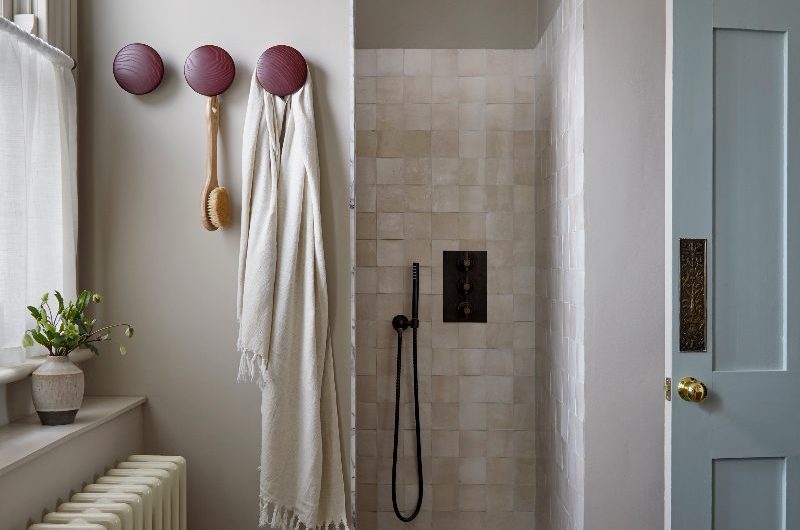
Part of it could be the trend for ‘living’ bathrooms – creating spaces that don’t look like bathrooms (i.e., a ‘non-bathroom’ bathroom). Maybe it’s because, really, while the idea of bringing back the avocado suite in theory sounds exciting, in practicality, would this actually last?
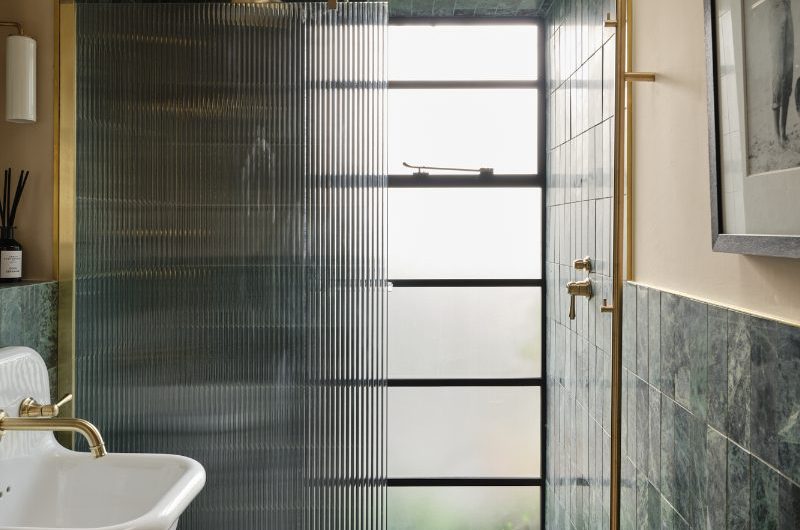
Adding in texture and pattern to a space – such as wood-effect floor tiles in a herringbone format, or a fluted showerscreen – is an easy way to create interest and charm without the worry it would soon look old-fashioned. (These features are also a bit easier to replace, should the need arise.) And I’m not alone in thinking this.
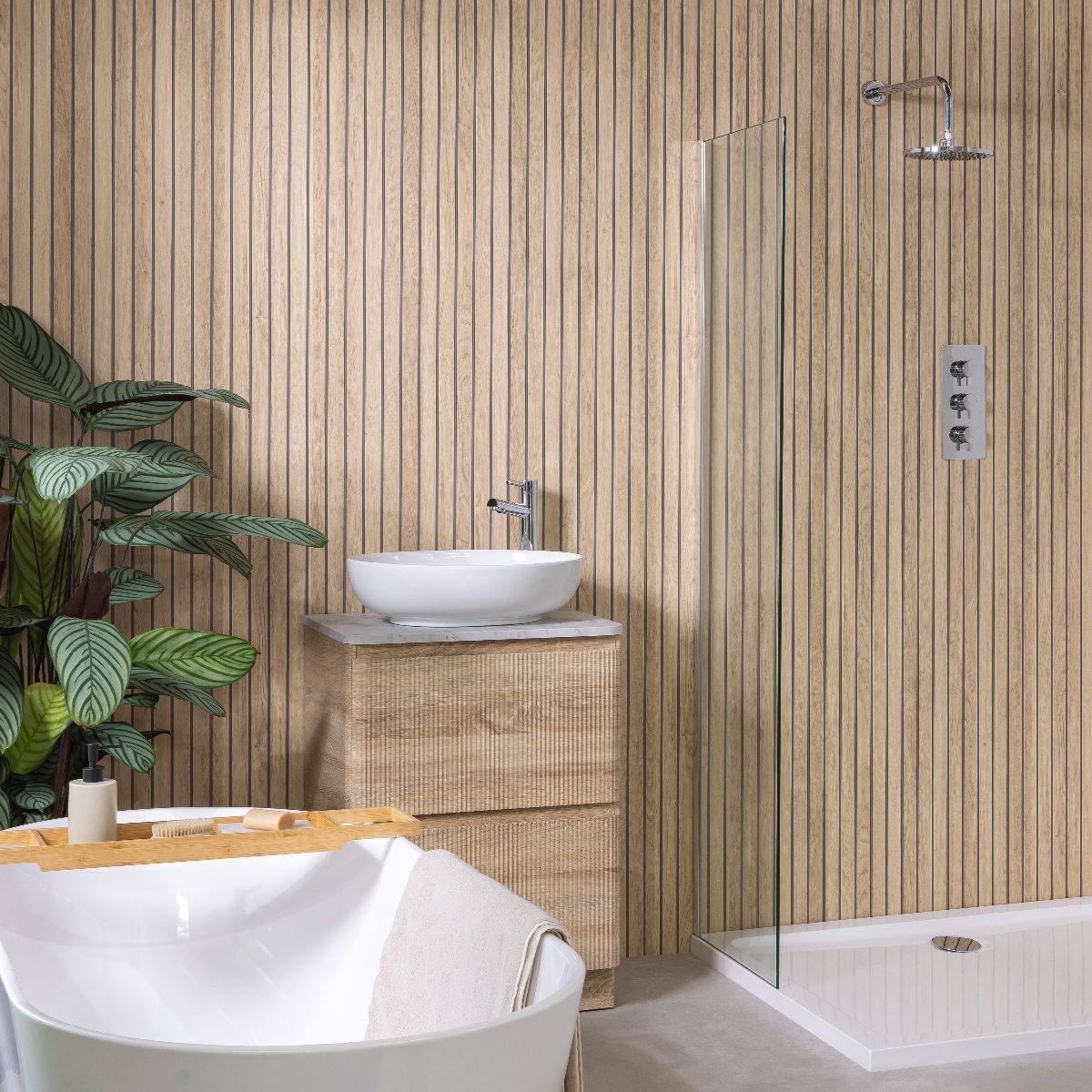
Using texture in your bathroom
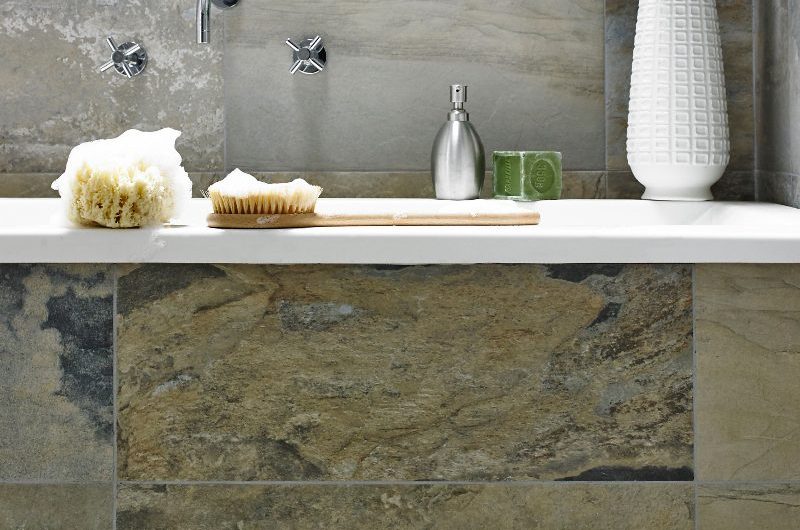
“Texture is definitely having a moment, but it’s more than a trend; it reflects how people actually want their homes to feel,” Urvashi Agarwal, creative director at Stone World London, tells me. “In bathrooms especially, we’re seeing homeowners move away from the very polished, glossy look in favour of finishes that feel more natural and tactile.”

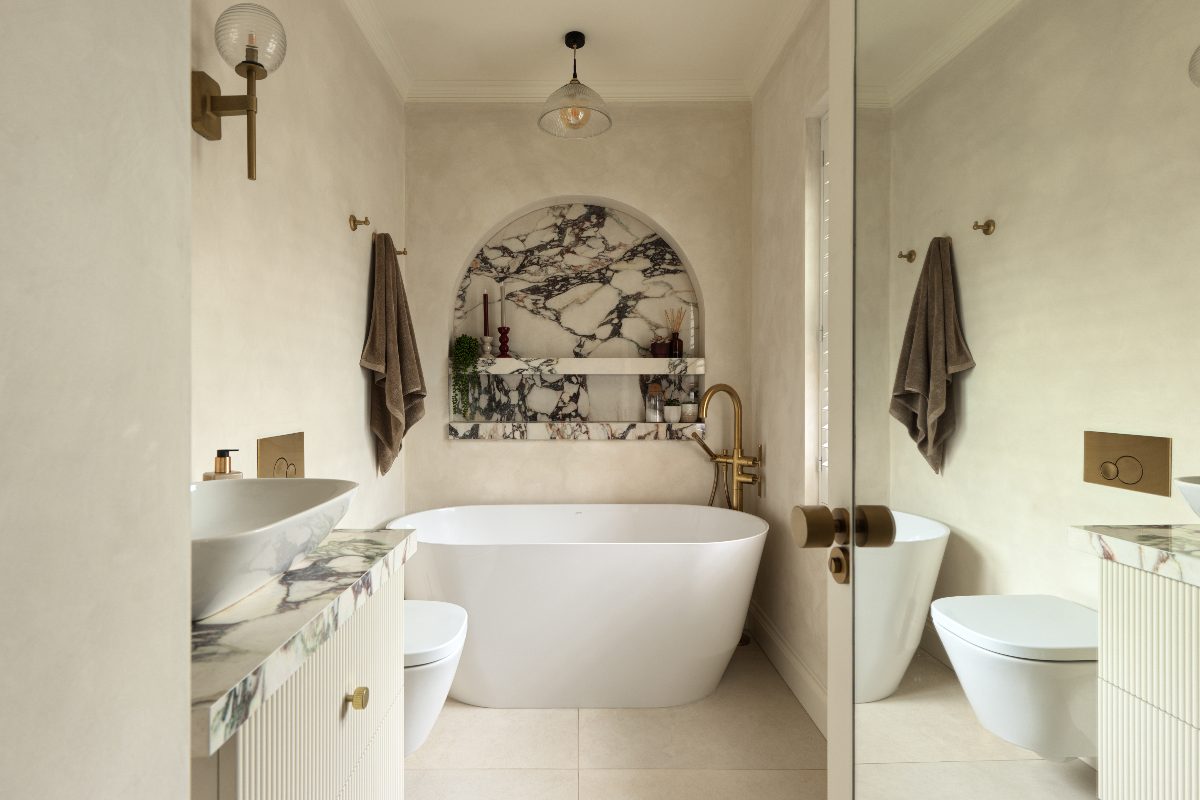
“Honed and leathered stones are among our most requested finishes. They diffuse light beautifully and reveal the stone’s real character, the details, the movement, the subtle variations you rarely notice on a high-shine finish,” continues Urvashi.
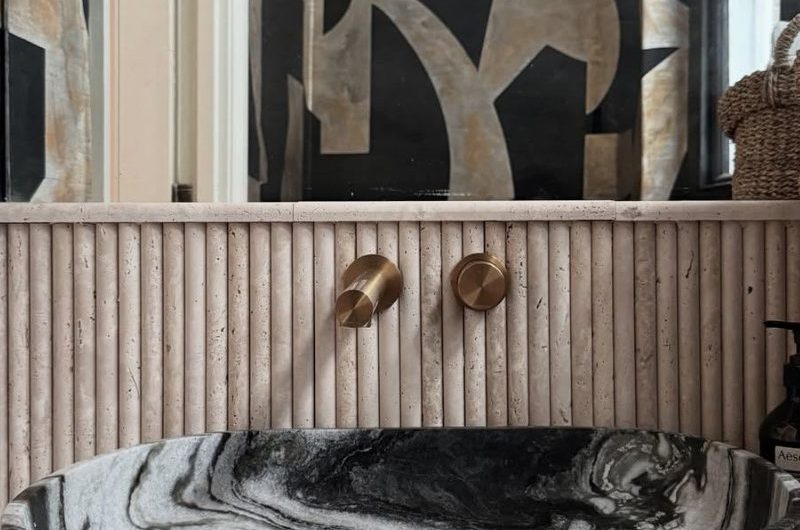
Louisa Morgan, creative director at Mandarin Stone, agrees and says, “In 2026, tiles are no longer just visual, they are tactile, sculptural, and light-reactive. Fluted forms, rippled finishes, and softly undulating surfaces add depth and rhythm, creating walls and floors that feel architectural rather than decorative. These are surfaces designed to be experienced.”
Pattern takeover
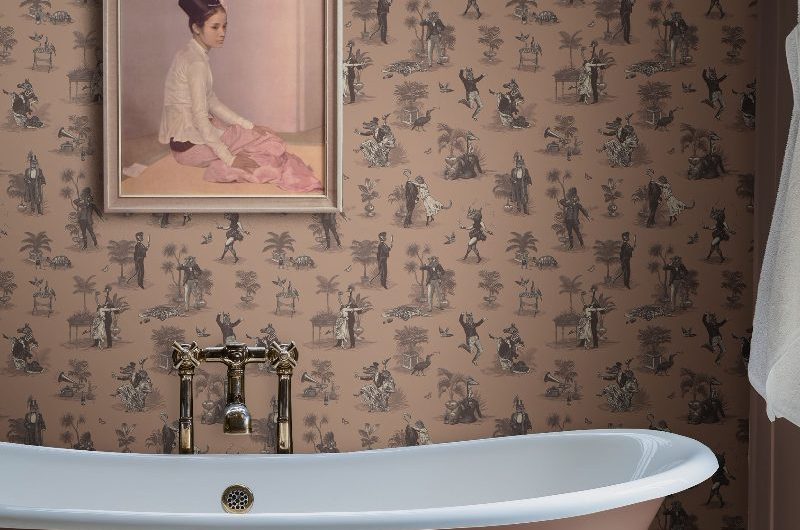
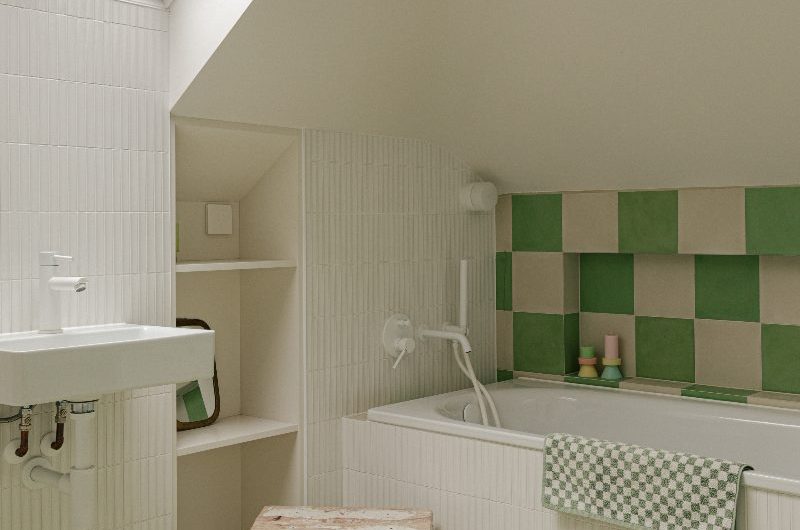
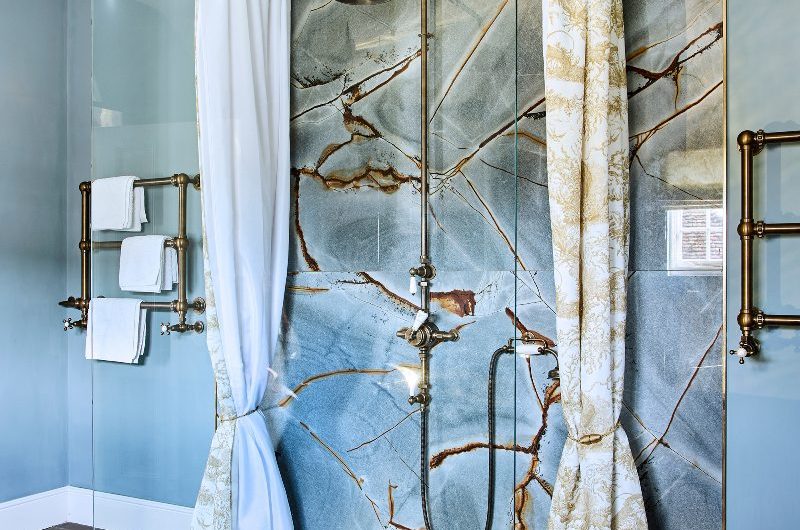
But it’s not only texture that is overtaking bathrooms – pattern is a favourite now, too. From floral wallpaper, bold bookmatched marble, motif tiles, to classic chequerboard. “Ensure you use pattern and texture with intention, not just for the sake of a feature,” suggests Adam Wollerton, design manager at Bathroom & Kitchen Eleven.
“Use it to highlight a key area. Pattern can help distract your eye from a short ceiling, an awkward slope, or a narrow width. While colour, tone, and texture can help define a dedicated zone, such as a cosy bath nook, or help create a statement shower space.”
How to use pattern and texture in your design
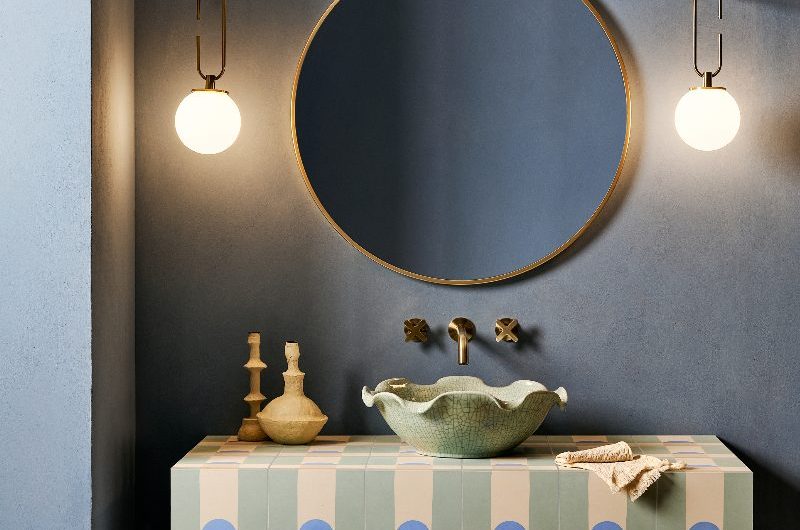
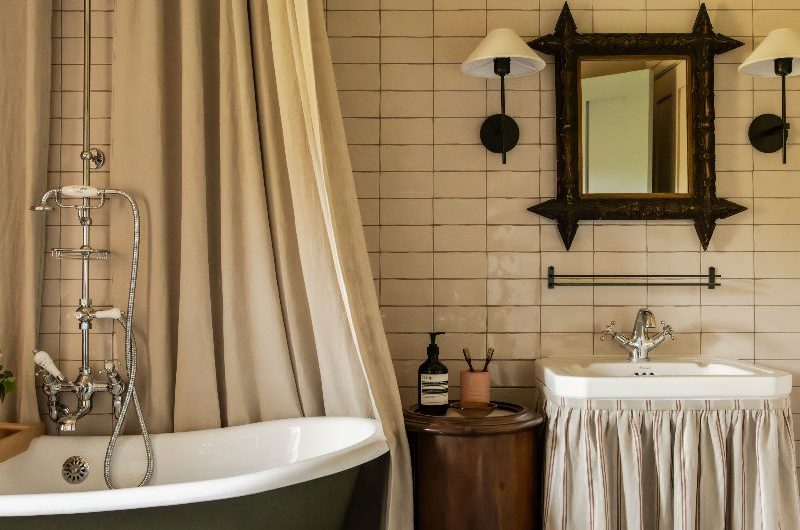
How about when you combine the two? “When mixing pattern and texture in a bathroom, I always start with one hero element that the client really loves, whether that’s a roll-top bath, a coloured finish, or a very modern set of wall-mounted taps,” says Kate Clare, founder of Loud Architects. “Once that anchor is in place, the rest of the design tends to resolve itself.”
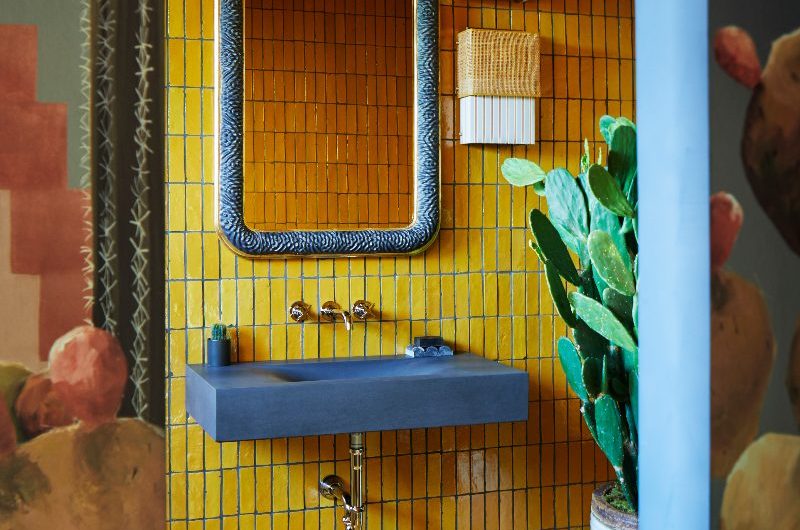
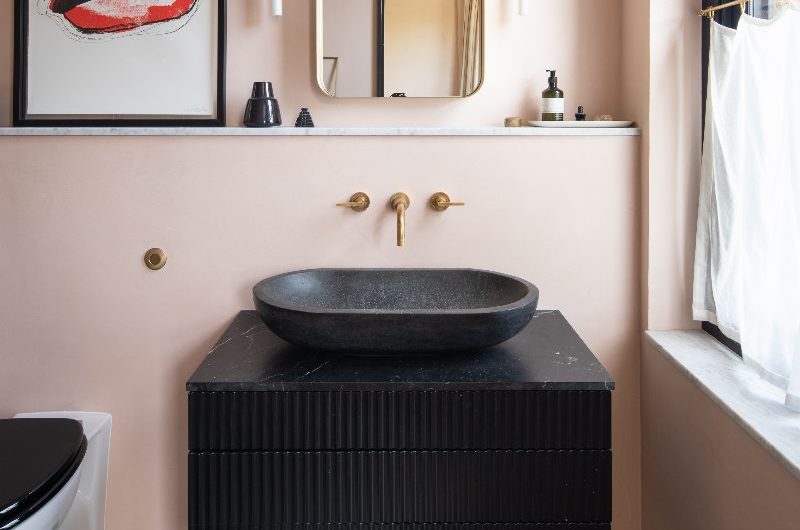
“Pattern should always be balanced with longevity and practicality,” continues Kate. “Floors work hard, so darker or patterned tiles often make sense there, particularly around showers, where water and grout lines are more exposed. Walls allow more freedom, from fluted and handmade tiles to glazed finishes, but these need to work with fittings and junctions so they don’t feel overworked or become maintenance traps.”
She also says she often pairs a patterned floor with a quieter wall tile that picks up a colour from it, and then uses the ceiling as a fifth wall through colour-drenching or carrying tone above half-height tiles.
Whether you choose one key pattern to add another layer of interest to your design, or combine multiple motifs, tones, and materials, you’ll be left with a bathroom that feels just right for you and your home.
Enjoyed this post? Click here for tips on designing a chic and practical couple’s space
About Post Author