The semi-open shower is the latest design trend to steal our hearts. We’re breaking down what you need to know to replicate this luxurious look…
Airy, bright, and brilliantly beautiful, semi-open showers are now becoming more popular among renovators. But what really goes into creating this look? And what is the reason for this rise?
I began my research by talking to Sophie Harrold, designer and director at Simply Bathrooms & Interiors, who told me this look is predominately achieved through bespoke design. “The key element is the pony wall – a part-height wall that allows you to zone areas and add structure and privacy without closing the space off,” she explained.
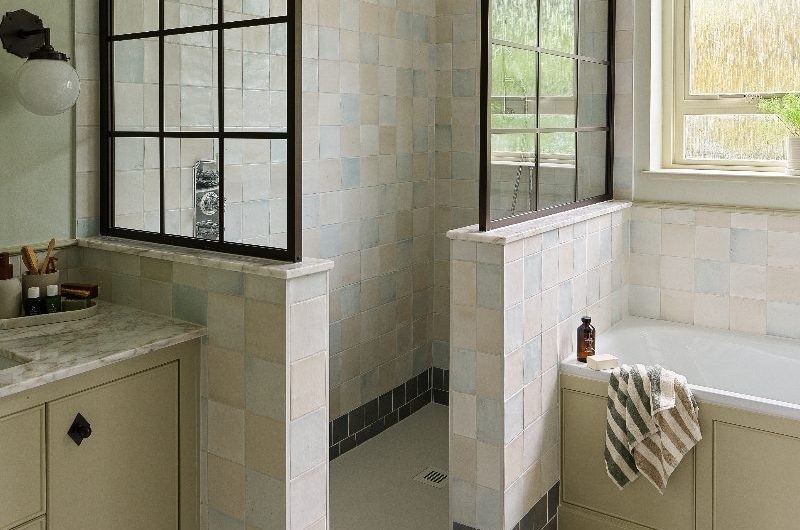
The benefits of semi-open showers
As Sophie points out, showers with half walls come with an array of practical benefits. “They offer more discretion than clear glass panels, which can be especially useful in family bathrooms or shared ensuites. While they require a little more width than a standard walk-in screen, they can actually help maximise space in certain layouts, for example, by allowing fitted baths or vanity units to be built right up to the wall, making the most of every inch,” she explains.
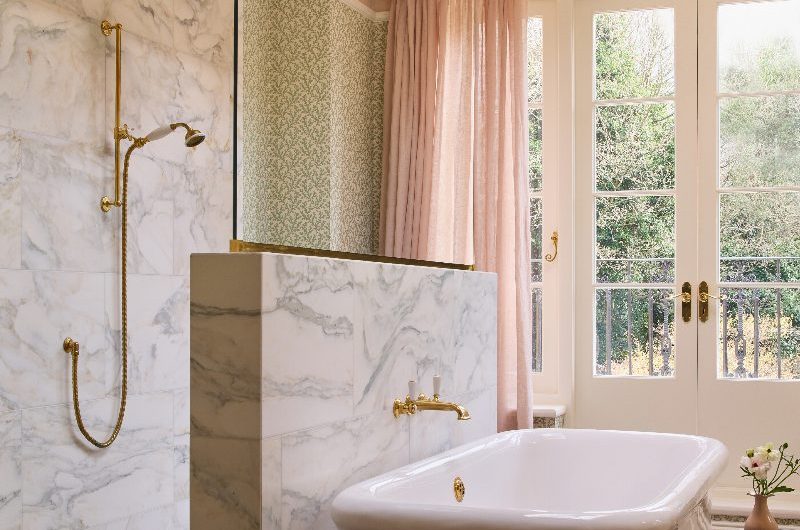
And even though you’re adding an extra structure to the room, if done right, it won’t make the space feel enclosed. “Its low profile defines the shower zone without visually closing it in – particularly helpful in spaces where a full-height wall would feel too dominant,” says Louise Ashdown, head of design at West One Bathrooms.

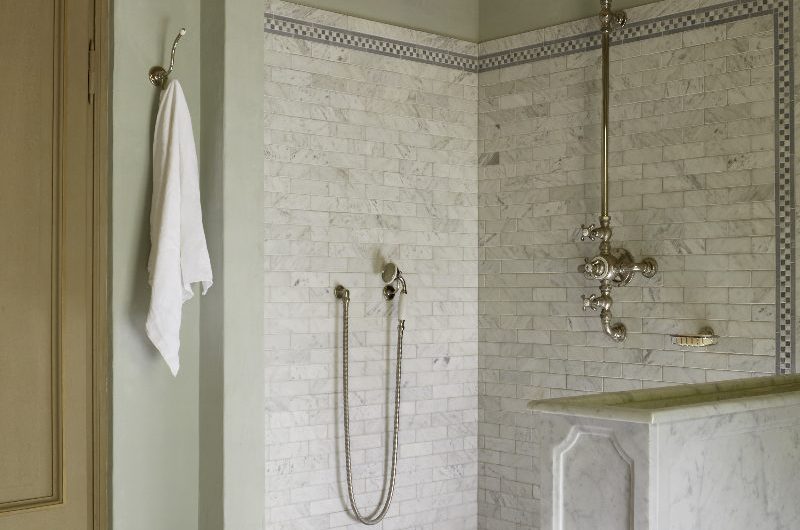
What’s more, beyond enhanced practicality, an open shower with half walls will win you plenty of style points. “They bring a bespoke, boutique-hotel feel and allow for more creative, characterful layouts where a traditional walk-in screen might feel too open or clinical,” adds Sophie.
Key practicalities
If you would like to recreate this shower look at home, however, you will need to consider it at the early stage of your project and seek the expertise of professionals. “Pony walls require careful planning and higher installation costs. They need to be properly constructed and strengthened underneath to ensure there’s no movement after they are built. This is absolutely key, as any slight movement can lead to cracked tiles and, ultimately, leaks. The walls should be at least 110mm-wide to provide sufficient support before tiling,” advises Sophie.
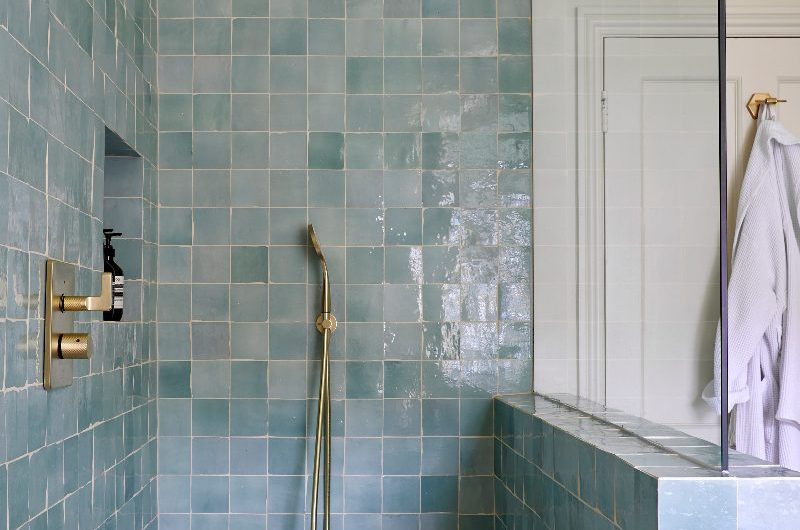
Getting the gradient on the floor right is another crucial element of an open shower design, says Charlotte Savidge, founder of interior design studio Styled Living. “A walk-in shower needs a consistent, controlled fall toward the drain to prevent pooling and overspill. With open showers that have tiled floors, I like to design in a small tiled ‘lip’. Even with a perfect fall, a little 2-4cm raised tile lip can be very helpful. It acts as a subtle barrier in case the drain becomes partially blocked,” she explains.
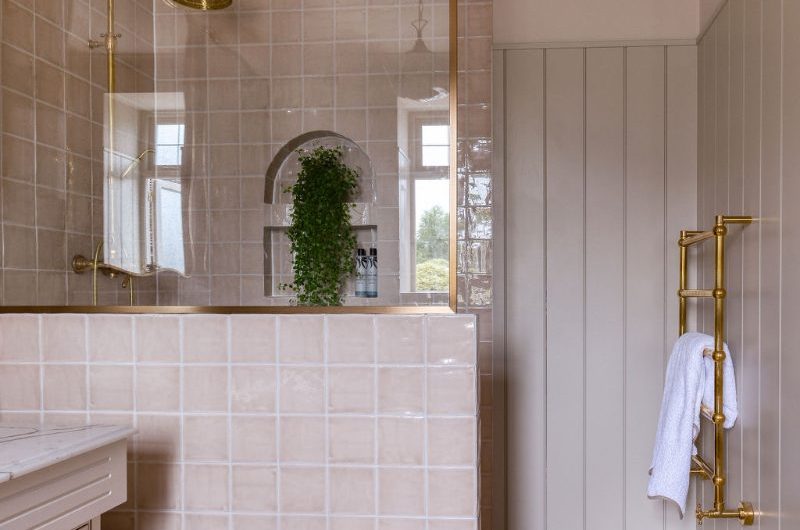
But if you prefer a flush wetroom-style floor, consider all the practical aspects of water control, advises Mariliz Lagou, founder of H2H Design. “Open showers are beautiful and functional, but it’s equally important to ensure the flooring is fully waterproofed for long-term durability and safety,” she adds. Which is why enlisting the help of an expert is recommended, to guarantee the success of your project and a safe showering environment. “Hire a builder or bathroom fit-out specialist experienced in this level of detail and finish, and a good tiler to accurately set it all out,” says Nick Richards, owner of HPH London.
Aesthetic value
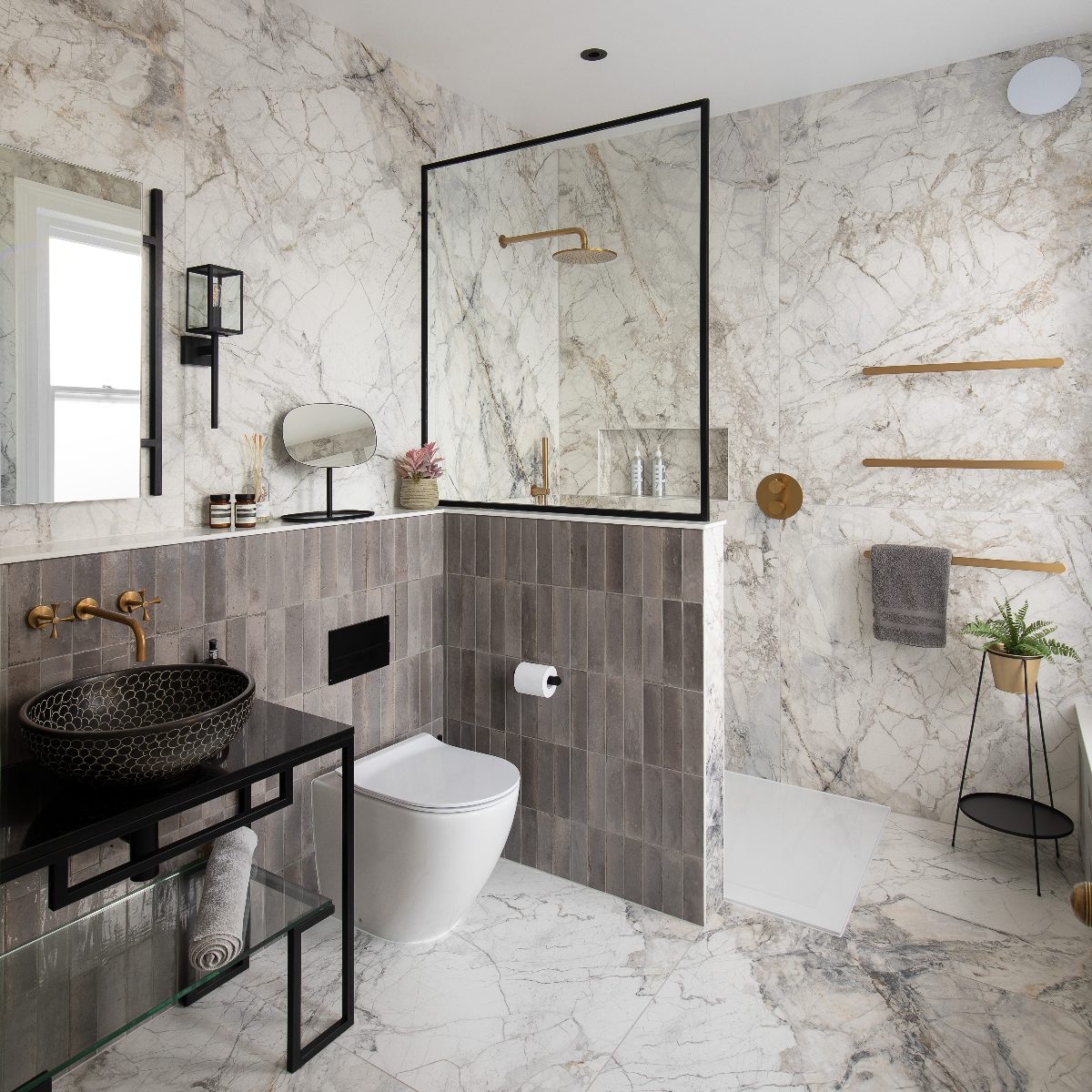
In terms of aesthetics, a half wall can truly become a standout shower design feature, Louise tells me. “It can house low-level niches, support valve controls, or double as a refined ledge, and, when tiled in harmony with the rest of the shower, it creates a cohesive, tailored finish,” she says.
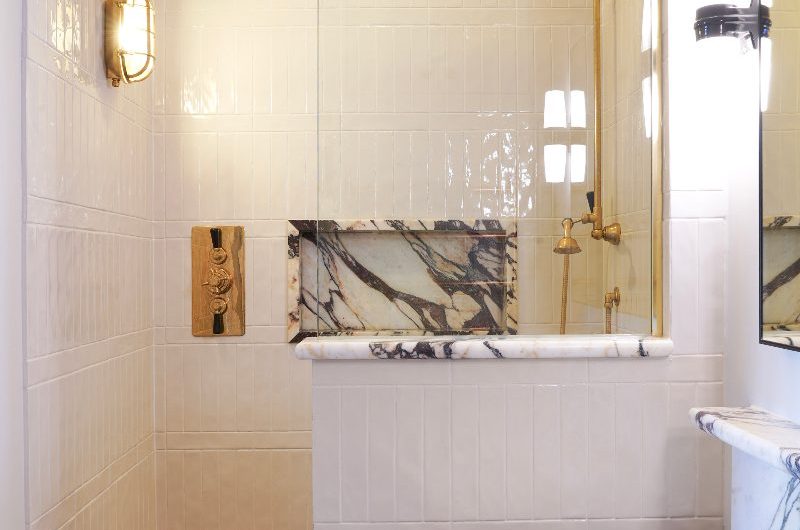
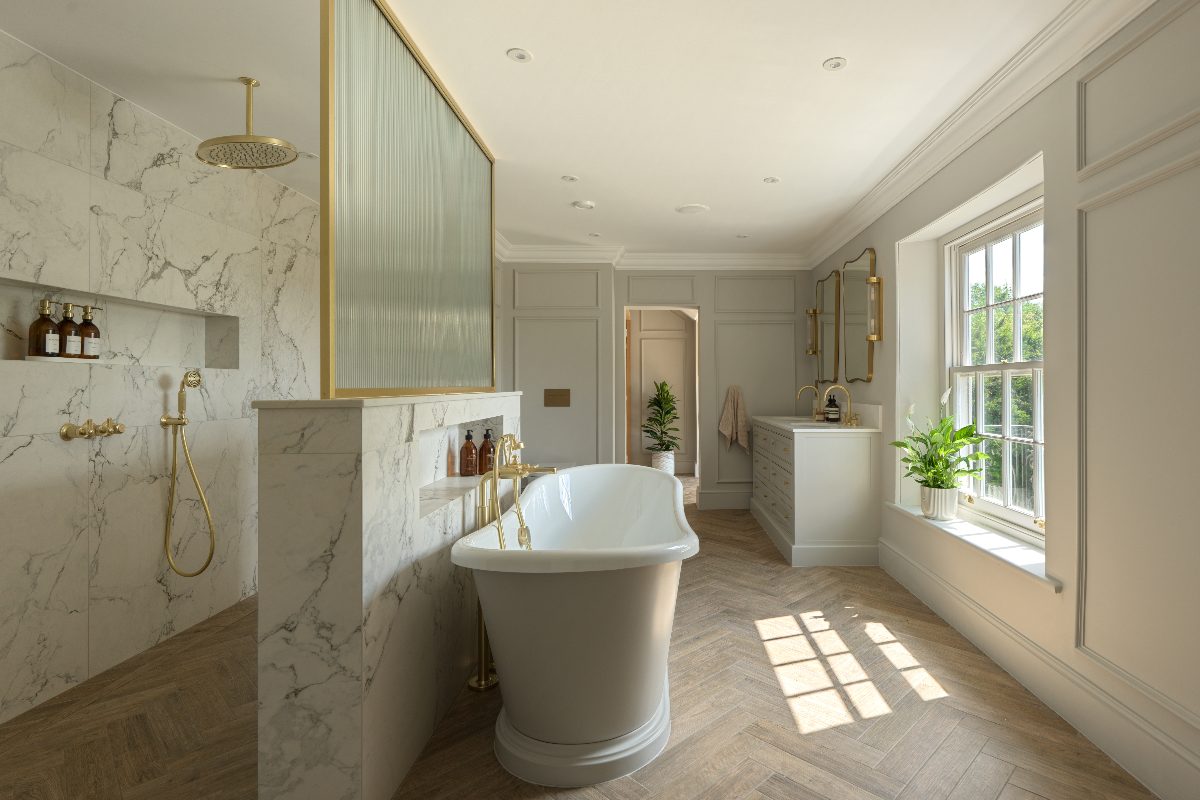
If you’ve got a large bathroom, you can use it to add architectural interest. “Positioning a walk-in shower behind the pony wall with a freestanding bath in front, complete with an integrated niche, creates a striking focal point and avoids the sense of fittings being scattered around the room. Instead, the whole space feels well-considered,” adds Louise.
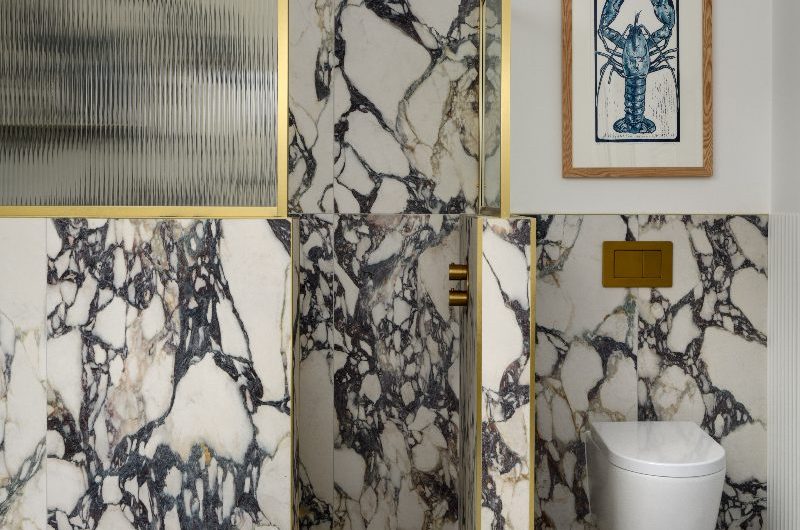
You can even choose to have a bespoke glass screen installed on top of the half-height walls. “We always ensure a completely flat surface on top of the pony wall for the screen to sit on, which typically involves finishing with marble or quartz – both for stability and to elevate the design,” notes Sophie, adding they often use yard offcuts to access more luxurious stones at a lower cost.
Finishing touches
With endless design opportunities, it’s the smaller details you might have not thought about that will complete your semi-open shower design. For example, Michael Lord, director at ML Bespoke Bathrooms, likes positioning the shower valve where you walk in, so you can turn on the water and let it warm up before actually stepping in.
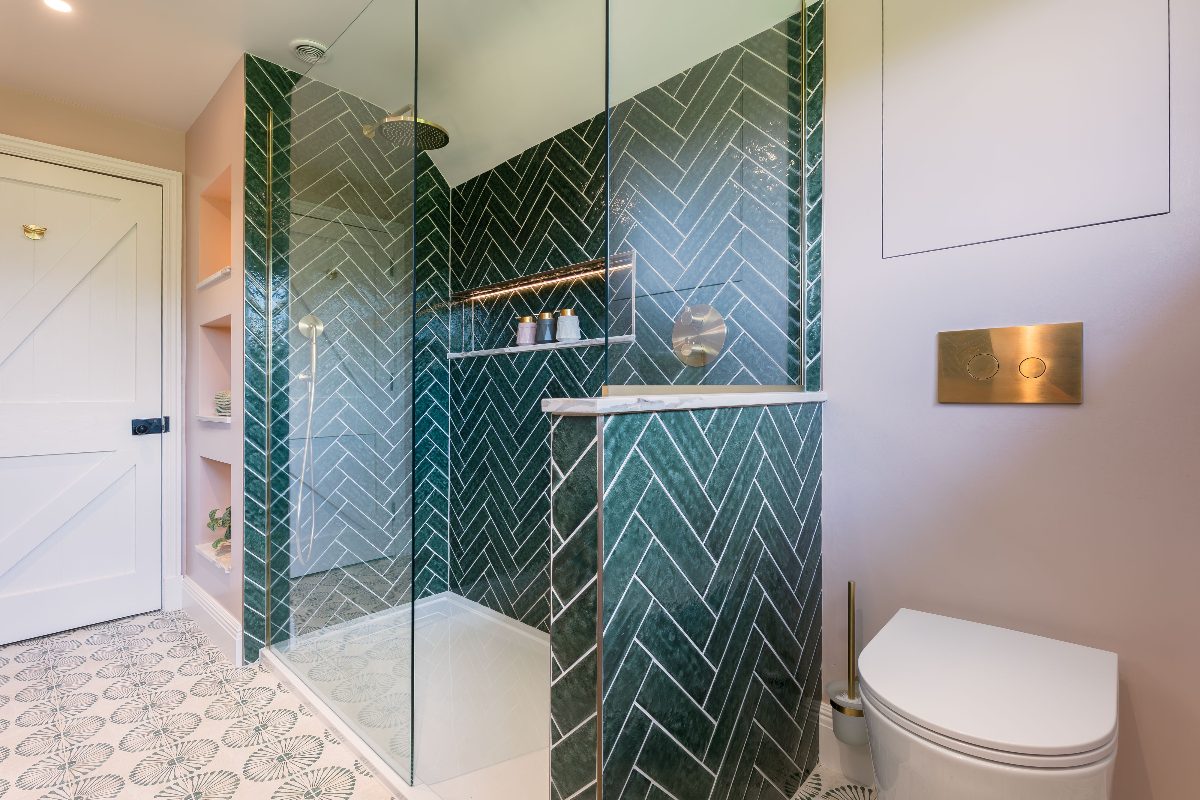
And if the space allows, include large niches to keep toiletries organised, which will also enhance your design’s practicality. “One of our favourite design tricks is building alcoves into the inner face of the pony wall, keeping all bottles and toiletries neatly hidden away for a seamless, clutter-free look,” Sophie agrees.
Lastly, you will need to be patient throughout the renovation process. “Producing a finish like this takes time, especially with made-to-measure materials such as glass and marble,” says Nick.
But the end result, although it comes with the higher price tag that’s attached to bespoke design, will ultimately elevate your everyday showering experience.
Spotted on social
Enjoyed this post? Click here for our guide to choosing a shower tray
About Post Author