Whether it’s about keeping the romance alive or preventing petty arguments, there’s a lot to consider when designing a couple’s bathing space. So, we’re asking the experts how to create a bathroom that’s made for sharing…
Just like relationships, creating a couple’s bathroom is never straightforward. To put it this way, there’s much more to designing it than simply installing two of everything and hoping for the best. It’s about enabling ‘togetherness’ without getting in each other’s way, and it should feel like a shared retreat; functional, beautiful, and generous.
Maximising space is vital, as well as ensuring each element works for more than one person. KBB journo Charlotte Luxford spoke to industry experts to discover the key to creating a successful shared space – where the right sanitaryware, materials, layout, and furniture all work in harmony to create the perfect pairing.
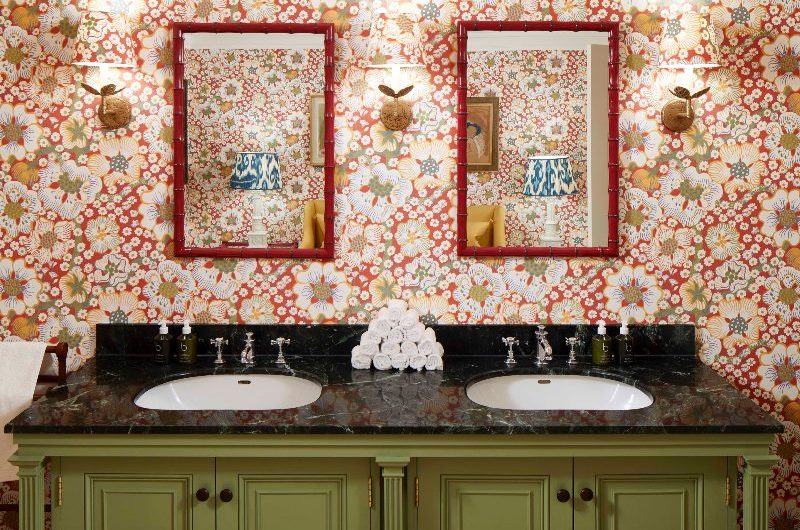
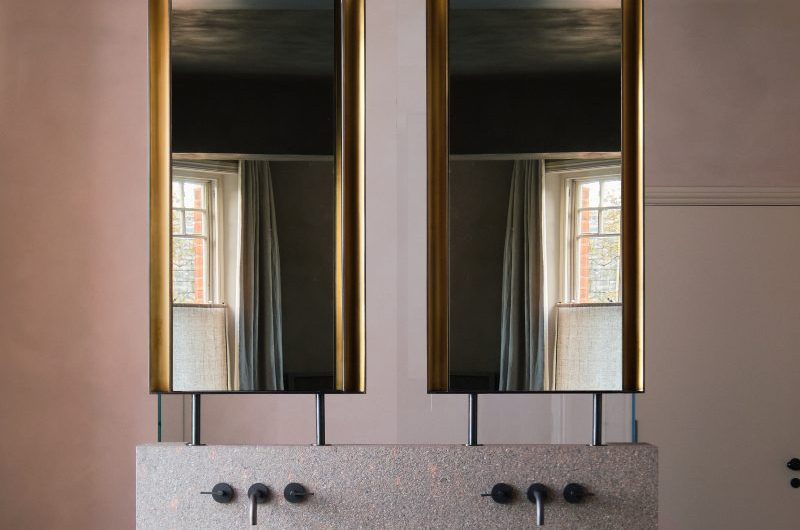
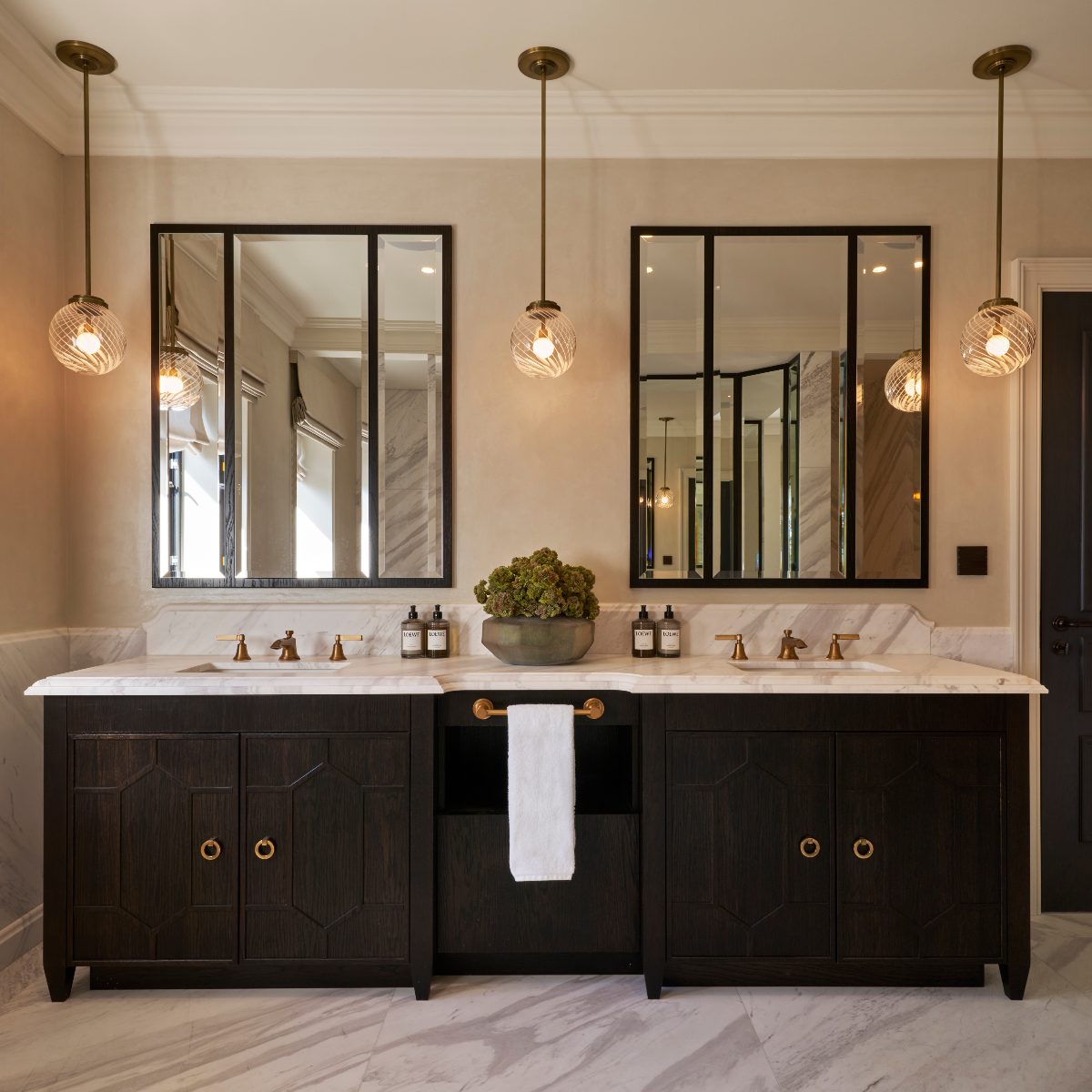
Opt for a double vanity
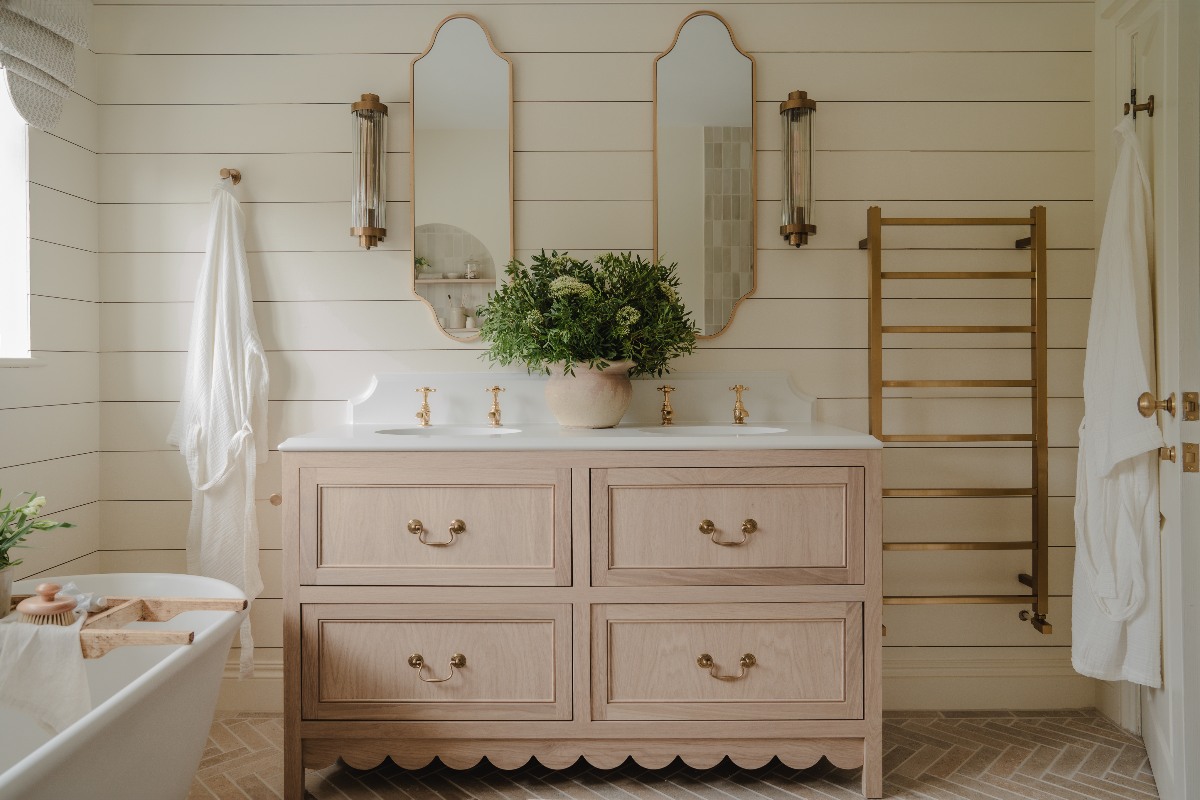
When I asked designers what the most asked-for feature is for a couple’s bathroom, the unanimous answer was a double vanity, which is perhaps unsurprising. Rather than jostling for a position at the sink, having two basins makes life a lot easier on busy mornings.
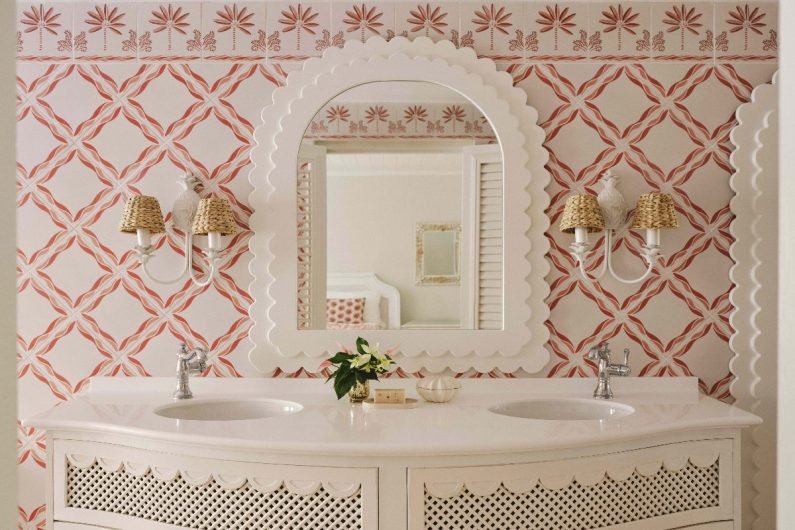
However, it’s worth noting that these can take up a fair bit of space. “From a planning point of view, double vanities require more width than people expect; I’d allow around 140cm as a minimum for two basins, or expand further if you want a central seated section,” advises Louise Ashdown, head of design at West One Bathrooms.

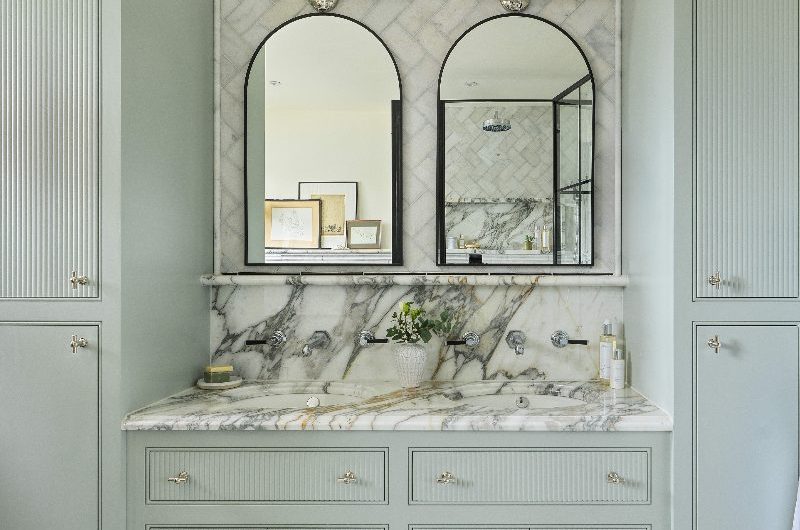
She also points out that drawer-based storage is far more efficient than cupboards, with deep drawers and internal organisers serving couples better. It’s also worth planning separate power points and lighting controls on each side, along with demister pads for the mirrors to avoid steam build-up after shared showers.
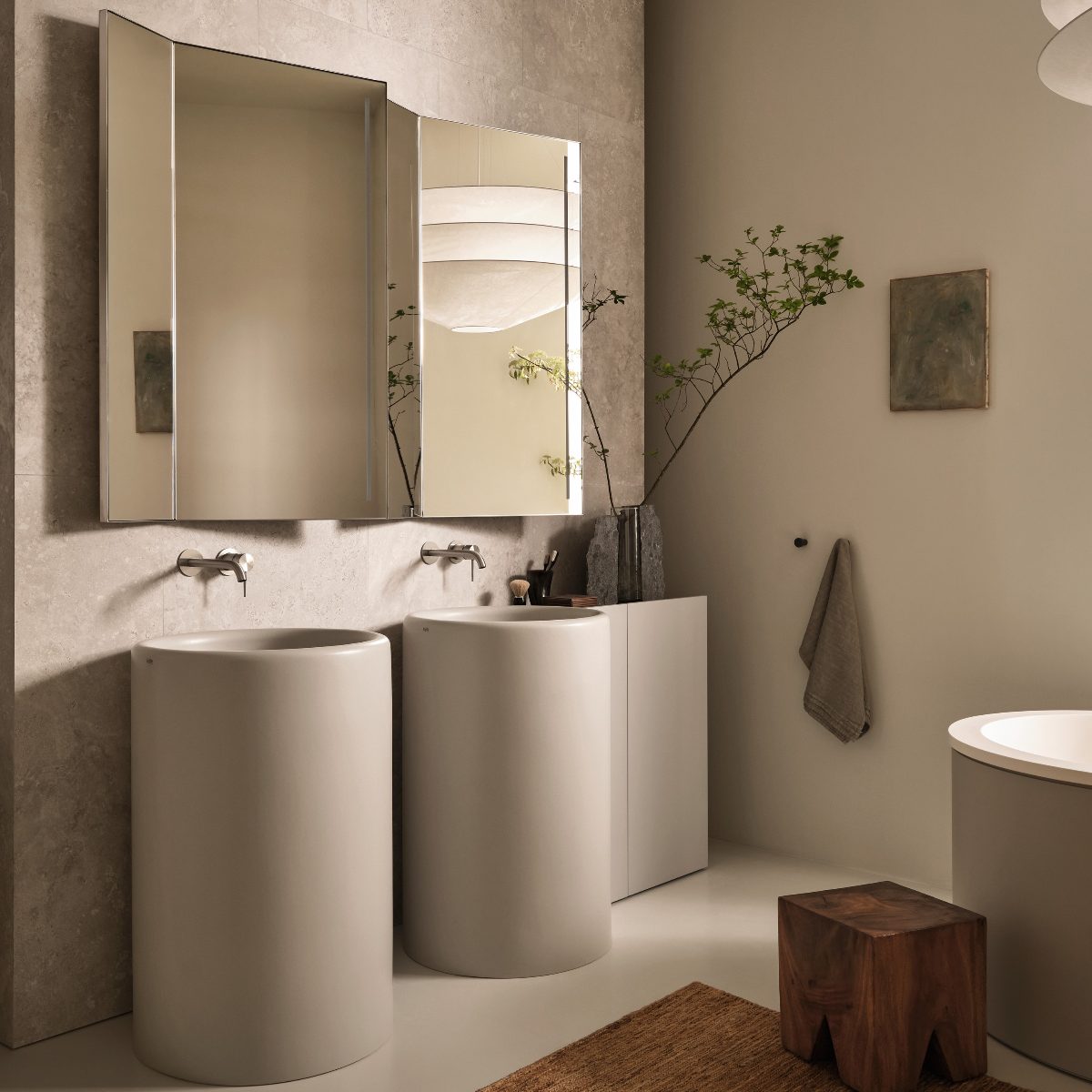
Consider your shower space
If you’re not bath people but prefer showering, it makes sense to plan for two if you’ve got the space, especially if you’re going to do away with the tub altogether. According to Alan Harrison, design consultant at Merlyn, the go-to feature these days is a double shower. “These double-space enclosures often feature separate controls, showerheads, and recessed nooks; the symmetry of both systems can really create a striking look in the bathroom.”
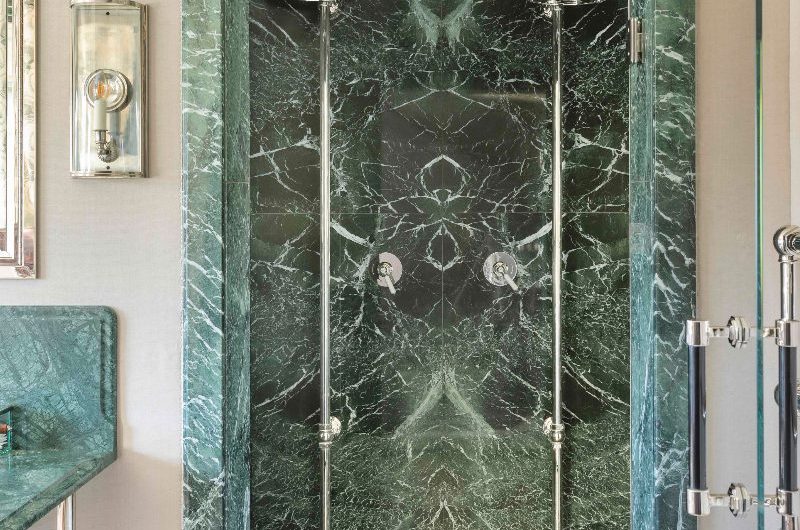
Walk-in showers also work well, allowing a couple to enter easily from both sides, plus you can still install two showerheads to ensure each person has their own space and preferred temperature settings. If you don’t have the space for two showers, opt for one extra-large rainfall showerhead, instead, for a spa-like experience.
Plus, you can still make one shower work more effectively for two; as interior designer Claudia Dorsch points out, it’s sensible to plumb in dual-valve controls as a minimum – one for the overhead shower “often used by men who wash their hair daily”, plus a handheld option. She advises to fix this on a slide rail to allow for height adjustment, and pick a round over a stick head, which is more comfortable for showering. “I find it terribly frustrating when I don’t want to wash my hair and I am faced with a stick that only fits into a waist-height holder,” she says.
Maximise the bathroom layout
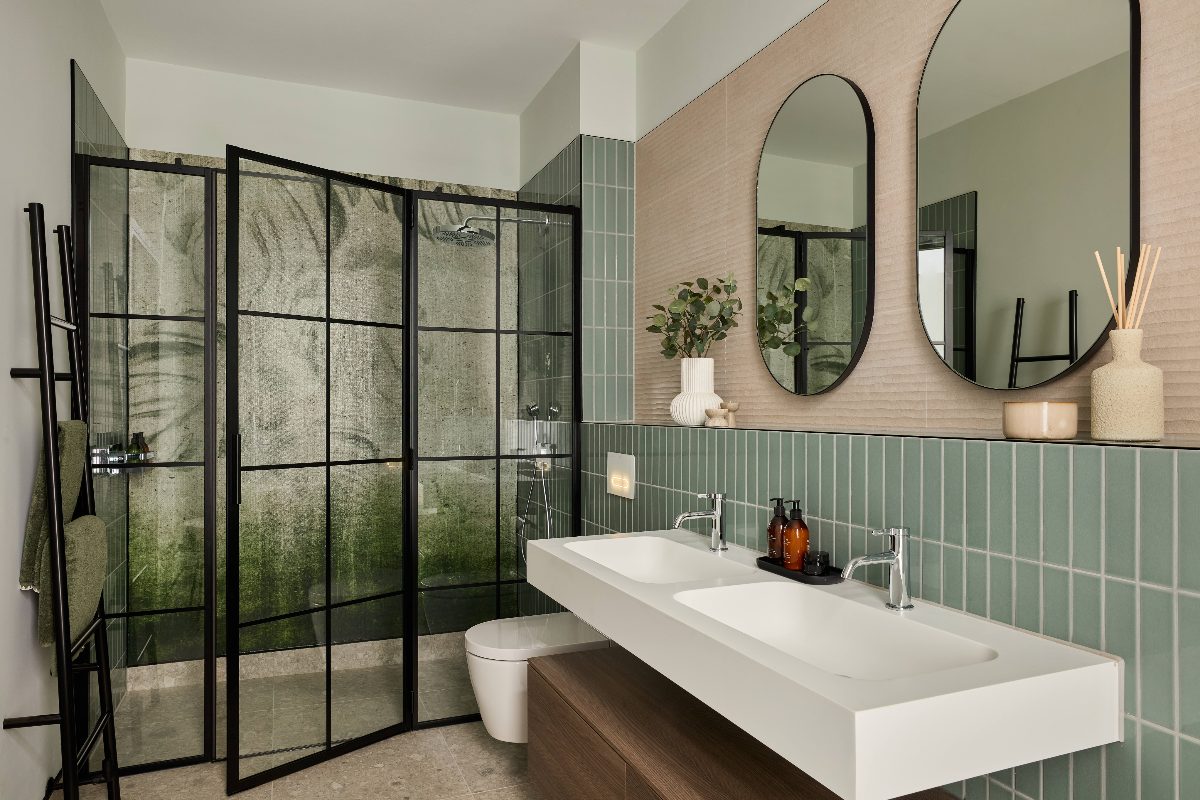
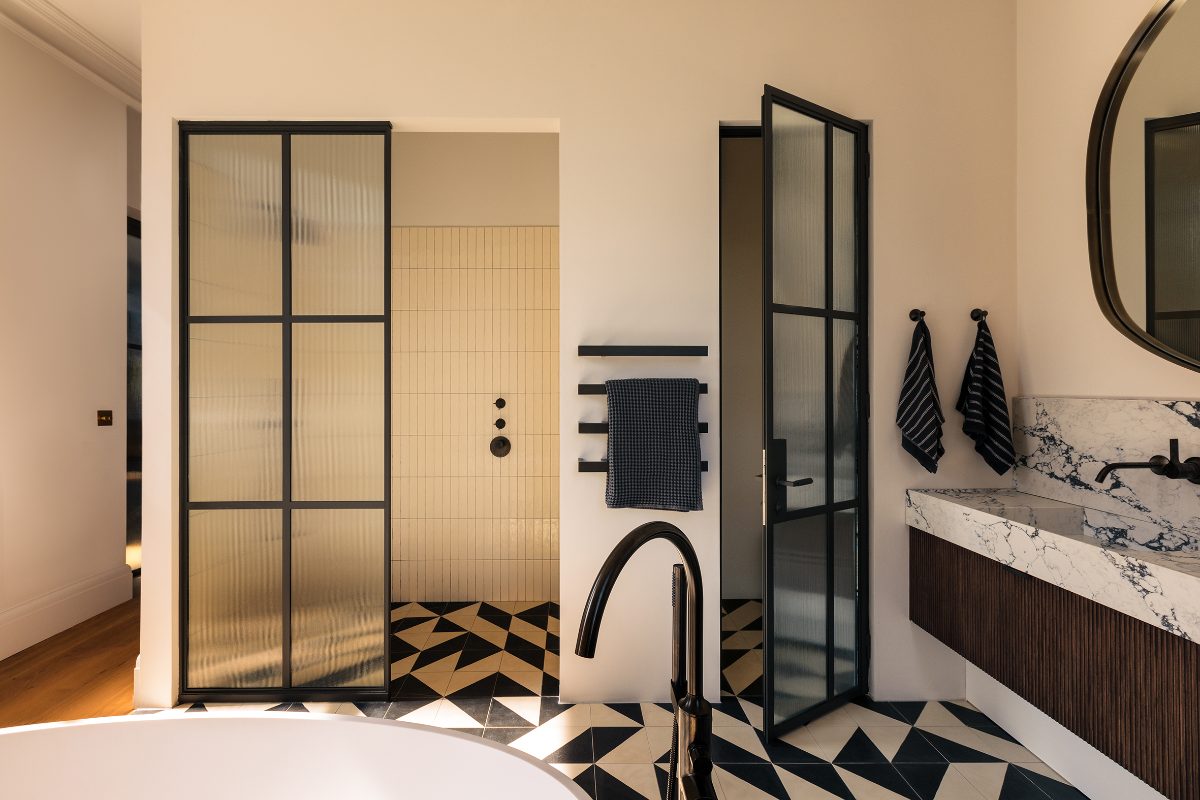
“When two people share a bathroom, the brief is simple: generous kit, fast routines, no clutter,” says Keeley Sutcliffe, design manager at BC Designs. To maximise space, Keeley advises keeping a 70cm clear route around key fixtures and avoiding ‘token’ additions that eat width. “For example, a tiny second basin on a short top causes more queueing than it solves, even though you may think a second basin will be an improvement,” she says.
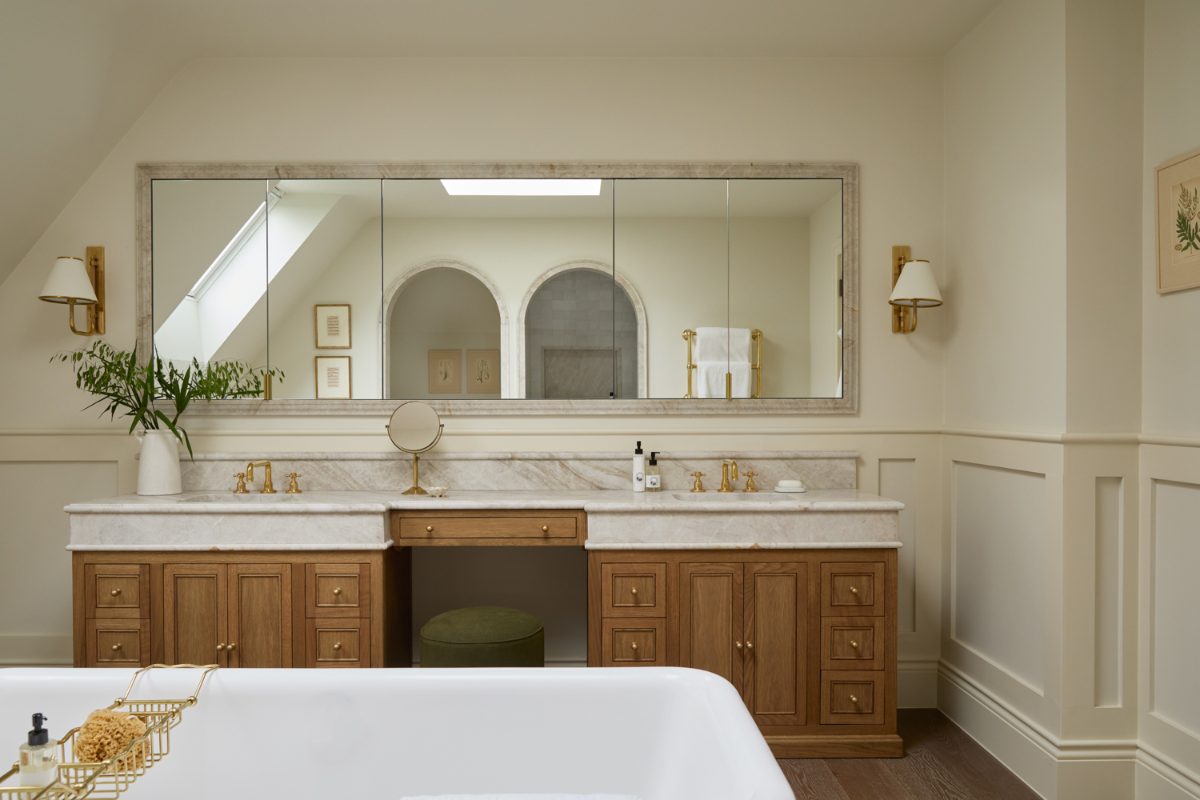
If space is tight, pocket sliding doors can gain crucial clearance in tight ensuites – the same goes for shower doors; opt for sliding or bi-fold designs over ones that open outwards.
While bathrooms for two are about facilitating couples being able to do things together or simultaneously, they’re also about factoring in privacy when needed. Paul Dwyer, managing director at Thomas Crapper, says the key is establishing distinct zones within the bathroom – such as a partitioned toilet area, screened walk-in shower, and a bathtub – in order to provide the necessary privacy for both users.
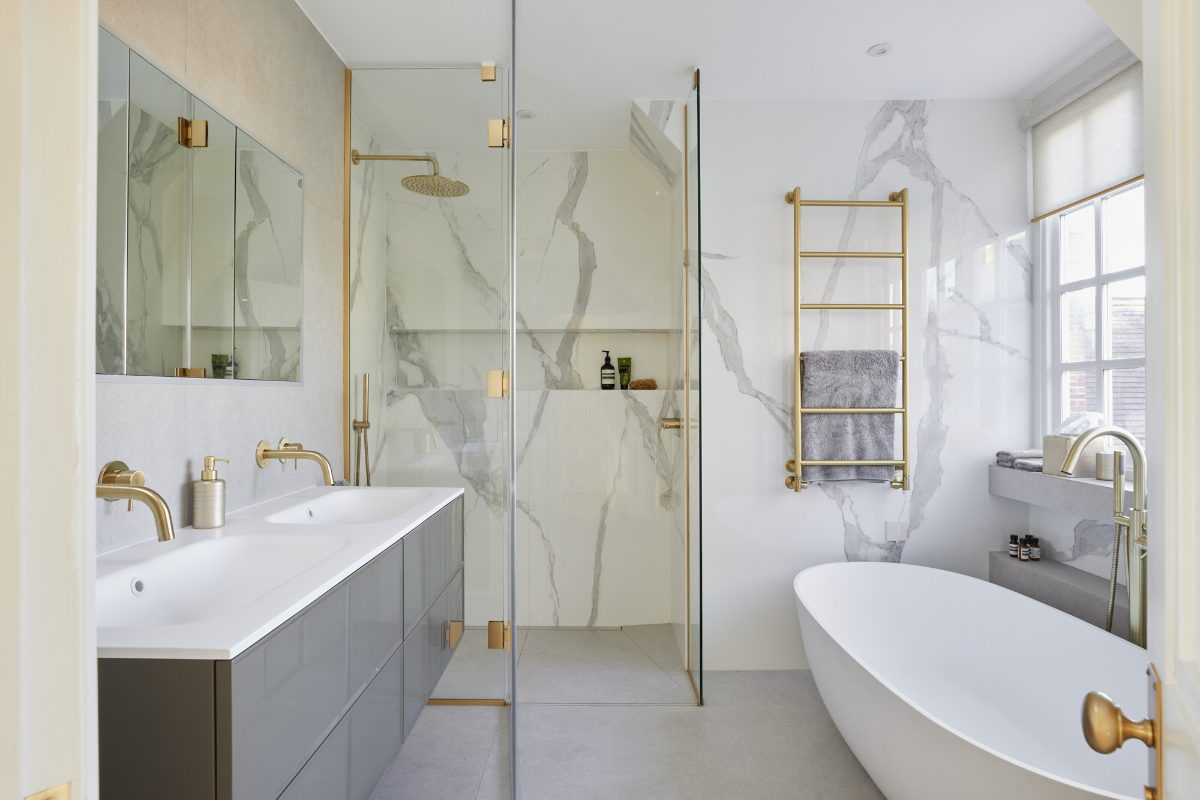
Shower ‘rooms’ that are self-contained can provide essential screening when a bit of ‘me time’ is required and your partner still needs to use the bathroom, and half-height pony walls can block the WC from view, especially in an ensuite attached to a master bedroom.
Choose the right tub
When it comes to baths, you’ll want to consider double-ended designs with sloping sides; even if it feels a bit daft, it’s worth jumping into the tub in a showroom to actually see if you both like it and can squeeze in together comfortably. While most baths are around 170cm long, there are longer designs on the market for that bit of extra legroom, as well as wider designs.
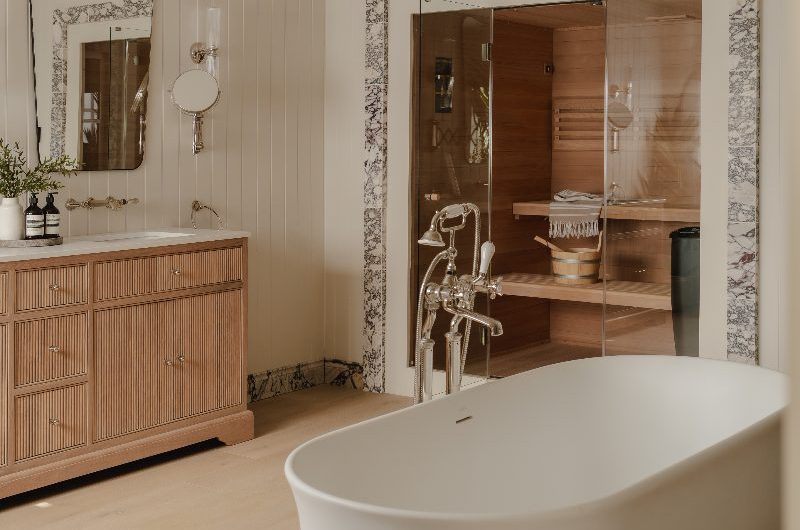
You’ll also want to make sure the taps and drain are positioned centrally – no-one wants to be lumbered with the ‘tap end’. Another alternative is a Japanese soaking tub; some will even come with features like built-in seats or specific two-person designs.
Create the illusion of space
Let’s be honest, most couple’s bathrooms are usually an ensuite or a relatively compact space, so maximising your floorplan is key, both practically and aesthetically. “Think floating vanities with shadow gaps, tall storage cabinets with hidden compartments, and illuminated open shelves that double as display space for personal items,” says Martin Carroll, managing director at Duravit UK. Go wall-hung over freestanding wherever possible if space is tight, and consider curved-edged furniture to save space and soften the overall look.
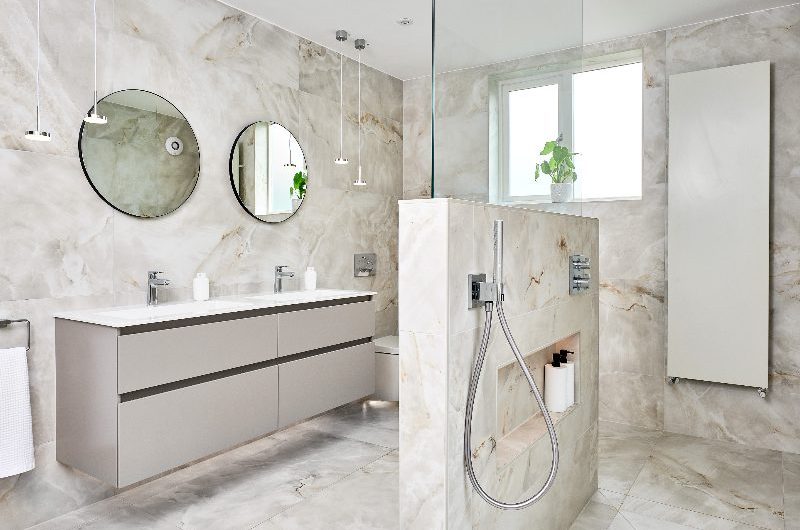
Recessed storage is also key; built-in mirrored cabinets, shower niches, and boxed-in plumbing that can double up as ledges can all help to maximise space. “Design-wise, large-format tiles and the clever use of mirrors can make the room feel lighter and brighter, creating a more spacious feel,” advises Matthew Kallum, founder of Kallums Bathrooms. Claudia also suggests ‘tile drenching’ – essentially opting for the same material for walls and floors to “elongate sight lines and calm visual noise”.
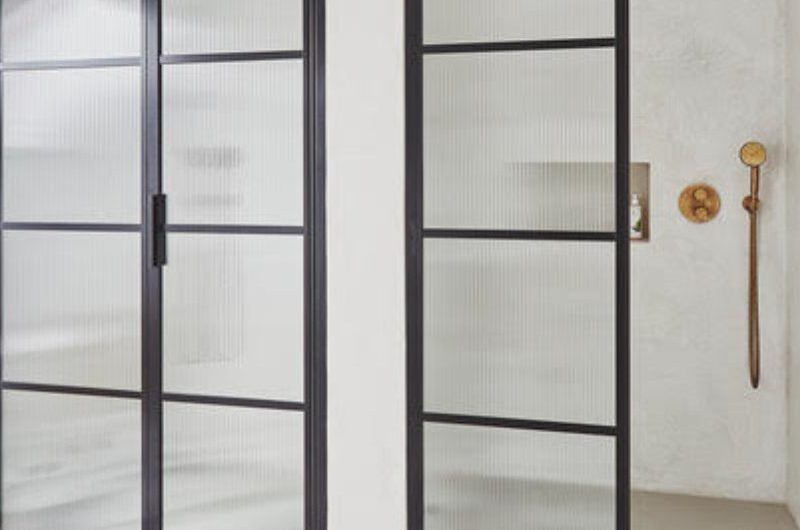
Lastly, symmetry makes all the difference in a couple’s bathroom. “Matching basins, mirrored storage, and balanced lighting help create a sense of calm and cohesion, which matters when two people share the same space,” says Gareth Davies, design director at Classic Interiors.
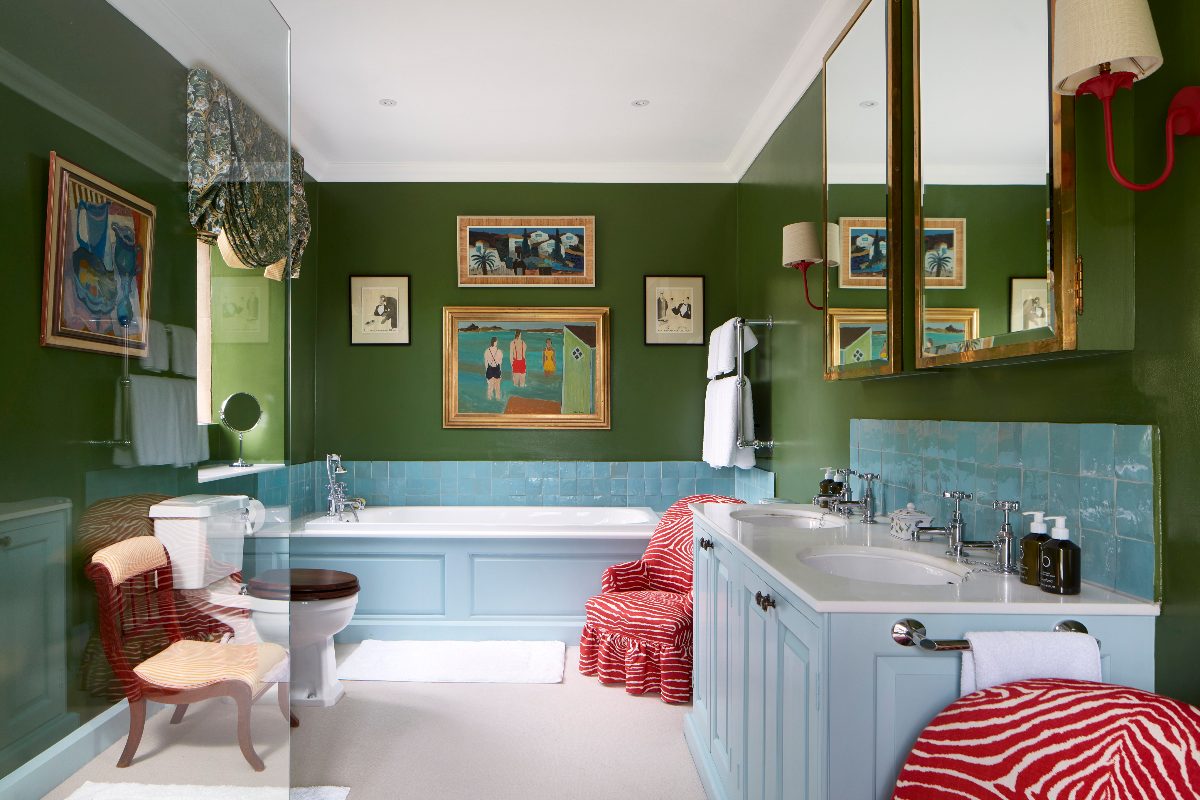
Don’t forget the design details
“The elements to really invest in and make sure you get right is water pressure, extraction, and heated surfaces you touch every day, while on the other hand, statement fittings that reduce set-down space or complicate cleaning are things to avoid,” says Keeley.
Since bathrooms for two see a lot of heavy usage, there should be a balance between durability and atmosphere when it comes to choosing materials. Porcelain is one of the most practical foundations as it stands up to daily moisture and movement without needing sealing, and newer designs “capture the look of natural stone or marble with remarkable depth and texture,” says Grazzie Wilson, head of creative at Ca’ Pietra.
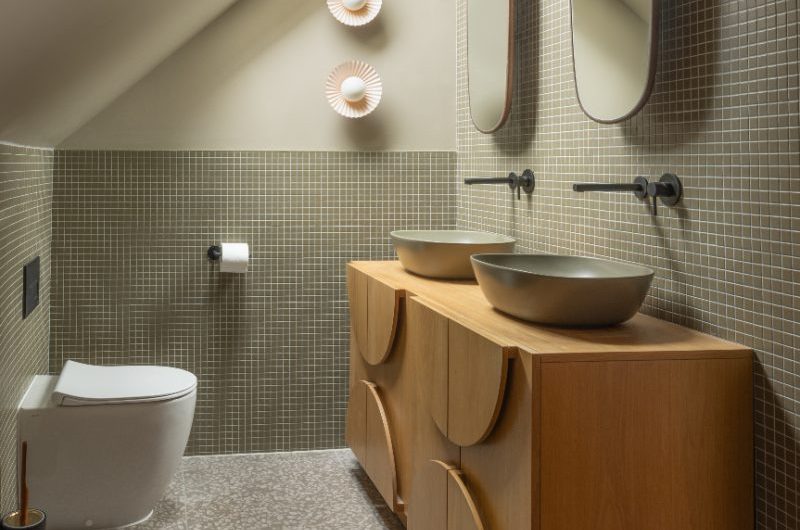
Lastly, small details like double hooks for robes and ample space on the heated towel rail for towels are minor in the scheme of things, but can make a difference in the long run when sharing a space, helping to avoid any petty arguments, too. “A couple’s bathroom should feel calm at 6am and inviting at 9pm, and that comes from a smart layout, thoughtful details, and robust, easy-care materials rather than sheer ornament,” adds Keeley.
Enjoyed this post? Click here for the latest smart bathroom tech
About Post Author