From waterproofing, drainage, and clever storage ideas, to maximising every precious inch of space, we show you how to create a stylish wetroom…
Suitable for bathrooms of all shapes and sizes, and particularly space challenged ensuites, wetrooms are becoming increasingly popular, says KBB journo Amanda Cochrane. There’s no need for a shower tray or an enclosure, and the result is a chic, spa-like space that feels open and contemporary.
But what really is a wetroom?
Typically, a wetroom is a fully waterproofed or tanked bathroom space where the shower area is level with the rest of the floor. This means the water escapes away through a drain set into the floor, resulting in a space that feels open, cool, and contemporary.
“A wetroom is an open-plan bathroom design where the shower area is integrated into the overall space without a separate enclosure,” explains Marcus Pearson, head of design at Nuie. “We have seen an increase in wetrooms becoming a desirable, luxury feature, as so many people lead hectic lives and want to transform their spaces into something more practical, making the most of what is available to them.”
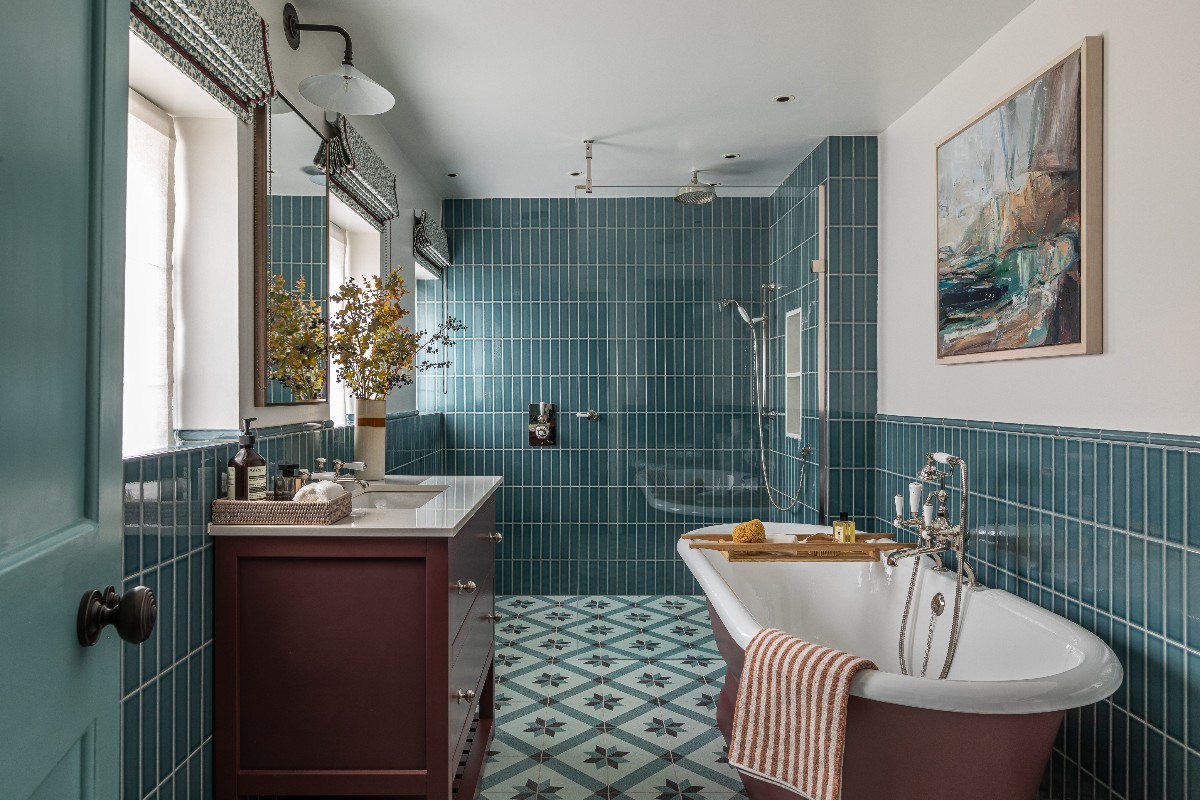
Why should I choose one?
Both a wetroom and a walk-in shower offer a sleek, streamlined look; the difference lies in how each shapes your space. A walk-in shower can create an open feel, but the shower tray and enclosure may interrupt the immersive effect. “A wetroom blurs the boundaries, creating an uninterrupted flow that feels quietly indulgent,” says Carly Allison, head of brand and product at Fired Earth. “It’s a bold statement that can make even a small bathroom feel more expensive.”

Do I need tanking?
In a word, absolutely. Tanking is the process of making your wetroom space completely waterproof, using membranes, sealants, or special boards. It’s essential in wetrooms as it protects substructures from moisture damage and also ensures long-term durability.
And while it’s possible to just tank the shower area, tanking the entire room ensures better waterproofing, especially in small spaces where splashes can reach other areas. Plus, full tanking minimises long-term risks. Let’s be real – no one likes a stained ceiling.
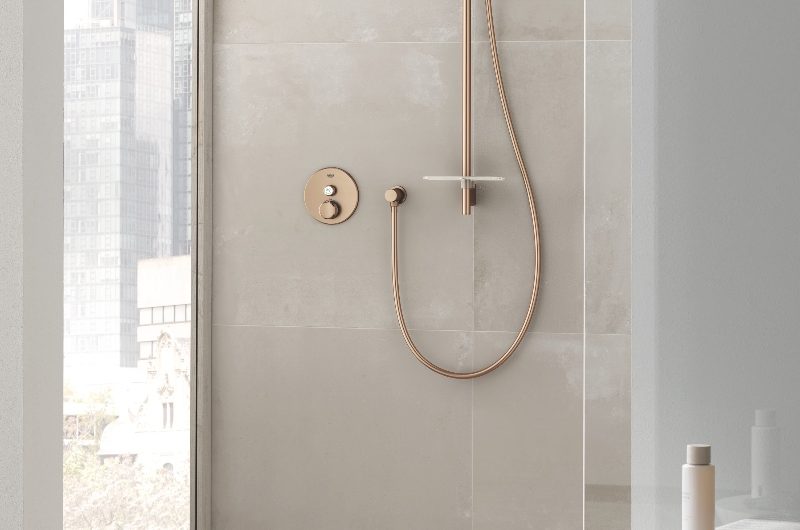
Wetroom fundamentals
One of the most important considerations when planning your new wetroom project is working out the drainage and waterproofing, and this is where you need to consult the experts. “Wetrooms are practical, particularly in small bathrooms, or when accessibility needs are involved,” advises Robert Whitaker, creative director at Claybrook. “However, they require expert installation, good drainage, and waterproofing to prevent moisture problems and water damage.”
You will need a floor that slopes gently towards the drain, usually between one to two centimetres over a metre, and the use of waterproof membranes is essential to prevent leaks. Additionally, walls and floor should be sealed correctly, and it’s important to choose materials that can withstand constant moisture.
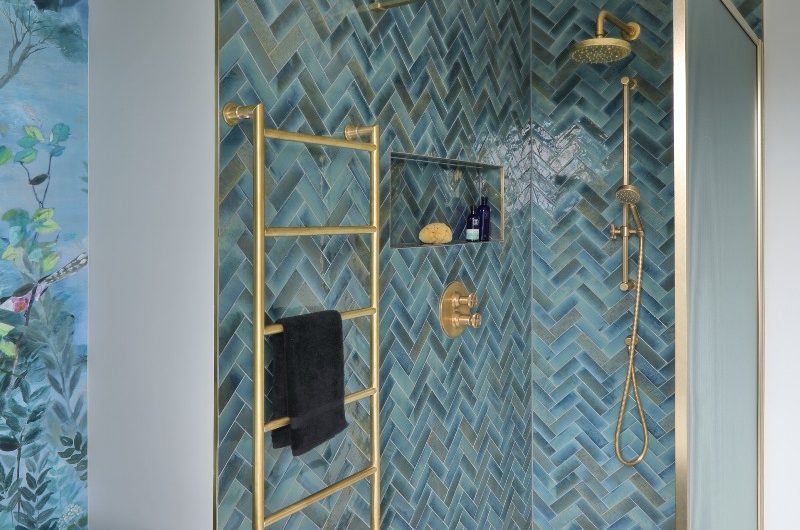
You’ll also need to work out sufficient ventilation to reduce humidity, and the correct location of the drain to avoid pools of water. Remember to factor in any plumbing and electrical systems early on in the project, too, to avoid costly changes later down the line. Good lighting and clever storage solutions will also help make your new bathing space look and feel stylish, functional, and cosy.
How practical is a wetroom?
As mentioned, wetrooms work especially well in small bathrooms, as they help to create a feeling of space and, with no tray or doors, are easier to clean and maintain. You’ve fewer surfaces, grooves, and crevices to scrub, so you’ll spend less time on your hands and knees trying to keep the space sparkling, and more time enjoying your new shower room.

Wetrooms are also incredibly accessible, allowing step-free access, and work particularly well for anyone with mobility issues. And, if you’re considering future-proofing your home, they’re an excellent idea.
“In smaller bathrooms, removing bulky trays or enclosures can make the space feel dramatically larger,” comments Dilan Filiz, interior designer at Urbanist Architecture. “They also future-proof your home. No steps, no thresholds – just a seamless surface that works whether you’re 25 or 85.”
The budget
On the downside, wetrooms are often more expensive to install, due to the need for specialist waterproofing and proper drainage. And, if not carefully designed, a wetroom can cause water to splash into other parts of the bathroom.
If you’re designing a wetroom in an existing home, think about the waste route, floor structure, drain location, and size of the space. Also, consider where to put fixtures and, if there are any windows nearby, they should be kept clear of the shower area to minimise splashing and the risk of long-term water damage.
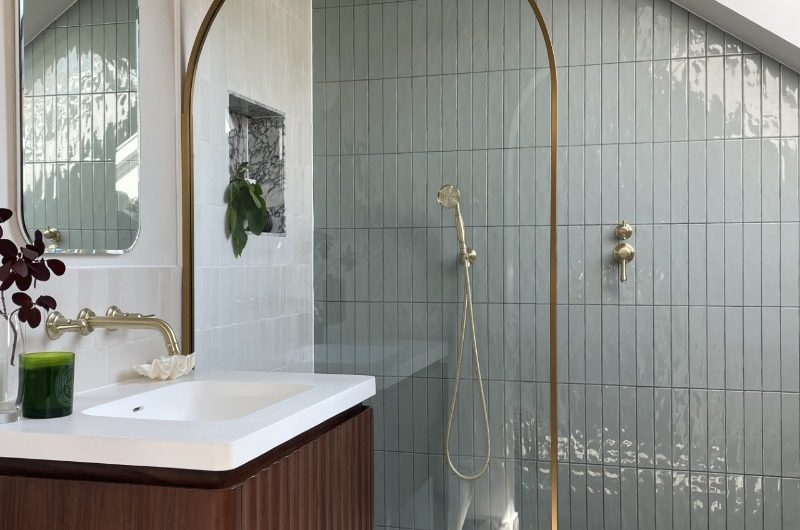
Moreover, in older homes with structural issues, poor ventilation, or where retaining a tub is important for resale, you might have to think again. “It’s best to avoid installing a wetroom if your bathroom is in an older property with timber floors that might struggle with moisture, or if the space isn’t suitable for proper drainage and waterproofing,” advises Gareth Davies, design director at Classic Interiors.
The design
When deciding on the style of your new space, you need to have a clear idea about your scheme before getting carried away buying all the chic designer products. You also need to think about who will be using the space. For example, you might find that a simple overhead shower paired with easily accessible thermostatic controls is all that’s needed, particularly if accessibility and ease of use are your main priorities.
“Start with the fundamentals: structure, slope, and sealing,” recommends Dilan. “The floor needs a subtle gradient to guide water to a discreet, efficient drain. Every surface has to be waterproofed, not just water-resistant, and that’s where the technical groundwork matters. Once the invisible systems are in place, then comes the layout: where the water lands, how the steam moves, how a mirror stays mist-free.
“In UK homes, you’re often working with awkward footprints – narrow Victorian bathrooms or converted lofts – so, spatial flow becomes everything. We tend to lean into large-format tiles, integrated storage, and clear sightlines to keep things feeling open. And of course, materials matter: textured porcelain for grip, brushed brass for warmth, microcement for calm.”
Wetroom trends
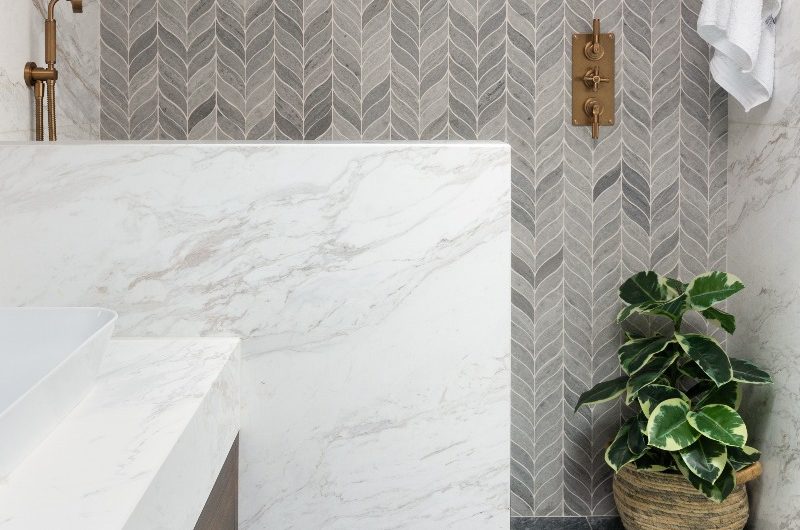
A minimalist aesthetic works perfectly in a wetroom so think straight lines, contemporary finishes, large-format tiles to reduce grout lines, and a linear drain topped with matching floor tile to make the drain almost invisible. A tiled, built-in shower niche eliminates the need for a wall-mounted basket or a caddy, according to the Beams Renovation team. “Modern finishes like stainless steel or matt black on contemporary brassware and accessories pair nicely with stone-effect tiles,” they add.
Where does it work best in the home?
Wetrooms tend to work well in ensuite bathrooms, loft conversions, smaller or guest bathrooms, where efficient use of space, accessibility, and a contemporary design are the main priorities. And if you’re considering placing one on the ground floor for an ageing family member or someone with a disability, for example, this can simplify drainage and waterproofing issues.
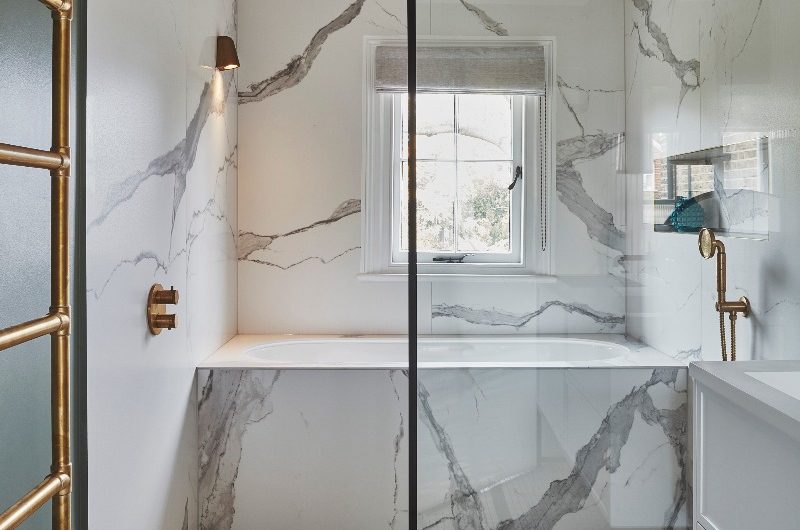
“Wetrooms shine in ensuites, where you can create a sleek, hotel-like feel without needing much floor space. They’re also ideal for ground-floor bathrooms, especially in extensions or accessible layouts, where a level-access shower can make a big difference,” says Dilan. “That said, with the right design and waterproofing, a wetroom can go almost anywhere – lofts, basements, even under staircases. But that doesn’t mean it should. You’ll need proper drainage fall, good ventilation, and access to pipework – otherwise you’re just setting yourself up for damp patches and expensive repairs.”
Will a wetroom add value to my home?
Adding value to your home will always depend on the quality of the design and the target buyer, and in smaller homes, for example, a family may prefer a bathroom with a tub. Simply put, a wetroom adds the most value when it complements, rather than replaces, your existing set-up.
“A well-executed wetroom can absolutely add value, but only if it’s done properly,” says Dilan. “Buyers are increasingly drawn to homes with modern, low-maintenance bathrooms, and wetrooms tick both boxes. They feel sleek, open, and luxurious, especially in smaller homes where space is at a premium. That said, quality is everything. If waterproofing is flawed or the drainage isn’t right, it can become a liability rather than a selling point. It’s also important to keep at least one traditional bathroom in the home.”
The pros and cons
Wetrooms offer a modern and fresh aesthetic, they are very easy to keep clean, can open up your space and make it feel seamless, are space efficient in small bathrooms, and offer excellent accessibility – they’re very useful for wheelchair users providing the door opening is wide enough. And, if done correctly, you can achieve amazing results.
However, there are higher costs involved – expect anything from £3000 to £10,000 depending on the size of the space, choice of materials, drainage work, and labour. “High-end designs or complex installations may exceed £15,000 or more,” says Robert. Additionally, you’ll face complex installation, the potential for leaks, and water spread if the design or drainage is poor. And, if you’re determined to get ahead in an older property, retrofitting is even more expensive and complicated.
Enjoyed this post? Click here to find out all about the super-popular shower room
About Post Author