From creating a shower niche to exploring innovative and smart storage solutions in the kitchen, we’ve got a raft of amazing ideas for you…
It may seem like the simplest of ideas, but a well-designed shower or kitchen niche offers many practical and aesthetic benefits, says KBB journo Amanda Cochrane. By building storage into the wall or other unused space, you can avoid cluttered floors or protruding shelves that can interrupt clean lines, and create a seamless kitchen and bathroom design into the bargain.
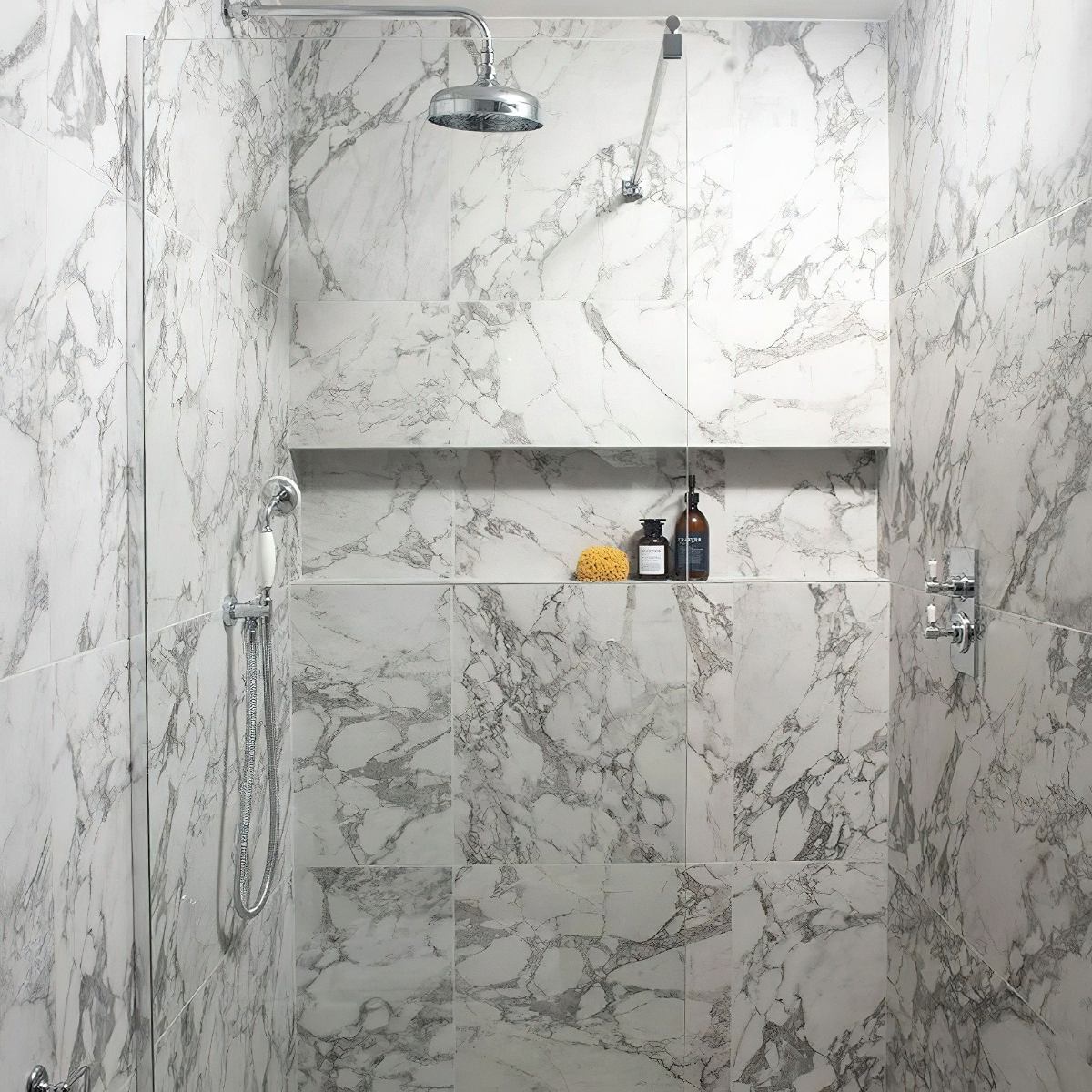
“A shower niche is an absolute must in bathroom design planning and it’s something I always recommend to clients,” advises Lara Clarke, founder of Lara Clarke Interiors. “No one wants a wire basket in the corner getting in the way, and a niche adds a stylish yet practical addition to the shower.”
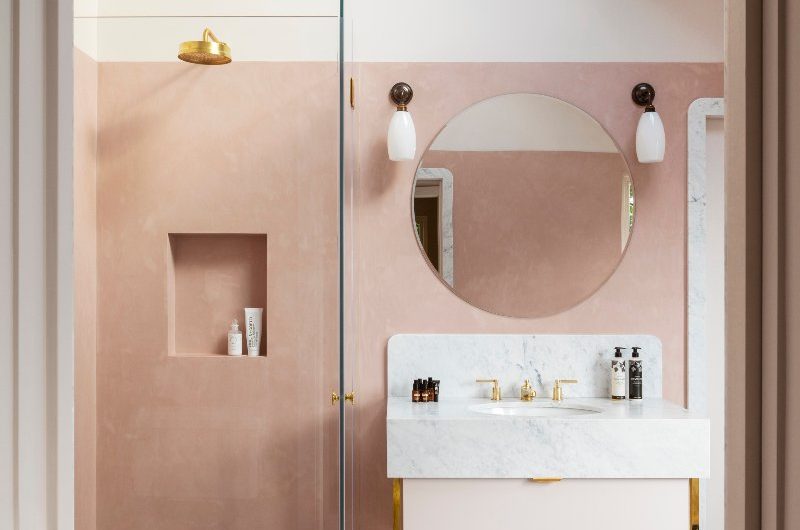
Creating your bathroom niches
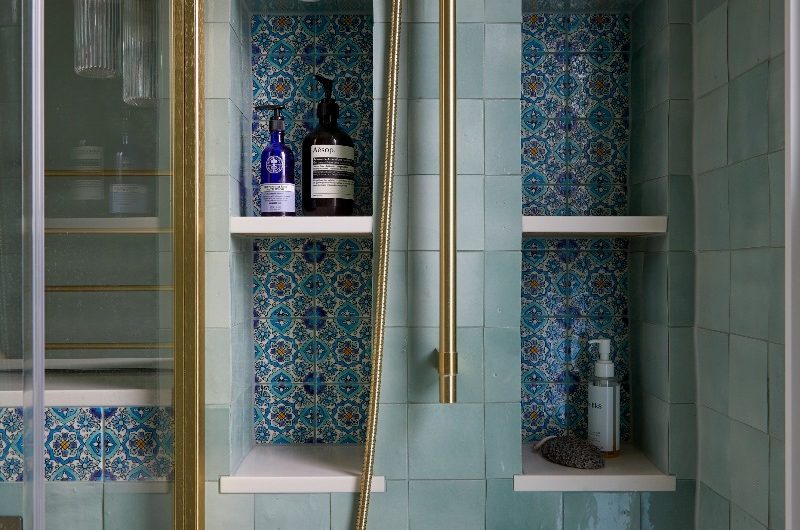
A shower niche is incredibly useful in shower rooms and smaller bathrooms, as it offers convenient and stylish built-in storage. No more unsightly bottles on the floor ensures a clean and streamlined look. Keep in mind there is no ‘one size fits all’ for a bathroom niche as it really depends on what you’d like to have out on display but, as a rule of thumb, a family bathroom will benefit from a larger or multiple niches to accommodate several products, while an ensuite or guest bathroom tends to work better with smaller and more streamlined options.
“Typically, the dimensions should be 600 x 300mm for a shower and 800 x 200mm for a bath,” says Matthew Kallum, founder of Kallums Bathrooms.

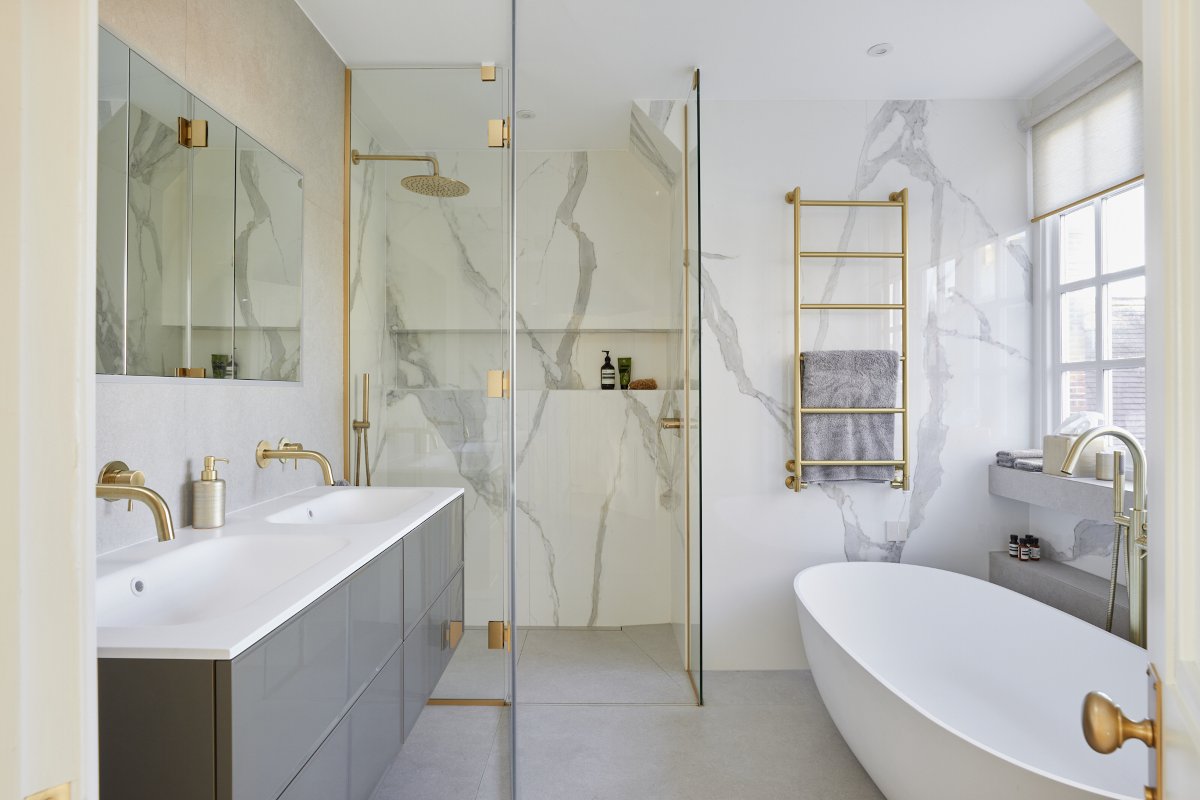
“It depends on the size of the space, and you need to factor in how much room you need for your tallest toiletries,” adds Matthew. The correct placement is key to making your bathroom niche truly functional. “Ideally, it should sit at a comfortable arm’s reach, positioned on a side wall or the back wall rather than directly under the shower spray,” suggests Louise Ashdown, head of design at West One Bathrooms. “In bathrooms with a bath, a long horizontal niche above the bath can be particularly effective, allowing products to be accessed easily whether you’re bathing or showering.”
Plan ahead
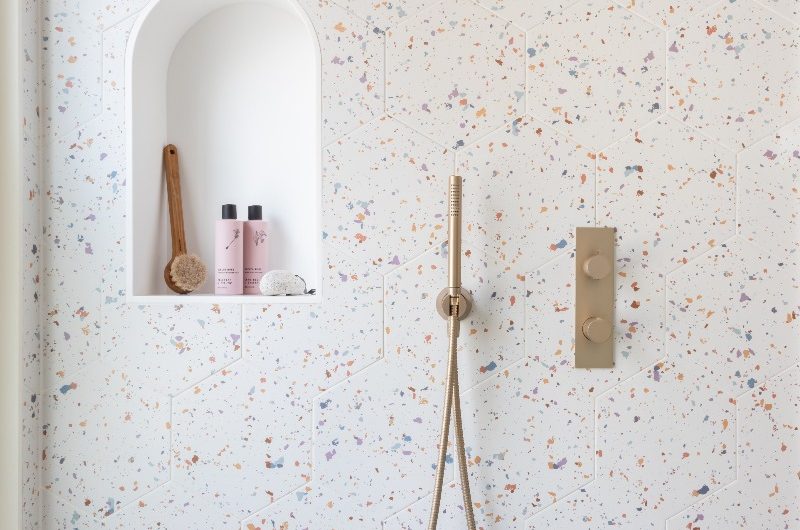
When thoughtfully planned and executed, a shower or bath niche becomes far more than simple storage – it’s a stylish design feature that will enhance the function and overall feel of your bathroom space. It’s important to consider the design of the niche early on in the project – before plumbing or other building works – and don’t forget to take into account the size of tiles you are using.
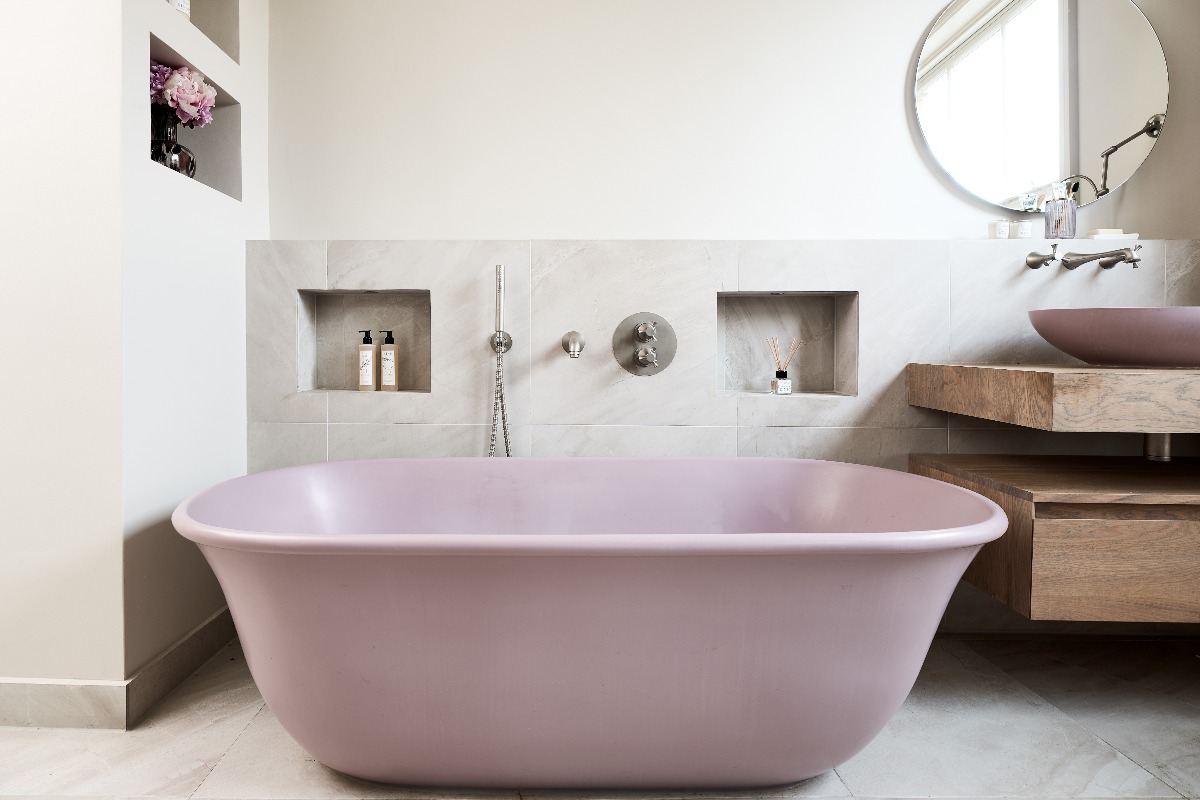
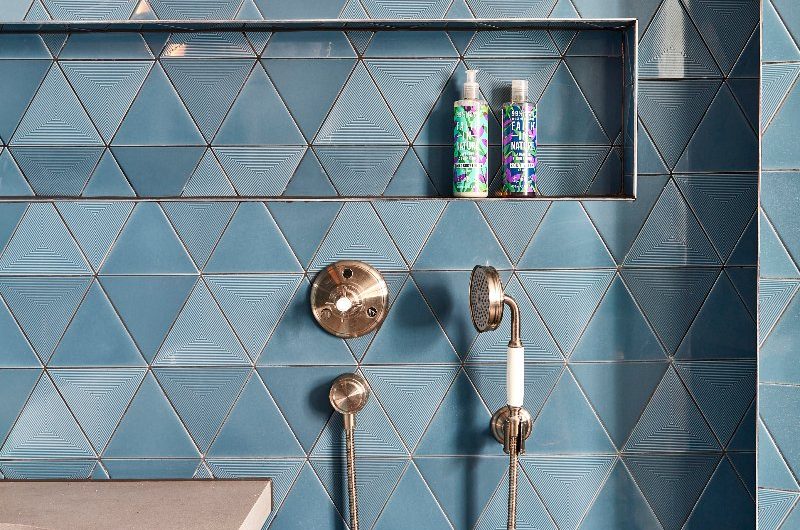
The dimensions of the niche – the width and height – should match a full or half tile, for example, to ensure there is a clean and integrated finish. “Niche placement needs to align with stud work, waterproofing, tile layout, and lighting,” adds Katerina Tchevytchalova, director at K’Arte Design. “An early decision avoids costly adjustments later.”
What kind of tiles to use
Your choice of tile – whether it’s for a shower or bath niche – needs careful consideration as not all tiles are up to the job. Mosaic tiles, for example, look incredibly stylish but need a lot of grout lines which, in turn, means lots of maintenance. Mould is also a risk if the drainage isn’t perfect.
“Porous natural stones that are unsealed, such as travertine with open holes, some marbles, and limestone, can absorb water and harbour bacteria, unless meticulously sealed and maintained,” advises Matt Phillips, head of UK operations at Rotpunkt.
Making the most of your kitchen space
Kitchen nooks are among the most effective ways to unlock overlooked space and improve day-to-day functionality in this hardworking room. Consider corners, slim wall sections, and transitional zones. They are often underutilised and, when used as part of a creative design, can deliver both extra storage and visual interest. Around the cooking zone, consider the introduction of recessed niches beside your cooker, and shallow shelves for frequently used items such as oils, spices, and utensils.
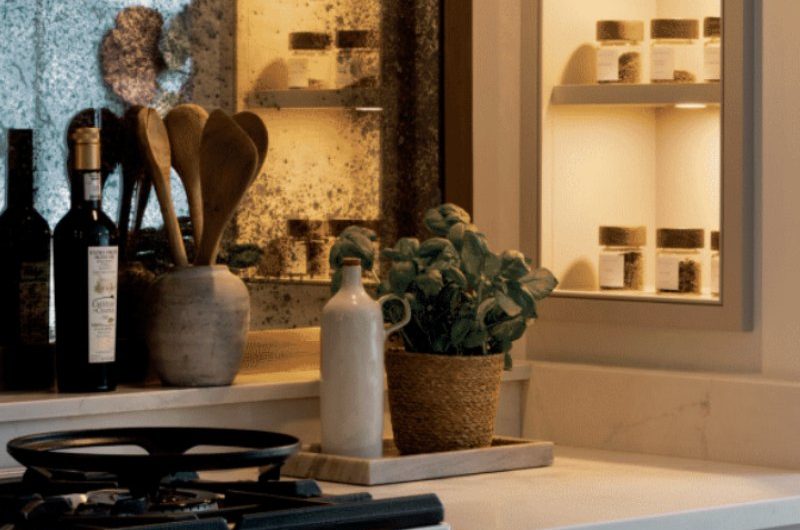
Meanwhile, in deeper alcoves, you can include open shelving or a compact, pantry-style niche for additional storage. Or how about a hidden cupboard that keeps smaller cookware or some of your most-used cleaning products at hand but also tucked away?
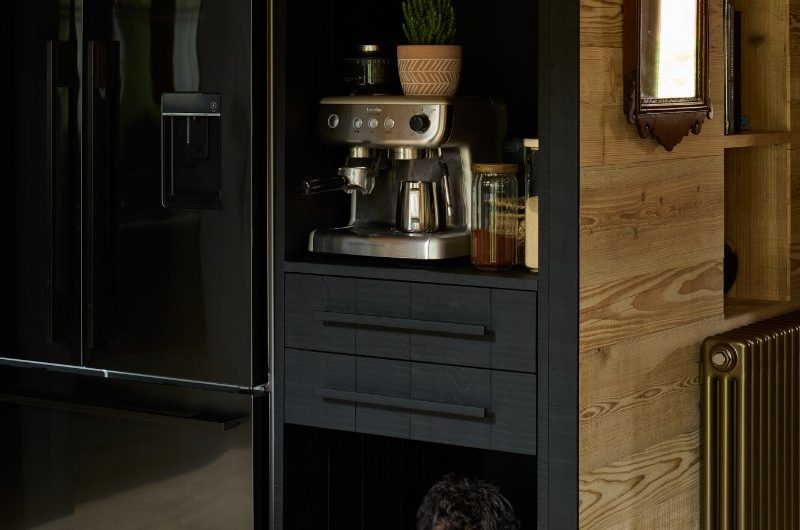
“In corners, shallow shelving niches work well for ceramics, cookbooks, or plants, while deeper corners benefit from concealed cupboards or corner drawers to keep bulkier items organised and out of sight,” recommends Selena Quick, founder and director of Pad Kitchens. “When integrated properly, these niches contribute to a more streamlined, architectural feel rather than reading as add-ons.”
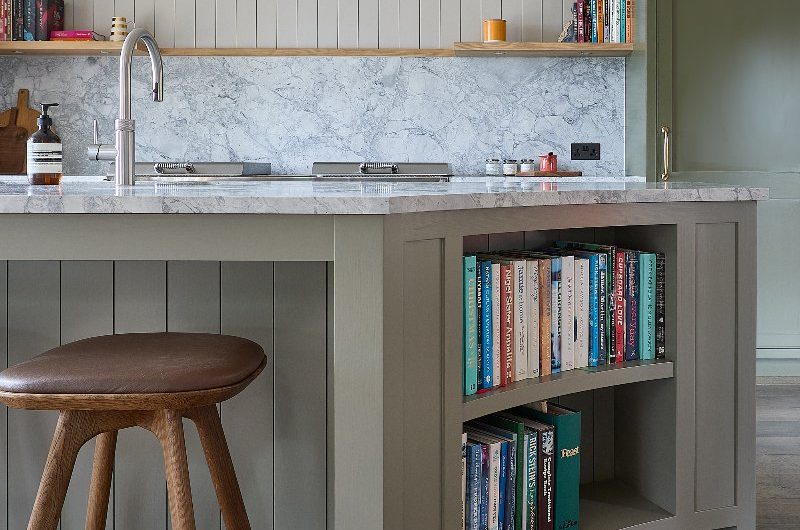
Keep in mind that your choice of finish is key to ensuring a kitchen niche or nook feels intentional. Using the same material as the worktop or splashback creates cohesion, while the inclusion of timber can introduce warmth into your scheme. In high-use areas such as wet zones, stone, porcelain, or stainless steel offer durability and refinement, while repetition of materials within your niches will help to maintain visual calm.
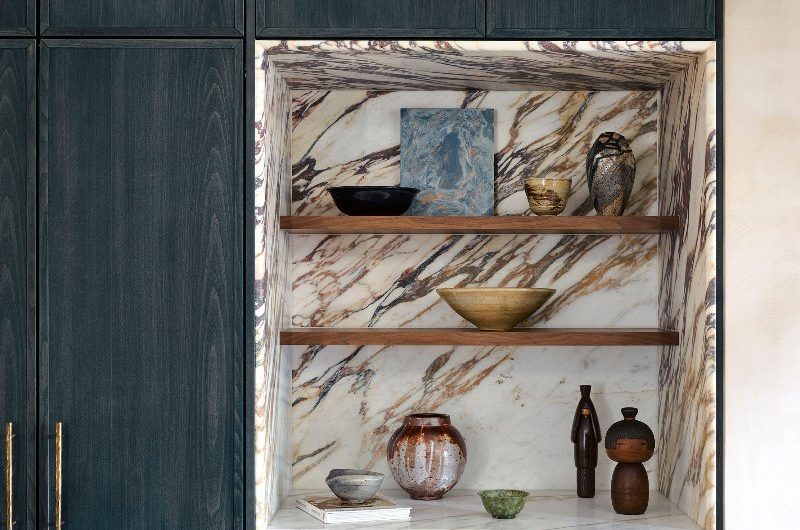
Designed as part of your kitchen strategy right from the outset, a niche or nook becomes an integral feature, enhancing usability and elevating your kitchen architecture. “Whether it’s recessed shelving for frequently used ingredients or the reworking of a redundant alcove, these interventions show how thoughtful design can draw value from even the smallest areas,” says Natalie Fry, founder and director of Grid Thirteen. “They anchor the kitchen in its architecture and give it a sense of purpose that evolves from the way the space is actually lived in.”
Spotted on social
Enjoyed this post? Click here for more on bathroom niches
About Post Author