Some call it jigsaw, others fusion, but whatever you decide to name it, this mix-and-match kitchen look is clearly on the rise…
Kitchens never stop evolving. From industrial to contemporary to the ‘non-kitchen’ style – with features that look and feel more like living room furniture – kitchen design keeps getting more and more creative. And now, it seems homeowners are tired of having to pick just one design style, opting for a characterful blend, instead.
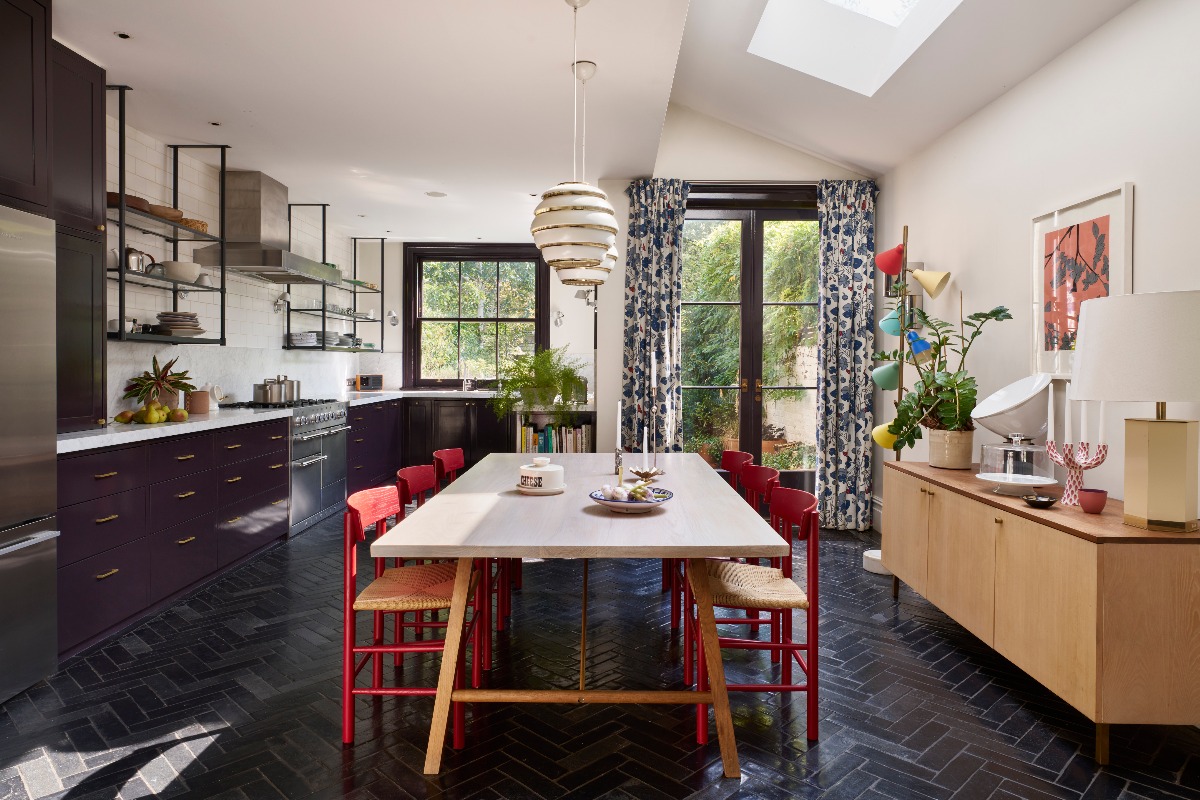
“Fusion kitchens [as they’re known] have moved to the forefront, creating spaces that don’t lock into one style, but instead layer different influences, materials, and finishes that result in something really personal,” says Nathan Kingsbury, creative director of Nathan Kingsbury Design.
However, this aesthetic isn’t about following trends or mixing styles just for the sake of it, says Jenna Forsdyke, interior designer at Pfeiffer Design. “It’s about creating a space that feels curated and personal, with layers of materiality that flow naturally together. Mixing and matching creates a more organic feel, leaning into the notion of a perfect imperfect.”
How to get the fusion kitchen look
So, how can you achieve this ‘perfect imperfect’ without it all looking like a mismatched hotchpotch? Designers agree that a good starting point is choosing a base style – “whether that’s a modern foundation with traditional touches or a more classic structure enhanced with contemporary features,” as Josie Medved, design manager at Symphony Group PLC, points out.

For example, pared-back, Shaker cabinetry works perfectly as a base. “Its clean lines and timeless versatility provide the perfect foundation for this layered approach,” says Nicolle Whyte, design director at Olive & Barr. Combine it with sleek brassware and appliances, for instance, and you get a mix of traditional and contemporary, or opt for slim-Shaker cabinetry and you’ll get classic with a minimalist twist.
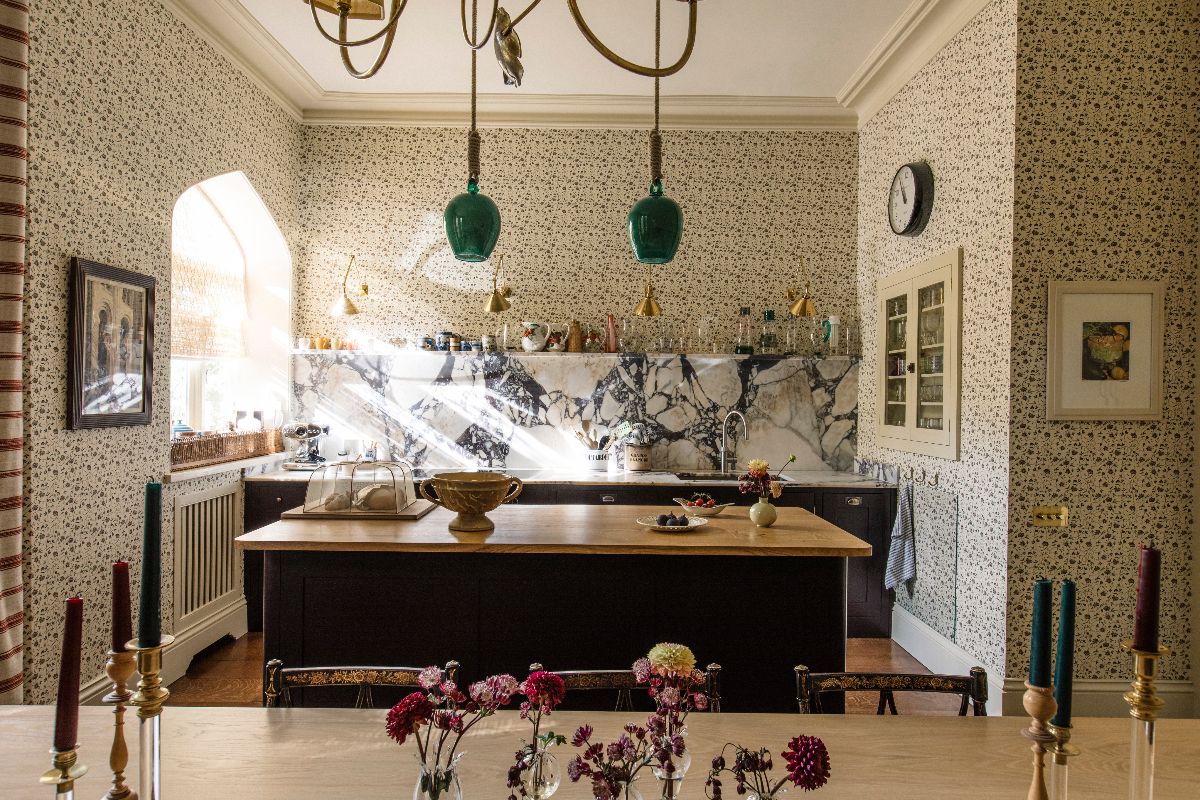
Then, you’ll need to think about the colours, textures, and any finishing details that will make your fusion kitchen even more unique. “For balance, select a dominant style to anchor the space, then layer in accents from other trends and styles so it feels considered rather than busy,” explains Jenna.
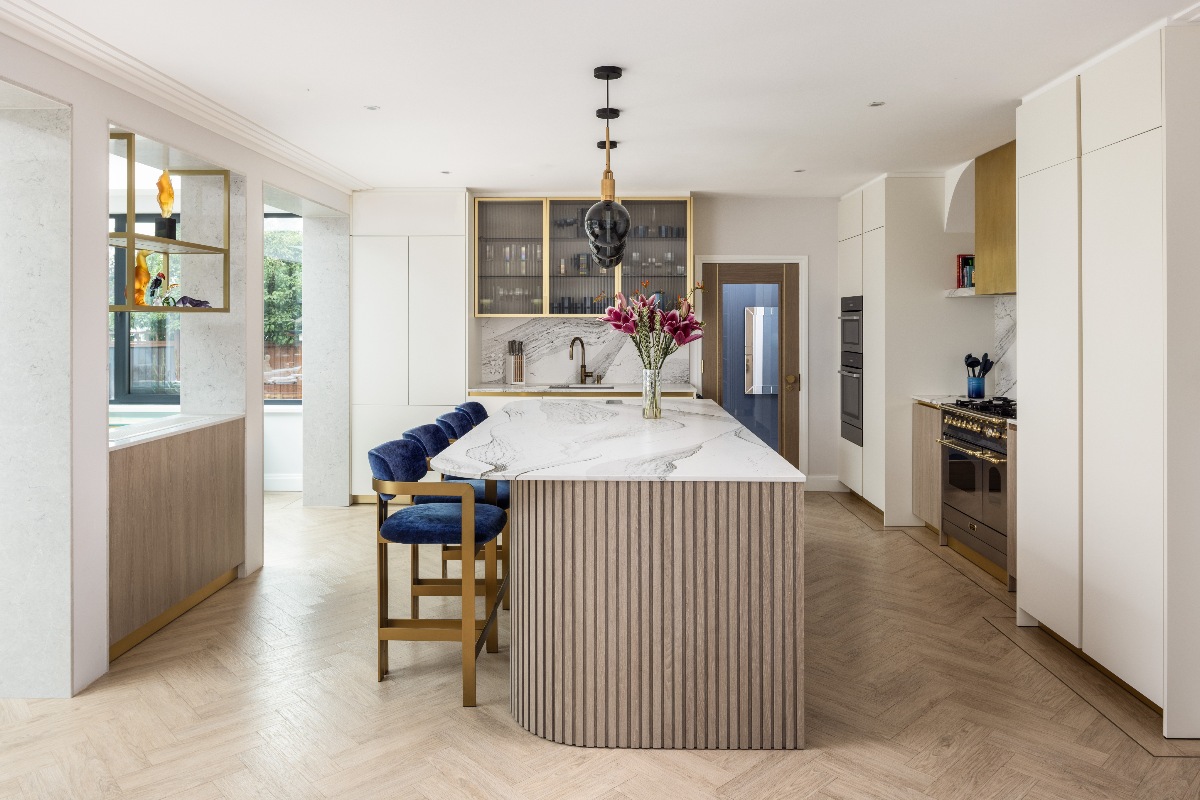
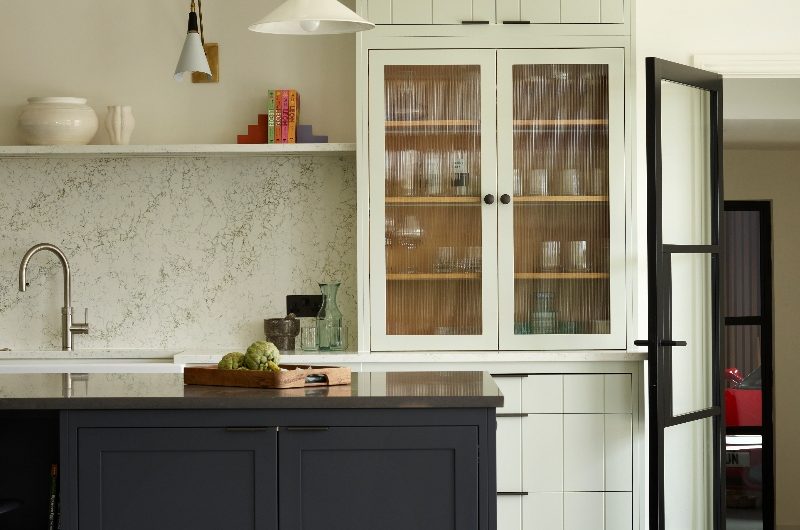
“A smart way to do this is via zoning. For example, introduce texture and a contrasting material through your kitchen island to really highlight this space, then pick a more pared-back colour scheme for the rest of your cabinetry,” she adds.
Emily Newmarch, design consultant at Kitchens by Holloways, agrees that a standout, bold island can help bring other contrasting elements together. “Often, the island becomes the focal point for this approach, designed as a statement piece with a contrasting veneer, a patinated brass splashback, or even clad in stainless steel to add texture and depth,” she says.
When it comes to linking all the different features together, Emily explains that the trick is not to overload one element: “Instead, combine carefully considered contrasts that balance each other beautifully.”
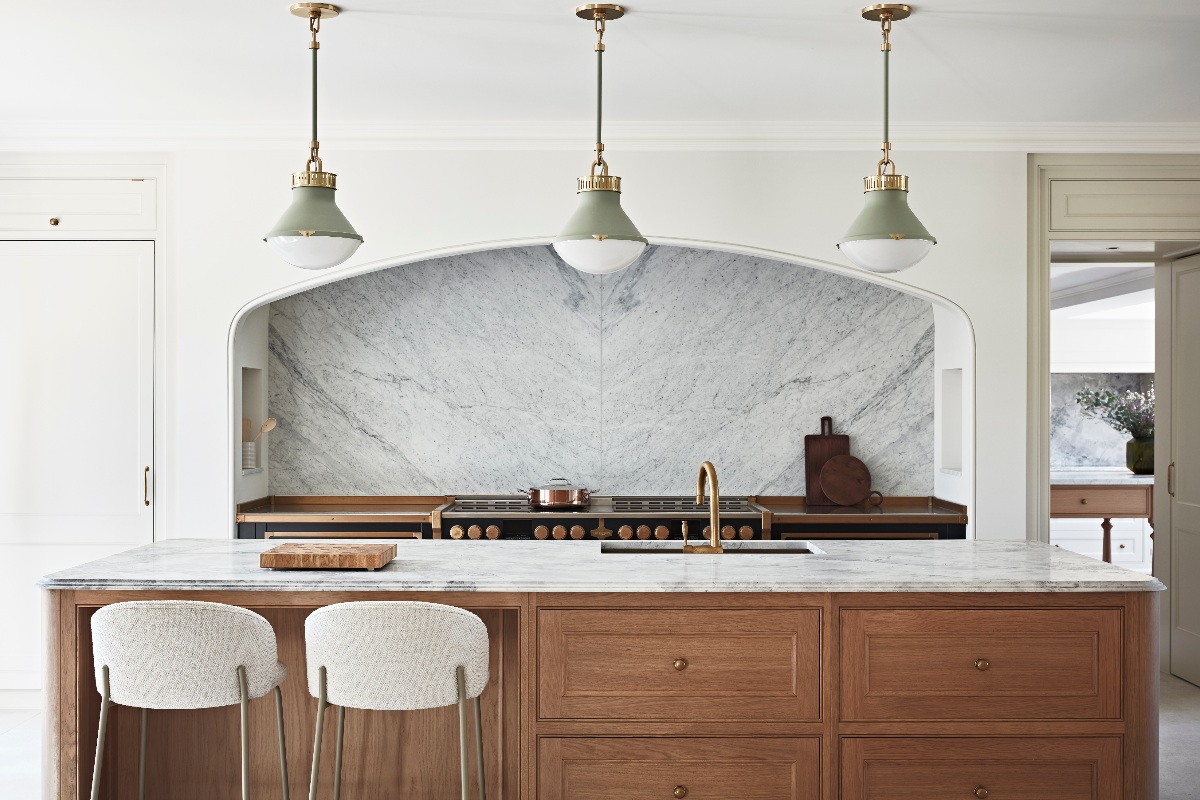
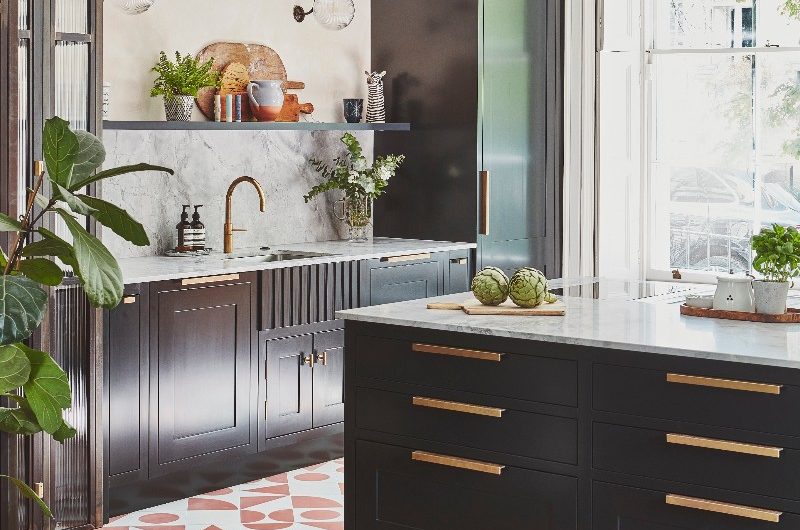
It really is all about balance, cohesion, and consistency. “Choose unifying elements, like a single hardware finish and a cohesive colour and material palette,” says Tom Howley, creative design director of the eponymous brand. “This way, the space feels curated rather than mismatched.”
The pairings
So, what type of design styles can you actually mix? The possibilities are endless; you can have Japandi (Scandinavian with Japanese elements), or industrial with a contemporary twist, or warm, non-clinical minimalism, and so much more.
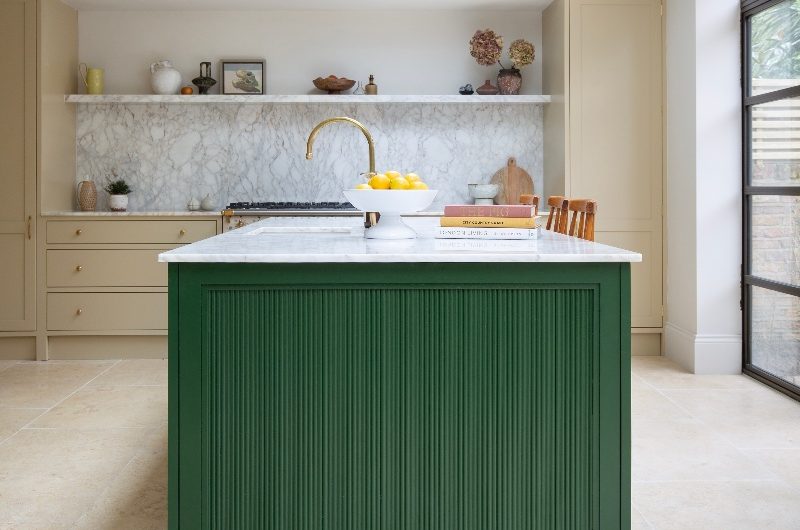
“We’re seeing homeowners going for combinations like contemporary with classic, where gloss or matt cabinetry is softened with Shaker-style detailing, industrial with exposed metal finishes paired with warm timber and stone, and minimalist with homely touches, where clean lines are elevated with textured, tactile materials,” explains Megan Baker, head of design at My Fitted Kitchen.
“Someone with a period property may love the charm of Shaker-style doors, but want to balance it with modern quartz worktops and integrated appliances for a cleaner look,” adds Nathan. “Others might prefer partnering clean-lined, handleless cabinets with natural oak accents.”
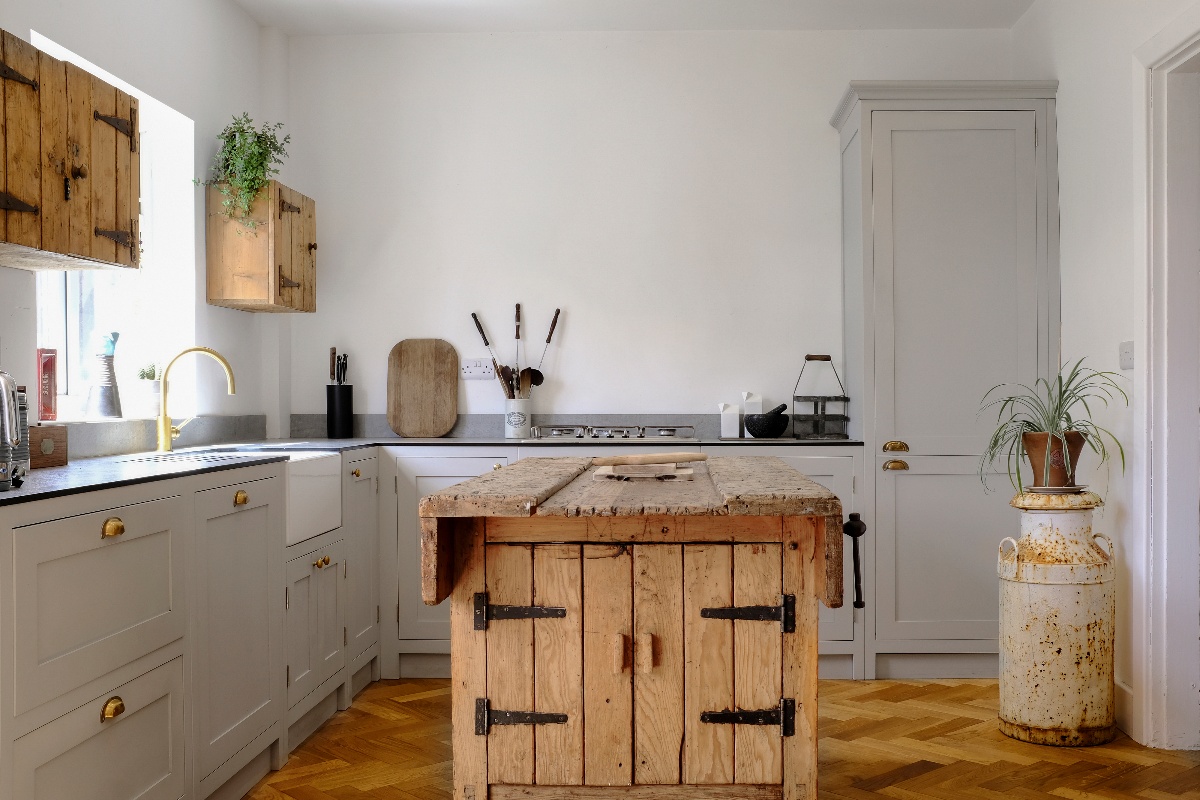
Another popular fusion style is the modern farmhouse kitchen, which balances rustic character with contemporary finishes. “It’s about taking familiar country elements, such as the classic farmhouse kitchen sink or the natural warmth of wood finishes, and pairing them with sleek modern touches, like a stainless-steel kitchen tap or crisp white metro tiles,” says Mike Whitfield, luxury interior expert at Lusso.
Or how about a ’70s-inspired, mid-century modern kitchen? “Think warm colour palettes, feature lighting, and cabinetry in wood finishes such as walnut, paired with retro-inspired glossy tiles,” adds Mike.
Complementary surfaces
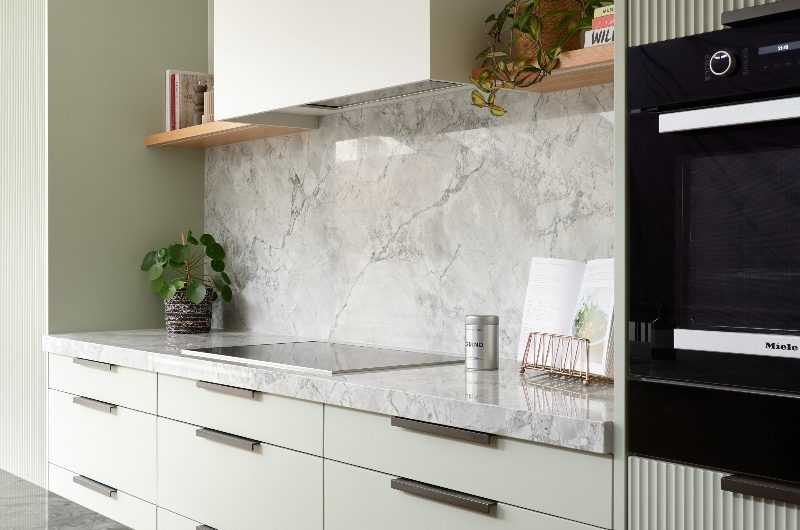
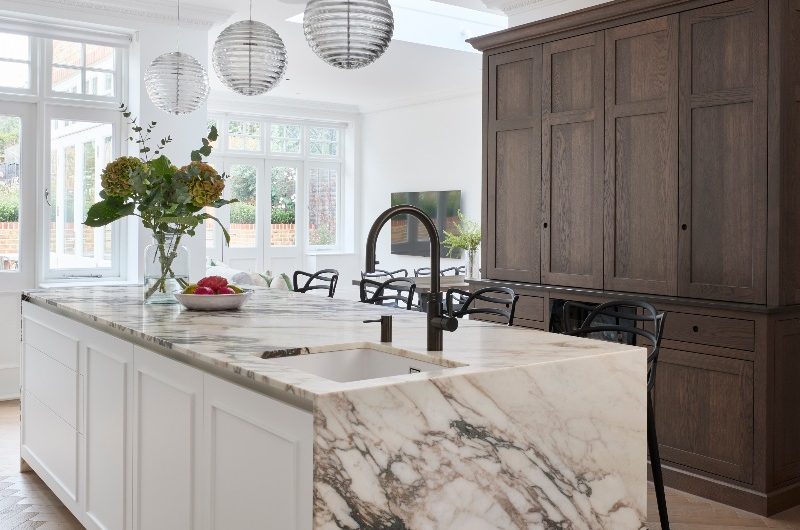
When fusing styles, worktop materials can be a great anchor. “While quartz remains a popular, family-friendly choice, for example, pairing it with a natural wood breakfast bar or incorporating a waterfall countertop, can add depth and variety, while still pulling the design together,” says Nicolle.
And for consistency, try repeating one surface material across different features. “Say a stone worktop echoed in a splashback, or a timber detail carried through shelving and cabinet fronts,” says Gareth Davies, design director at Classic Interiors. “That repetition avoids clash and helps all the contrasting elements feel like part of the same story.”
Walls and floors
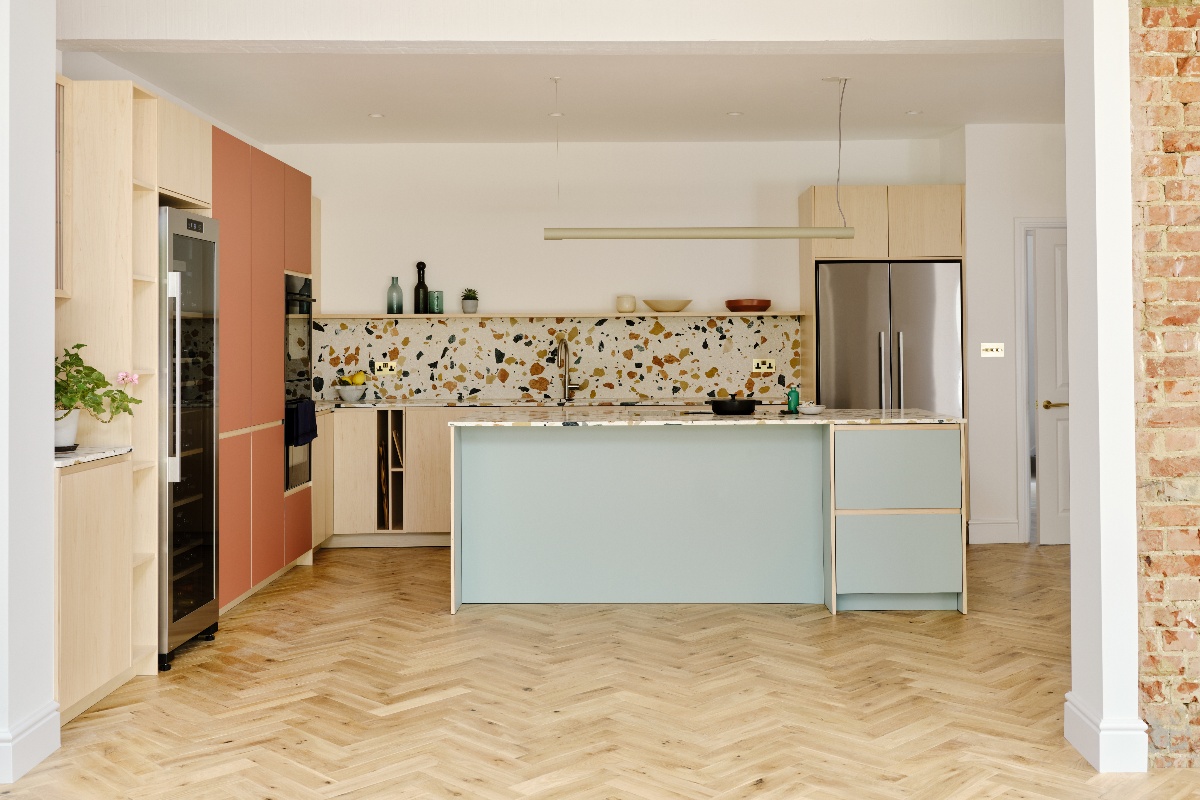
Meanwhile, floor and wall tiles can also help to tie the scheme together. “Tiles naturally bridge eras,” explains Louisa Alice, creative director at Mosaic Factory. “You might pair a traditional patterned floor with a contemporary splashback in harmonising tones, or balance modern minimalist flooring with a richly textured zellige feature wall. Imagine traditional cement tile patterns in contemporary colours, or terrazzo for a sleek retro edge that complements warm, natural materials.”
Some homeowners are also now choosing to mix wow-factor natural stones with contrasting, softer-hued cabinetry and hardware, for a curated mix. “We’re increasingly seeing bold pairings, like richly veined stones set against more understated cabinetry,” says Urvashi Agarwal, creative director of Stone World London.
Ultimately, it’s all about designs that feel characterful, balanced, and unique to you. “The appeal lies in the personalisation, building a kitchen around favourite pieces or heirlooms and the specific needs of the household rather than a generic template,” says Nigel Palmer, head of communications marketing for House of Rohl.
And Nathan agrees. “It’s about making really intentional design choices. The result? A kitchen that feels warm, inviting, completely unique to the homeowners, and truly timeless.”
Enjoyed this post? Click here to discover how to use the principles of biophilic design in your kitchen, bedroom and bathroom
About Post Author