Biophilic design has risen in popularity in the past few years, and now, it’s everywhere you look. We explore how this concept has evolved from simply bringing a touch of nature in, to creating deeply nurturing spaces…
The word biophilic means ‘love of life’, and it celebrates our intrinsic craving for connecting with nature. Bring this concept into design and architecture, and you’ve got yourself a philosophy which prioritises not only how your space looks and functions, but also has a strong link to the environment.

What does biophilic design look like now?
Being someone who has spent more time indoors recently, I can understand the need to be in touch with nature, whether through decorating your flat with plants or flooding it with natural light. And while that’s all well and good, I’ve realised that biophilic design can be much more layered than that.
“Historically, industrialisation led to building practices that often degraded the environment and alienated people from nature,” explains James Hurst, associate director of architecture at HollandGreen. “In recent years, as sustainability and wellness have become central to design thinking, biophilic design has evolved into a holistic philosophy that not only reduces environmental impact but actively fosters harmony between built and natural environments.”
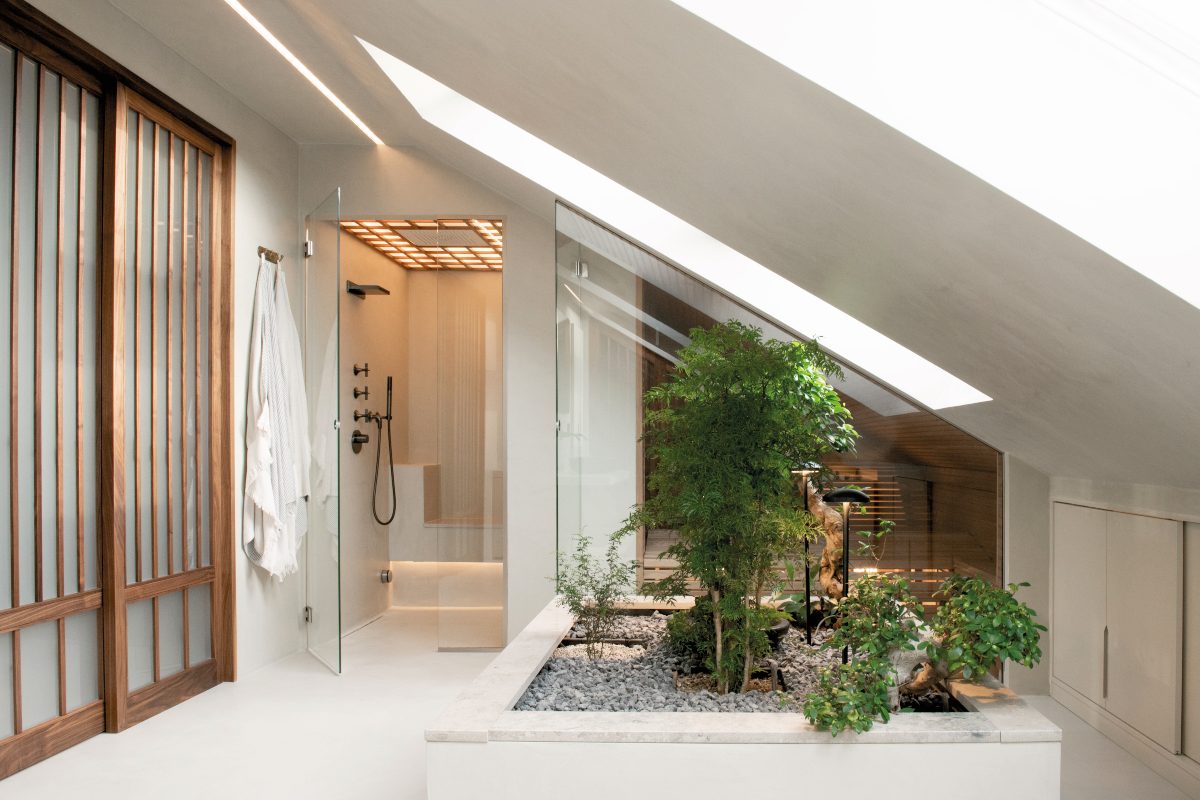
Oliver Webb, director at Cullifords, agrees and adds, “Where biophilic design once meant bringing nature inside, it’s now about designing with nature and embracing imperfections, earthy tones, and materials that feel authentic and enduring.”

The three principles of biophilic design:
1. A direct connection to nature
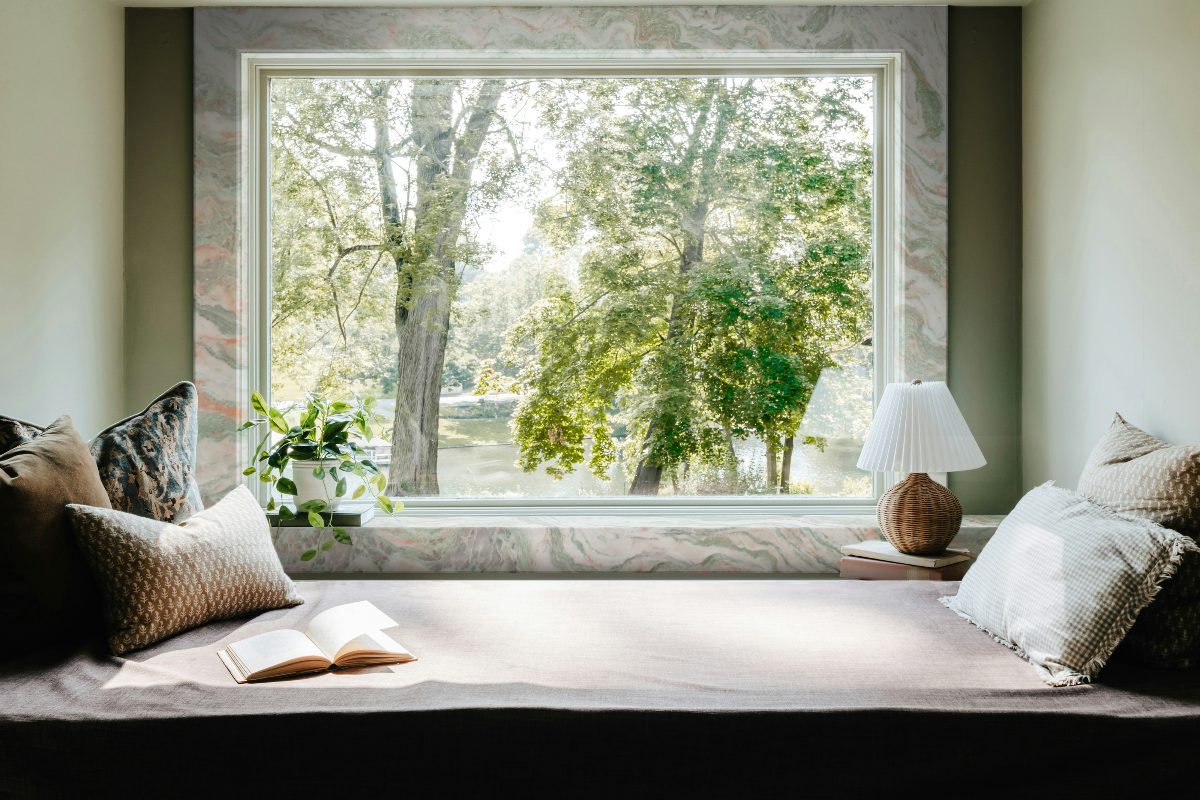
Essentially, the concept is guided by three key principles, says James, the first being a direct connection to nature. When looking to welcome this philosophy to your home, he recommends starting with maximising natural light through glazing, cleverly using windows and skylights to frame outdoor scenery, and open layouts.
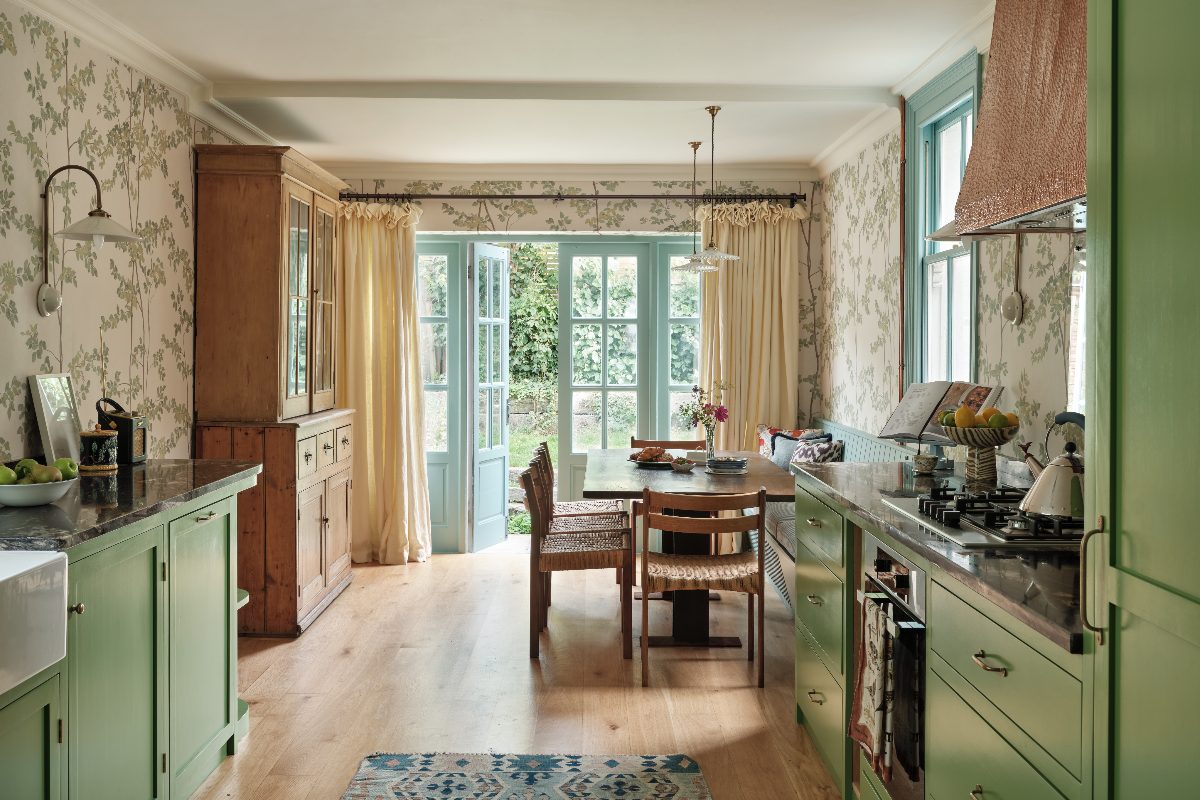
“When a property benefits from a garden, a view, or a natural feature such as a river or open field, design choices should celebrate that connection. Blurring the boundaries between inside and outside enhances a sense of wellbeing and makes the home feel more grounded in its surroundings,” advises James.
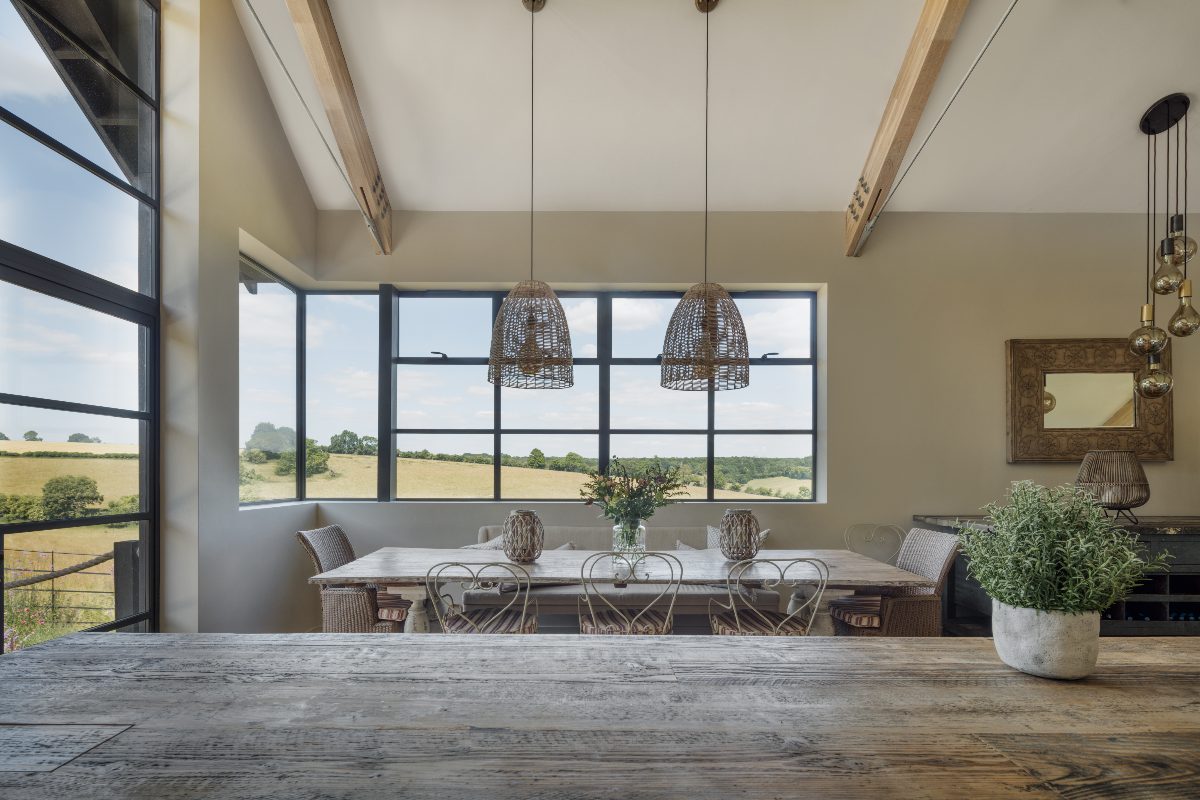
2. An indirect connection to nature
If you, like me, live in a concrete jungle and don’t benefit from a garden or glorious nature views, try principle number two: you can have an indirect connection to nature with the help of prints. “Nature-inspired patterns and shapes can subtly evoke the rhythm of the natural world. Wallpapers, fabrics, and décor that mirror organic forms such as waves, leaves, or fractal patterns add harmony and flow to interiors,” adds James.
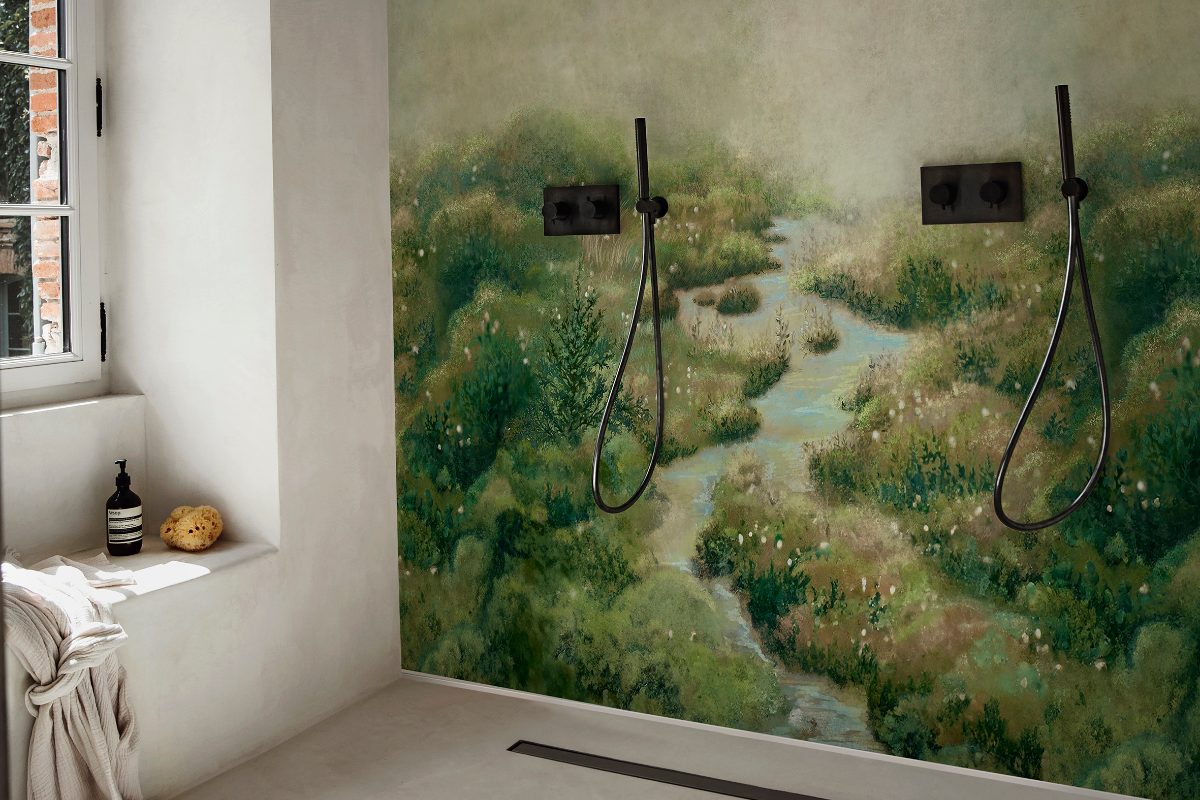
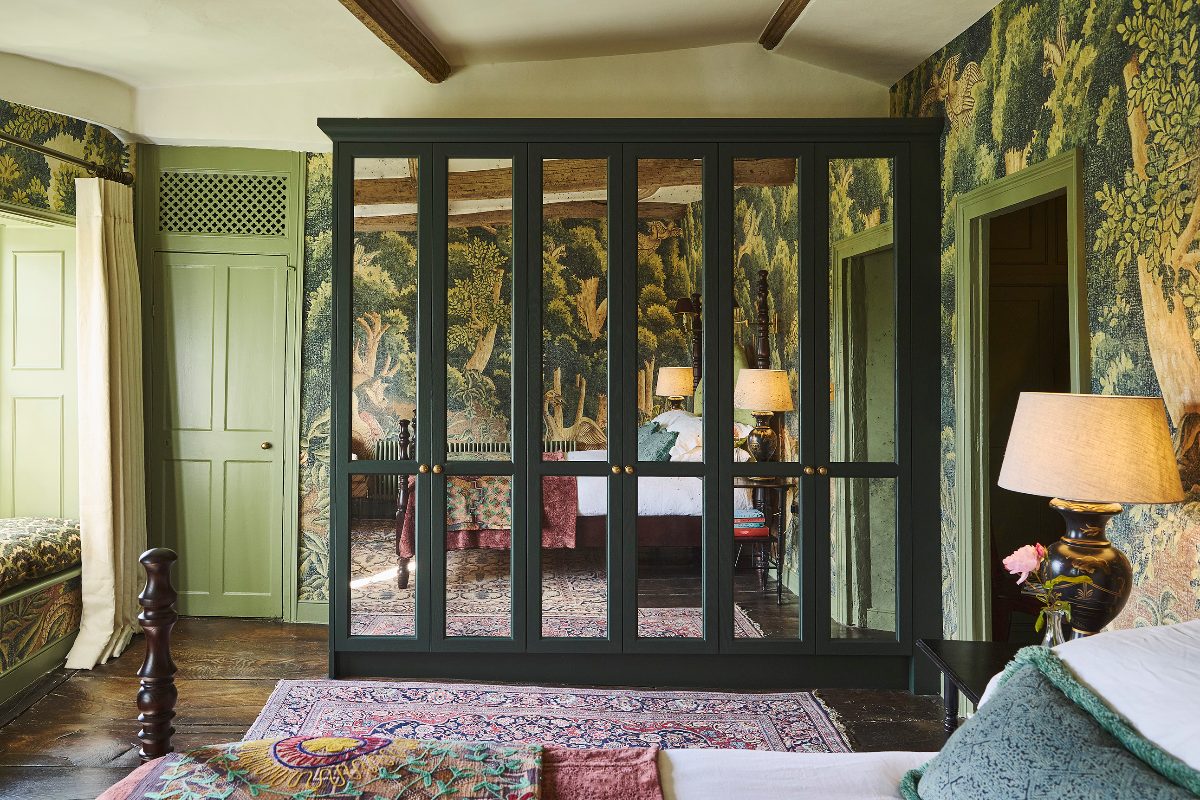
3. Natural analogues
The third principle focuses on natural analogues, he tells me, so materials play a key role in cementing your biophilic scheme – as do finishes. “Incorporate wood, stone, linen, or clay-based paints to bring tactile warmth into a space. And choose handcrafted pieces or locally sourced materials for an authentic connection to place,” he says.
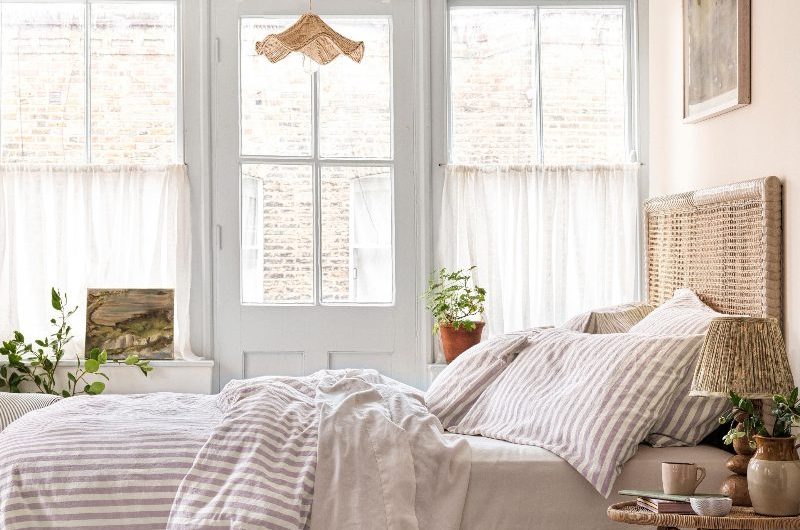
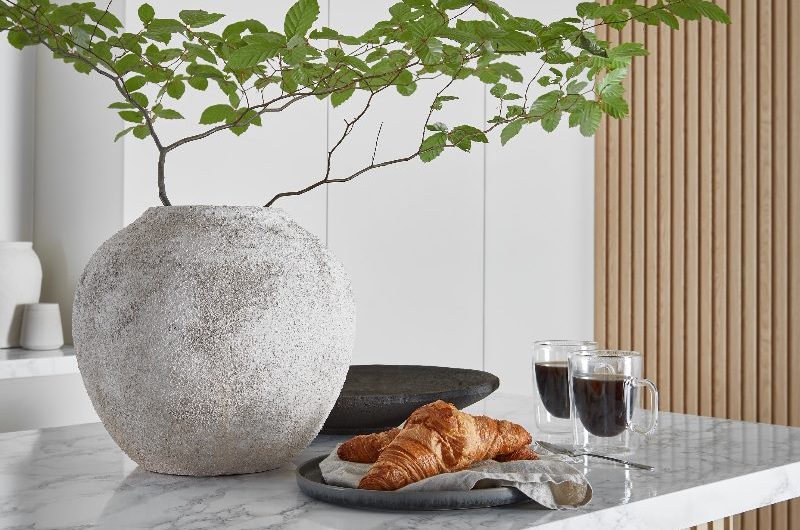
And alongside wood, stone is currently stealing the spotlight in interior design. “We’re seeing a real shift towards using organic, tactile materials such as natural stone to achieve that sense of calm and grounding,” explains Olive.
“Homeowners are increasingly drawn to finishes that are raw, matt, and textural, from softly honed marbles to weathered limestones,” he continues. We already know greenery, such as plants, foliage and indoor trees, is a great tool for bringing a touch of nature in, but so is water. “Plants, living walls, or even small water features not only improve air quality but also introduce a calming sensory element that contributes to overall comfort,” says James.
Wellness benefits
The bedroom and bathroom are actually ideal for embracing such naturally calming benefits. “For a wellness-focused bathroom, freestanding baths offer deep relaxation, rainfall showers deliver a spa-like feel, and surface-mounted basins in nature-inspired tones set a calming mood,” recommends Yiota Toumba, UK senior designer at Villeroy & Boch Group.
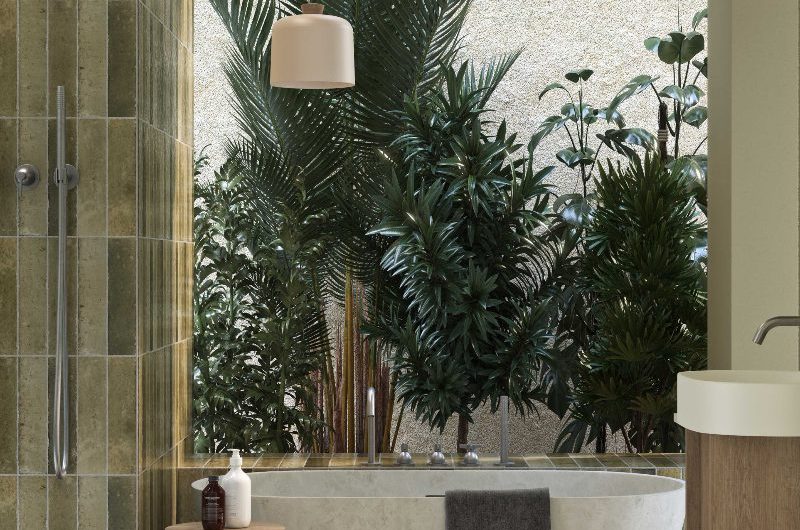
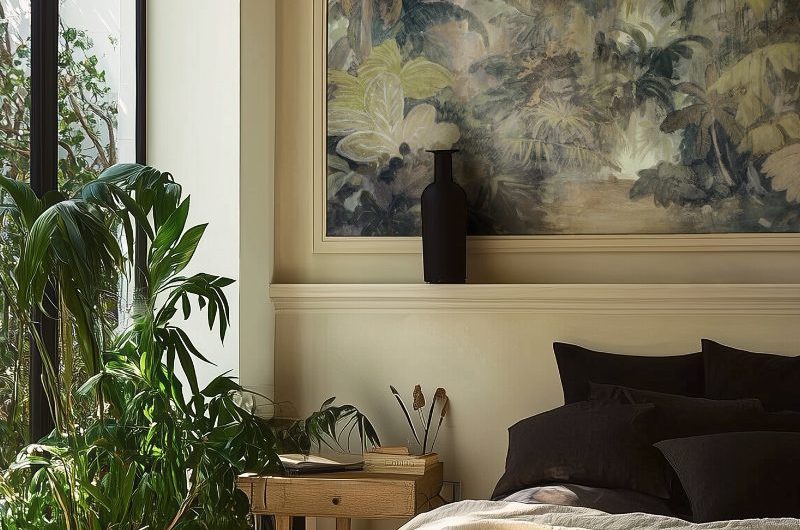
“Ventilation systems that maintain freshness, paired with subtle aromatherapy such as eucalyptus or cedar, create a multi-sensory experience,” adds Yiota.
So, whether you enhance your home’s existing indoor-outdoor link or start a biophilic scheme from scratch, “the result is a living environment that feels nurturing, uplifting, and restorative – a true sanctuary that strengthens our connection to nature,” concludes James.
Get the look
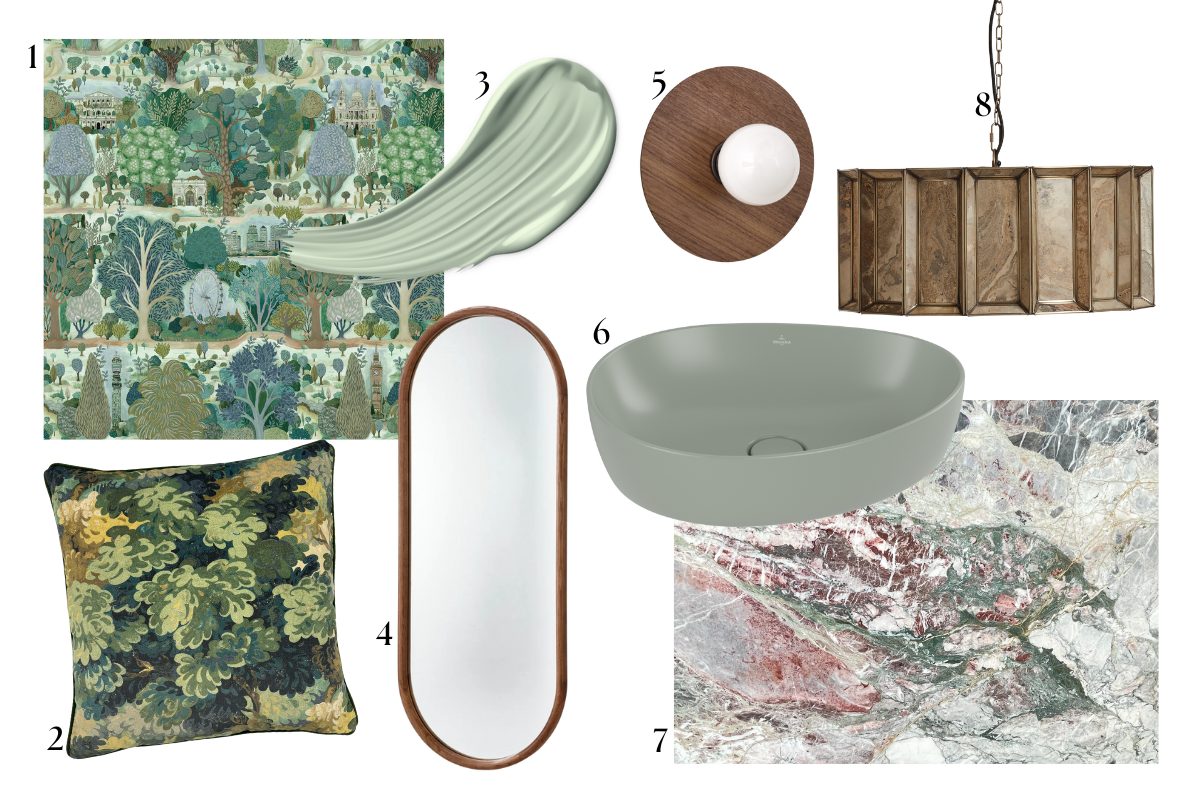
Begin your biophilic scheme with one of these nature-inspired elements, from patterned wallpaper, green stone, to wood lighting and coloured sanitaryware…
Spotted on social
Enjoyed this post? Click here for biophilic bedroom ideas for a serene sleep space
About Post Author