What will our sleep spaces look like this year? We reveal the most dominant bedroom trends of 2026…
Whether you’re looking to breathe new life into your boudoir or crave a complete refresh, these bedroom trends are sure to inspire your makeover. From curated sanctuaries to large pockets of joy, here is what’s going to be popular in 2026…
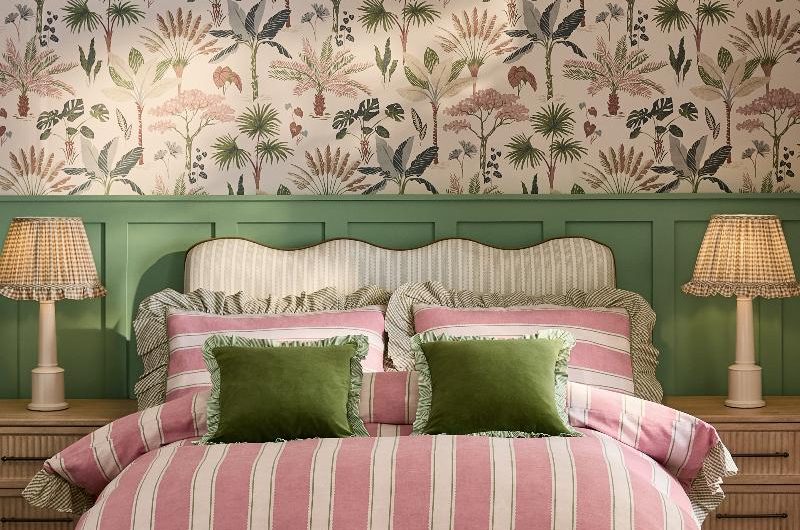
Romantic cafécore
It seems that the hospitality scene is fast becoming an endless source of inspiration, with restaurant-feel kitchens, guest-suite-inspired bedrooms, and coffee-toned paints prompting us to recreate the cosy feeling of a hotel stay or dining at your favourite lunch spot, at home. And now, cafécore – which first gained attention in 2024 – has come back stronger than ever.
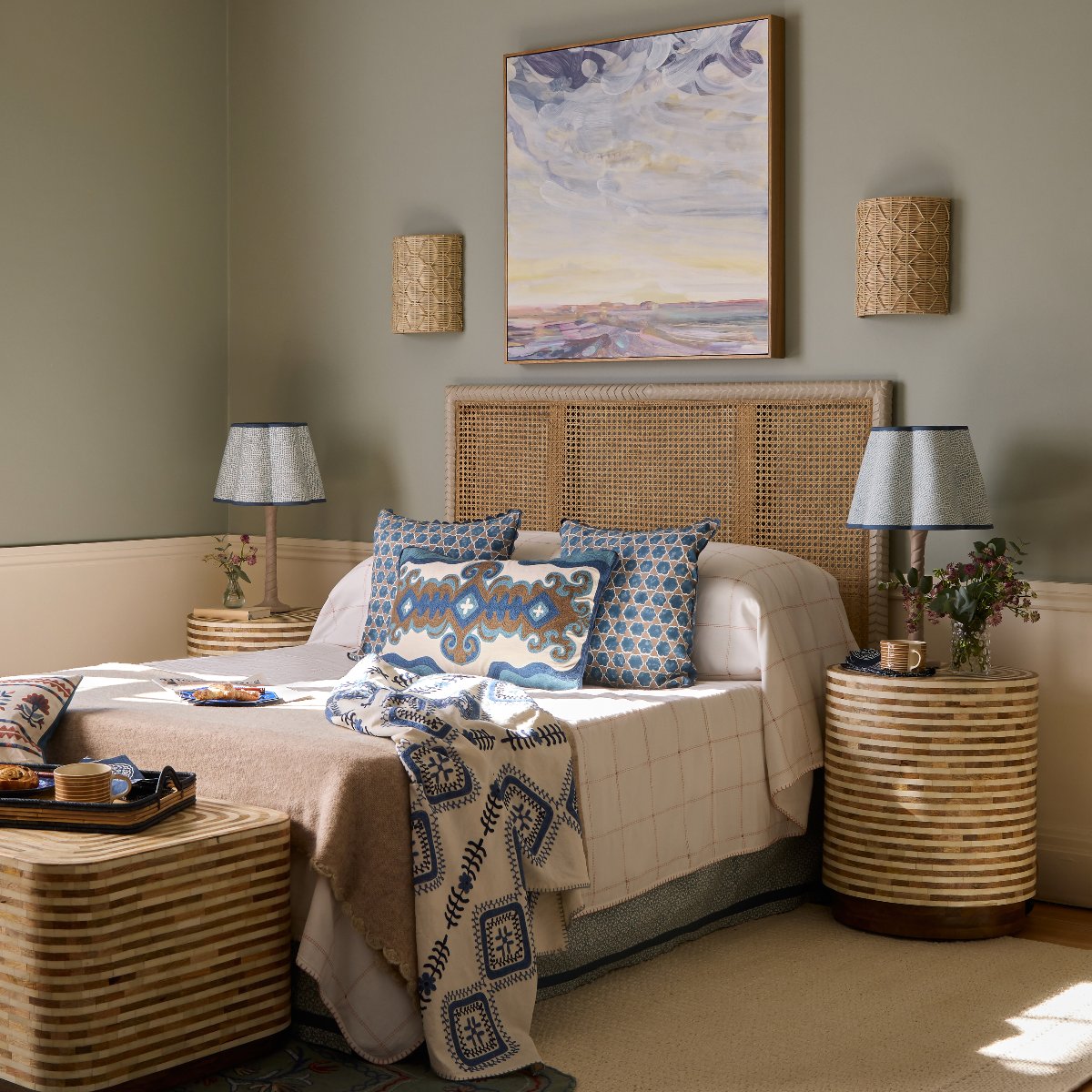
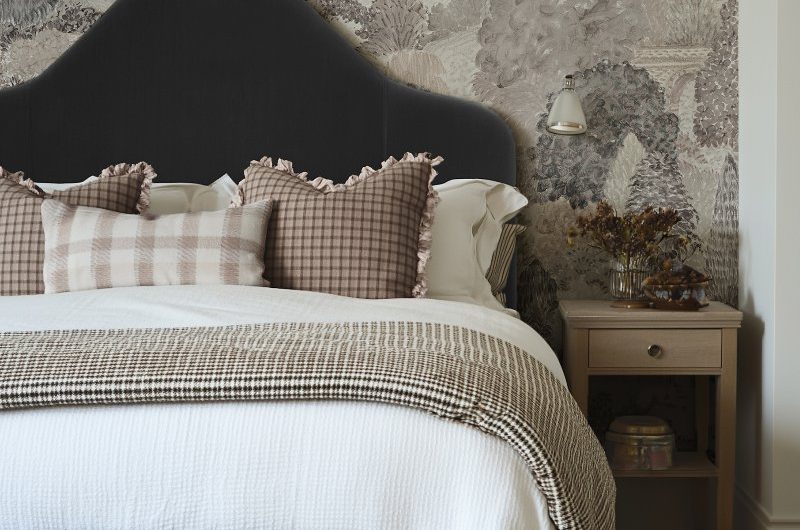
The aesthetic is all about creating a snuggly atmosphere akin to a coffee house, through earthy shades and elements that ooze comfiness and warmth; this time, enhanced with delicate patterns such as subtle checks, and all sorts of nostalgic embellishments, such as scallops and frills.
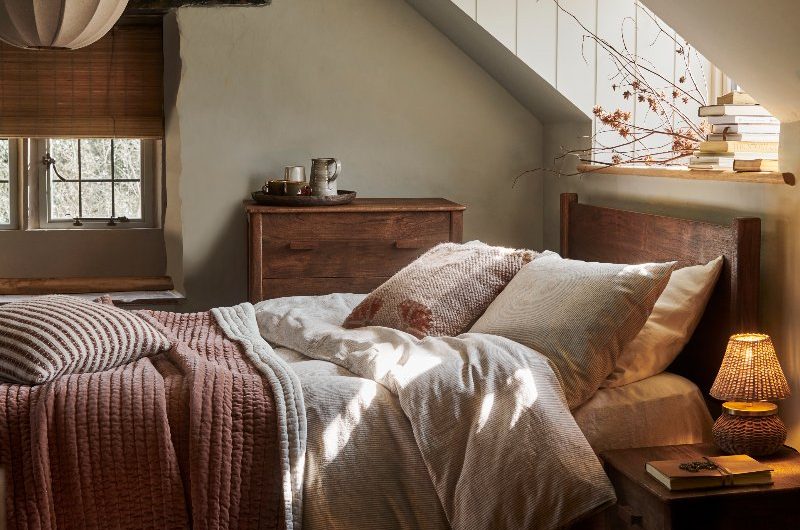
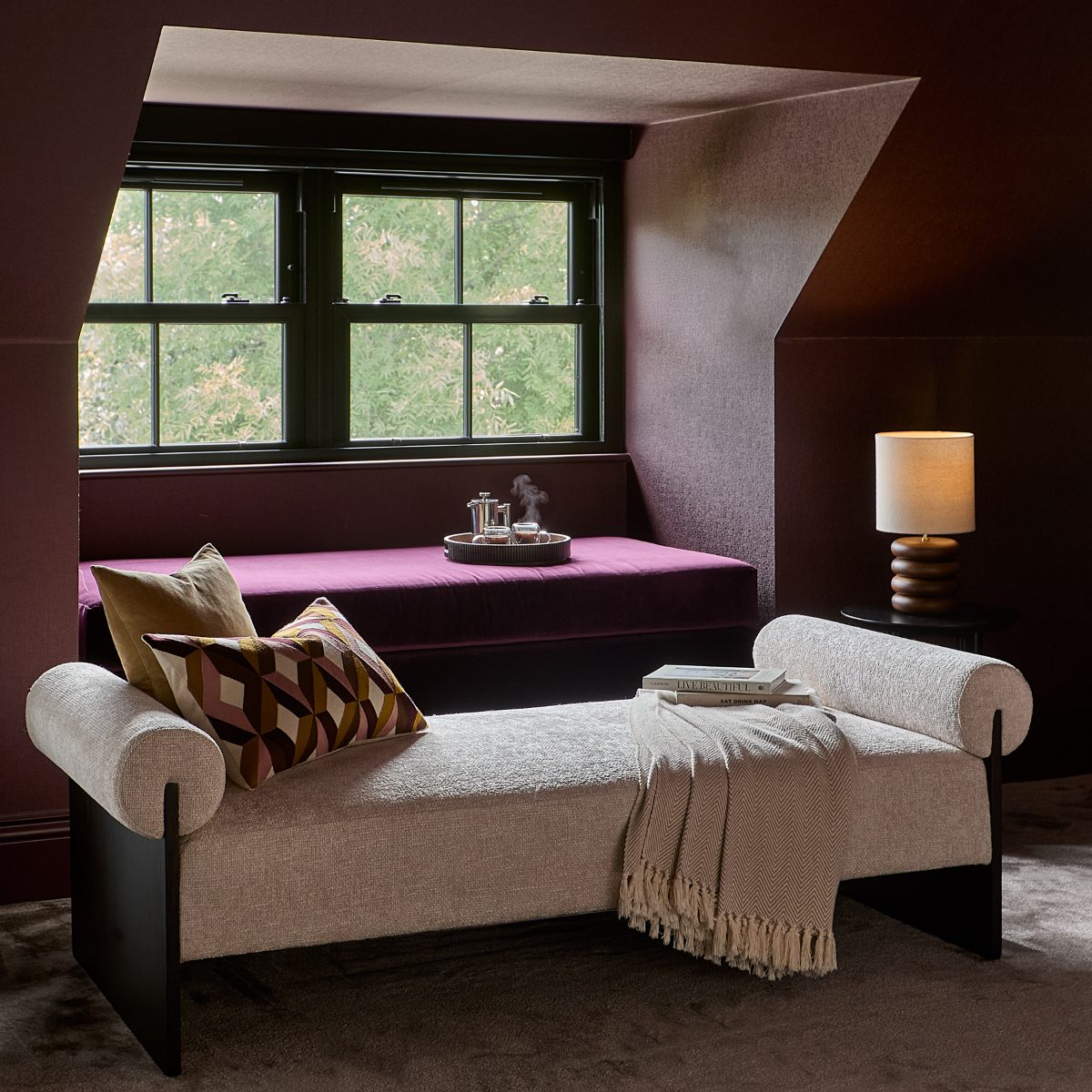
“Today, cafécore blends warm, inviting interiors with vintage and whimsical elements that create a fun and unique space,” says Marie Goodwin, head designer at Prestigious Textiles.

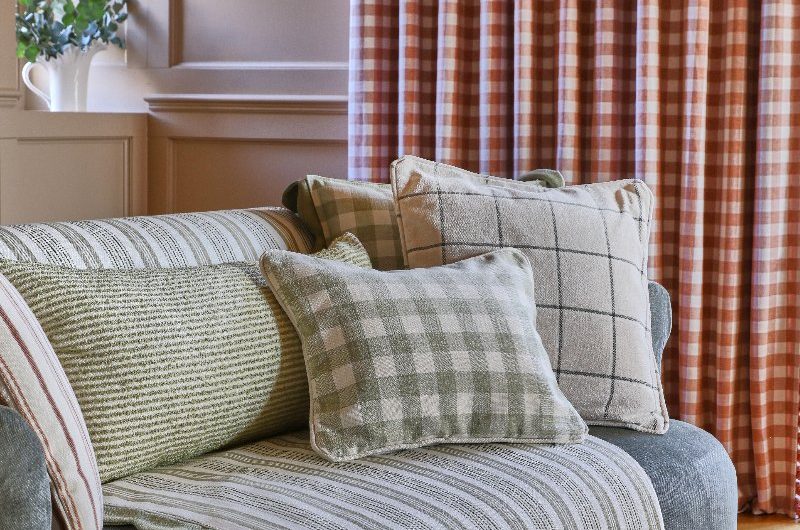
“It features soft lighting, rustic wooden features, and eclectic soft furnishings. To achieve the look, try incorporating traditional prints like gingham or pinstripes for decorative pieces like soft furnishings or drapery; but remember, the art is in the embellishments. Including playful detailing such as bobbin trims and scalloped edges along scatter cushions, or dainty bows on Roman blinds, are all great finishing touches that will elevate the handcrafted appeal of the room.”
Primary palette 2.0
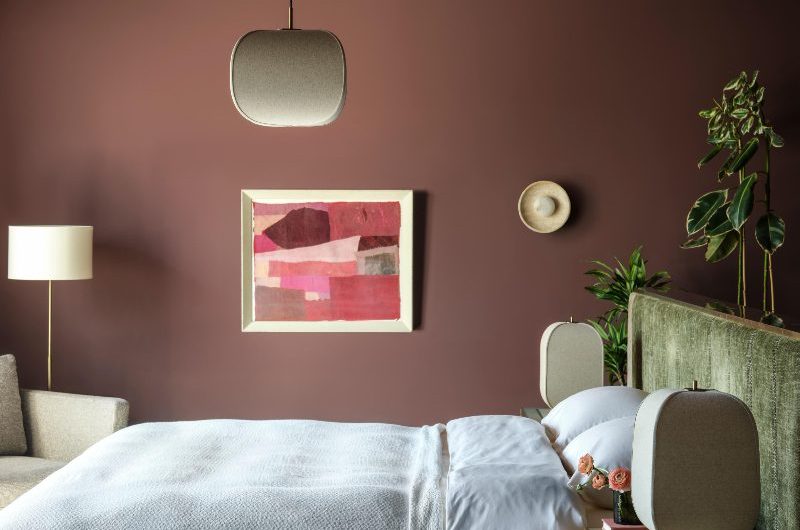
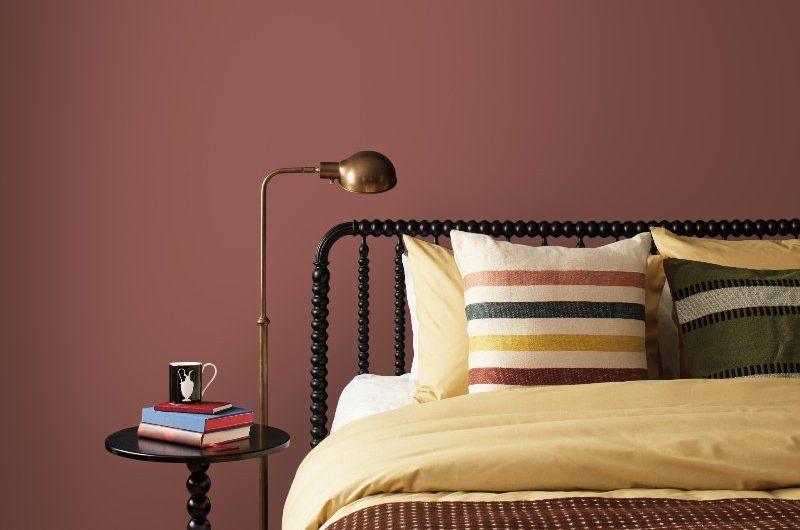
For the past year, it’s no secret we’ve been after more joyful schemes, with the ‘primary play’ aesthetic calling for a return to our childhood years through fun, playful décor. And lately, even the colours themselves have been stripped back to their roots for a more ‘childlike’, carefree effect. Reds, yellows, and blues are set to remain popular throughout 2026, as we’ll continue to see different, sometimes more adult-like, variations of the three shades appearing in anything from paint to pillows, blankets, dressers, and sofas.
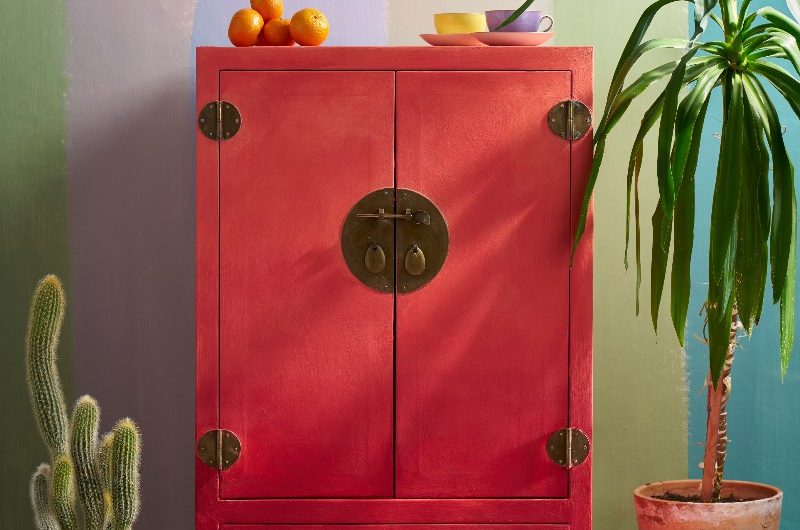
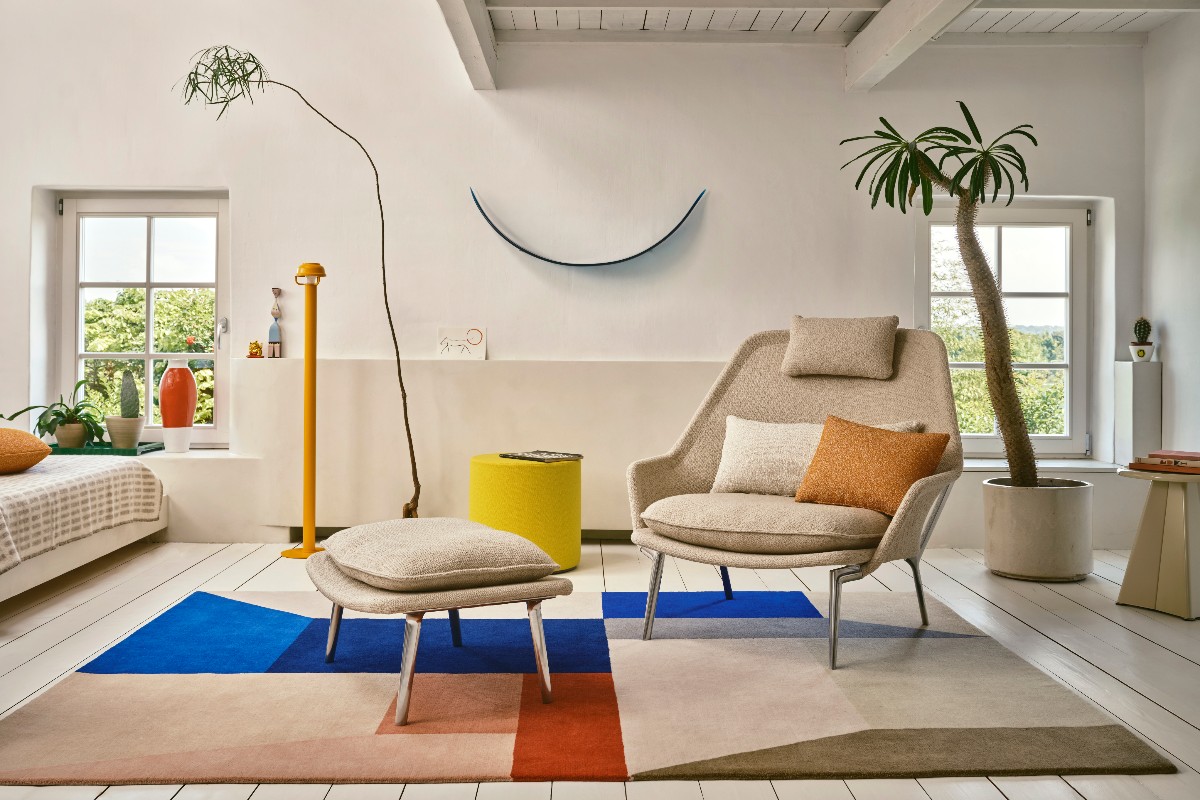
So, how can you use them to create impact in your bedroom? “Inject colour by accenting with an elevated primary tone that offers a richer, more sophisticated take on the classic shades,” says Dominic Myland, CEO of Mylands. “In the bedroom, our terracotta-tinted red paint Mortlake Red No.290 is great for creating a memorable accent colour on shelving or woodwork. This dusty shade pairs well with light neutrals.”
And don’t forget, primary colours are “the simplest building blocks of creativity”, as Tash Bradley, Lick’s director of interior design, says – so don’t be afraid to experiment with them. Whether you use them one at a time or all together, alone or with secondary colours, in their earliest, eye-popping form or in more refined versions, they’re sure to add an ultra-optimistic note to your furniture, accessories, and paint.
Pattern-laden bedrooms
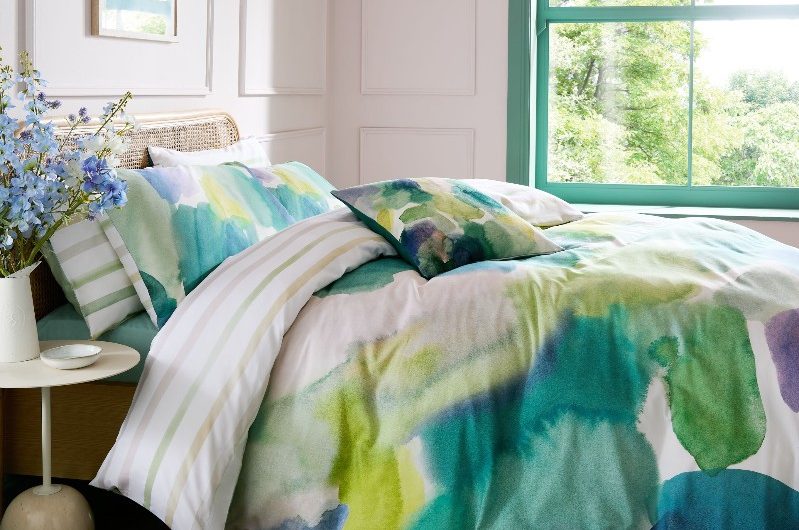
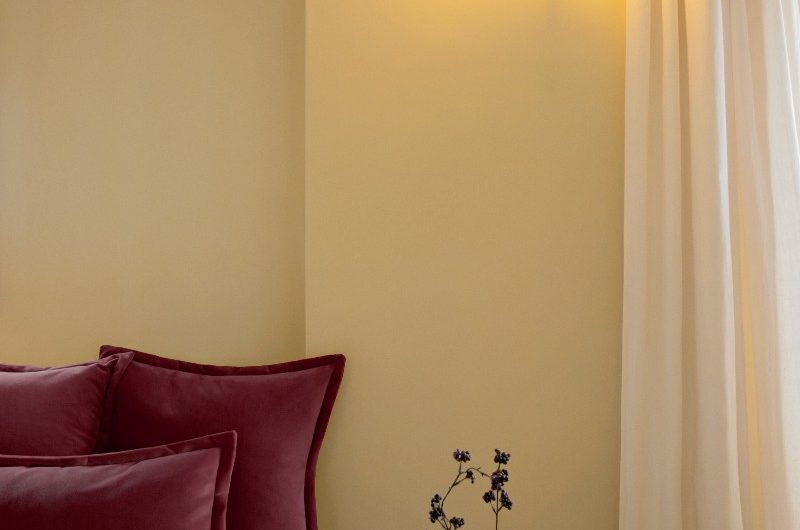
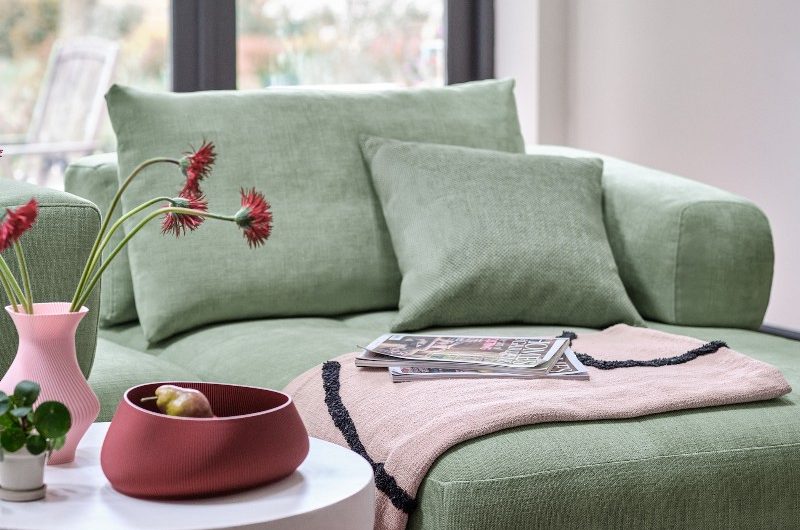
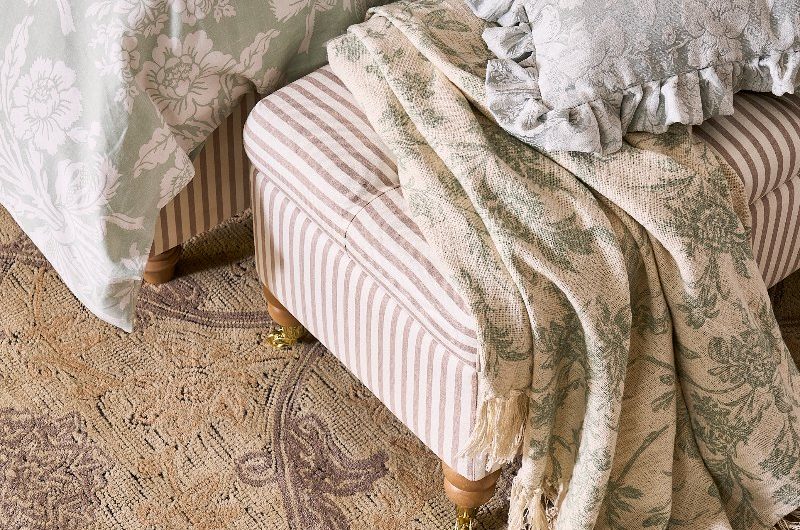
Forget the intense pattern drenching: the season’s most feel-good bedroom trend will have you rethinking how you combine different shapes and colours across your room. You can still mix and match your favourite motifs, and place one pattern on top of the other, whether in the form of pillow stacks, curtains and throws, or even reversible duvets – only now, the patterns and palettes seem slightly softer, and the combinations more aligned, to provide a wholesome, layered, and cohesive bedroom design.
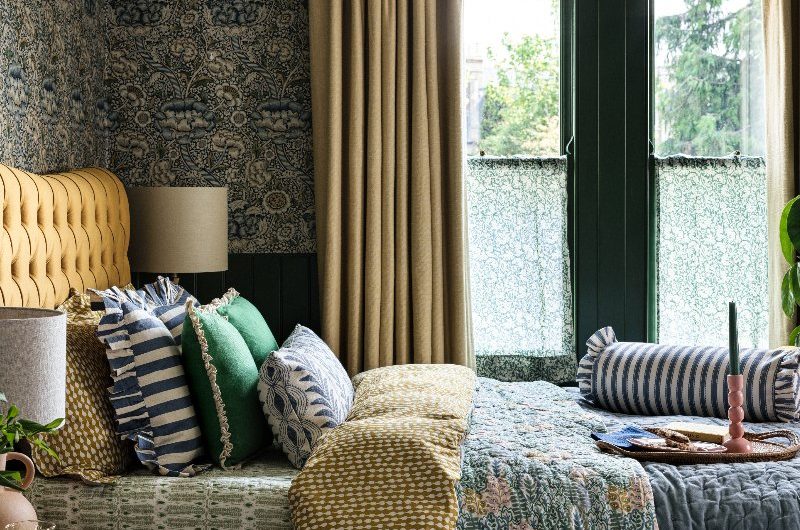
“A move on from the bold maximalism that we’ve seen in recent seasons, taking a more considered approach to layering patterns creates a more balanced design scheme,” says Helen Ashmore, head of design at Laura Ashley.
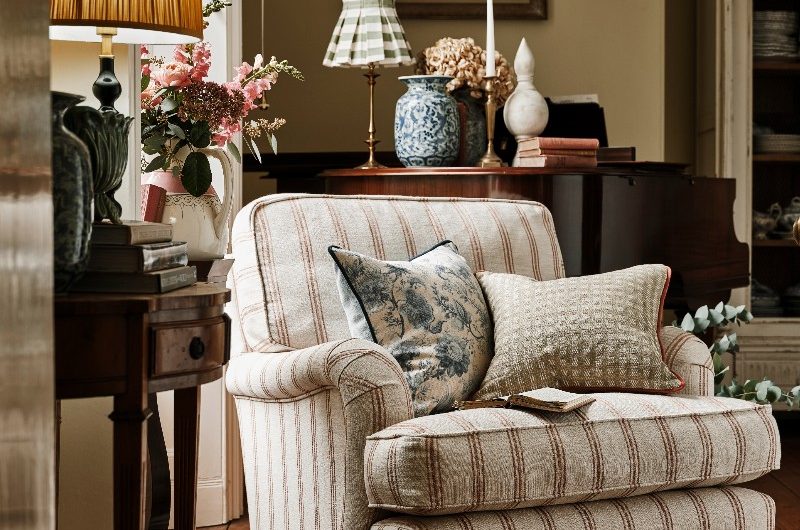
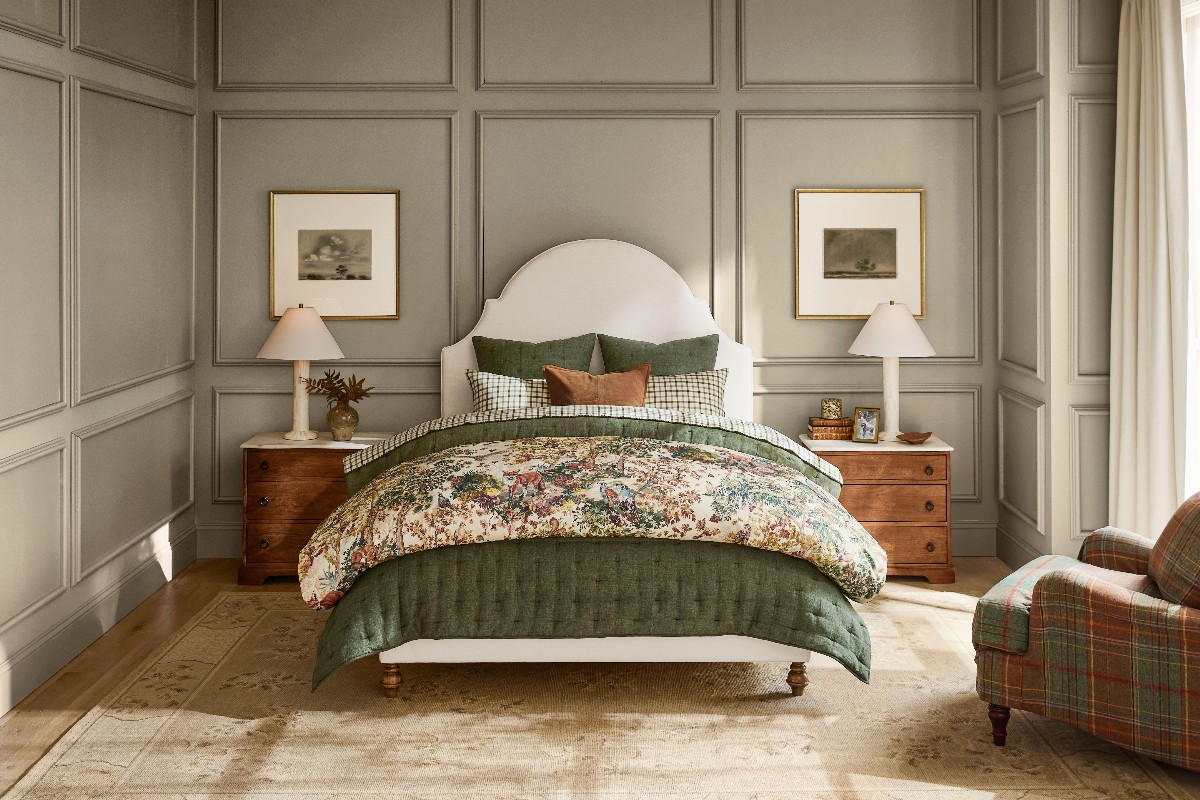
“Instead of clashing prints and patterns for shock value, this approach focuses on introducing patterns in a way that feels intentional and harmonious. It’s about choosing patterns that talk to each other rather than compete, like introducing stripes to echo the rhythm of a check, or using florals to soften a more geometric design,” continues Helen.
“The result is a more restrained and softer form of richness that attracts the eye rather than demanding it. The shift shows there’s a growing appetite for more sophisticated interiors, where personality is expressed through a thoughtful and curated approach.”
Enjoyed these bedroom trends? Click here for more design inspiration
About Post Author