From the first survey to the finishing touches, there are several tradespeople involved in a kitchen or bathroom renovation project. But what does each of them do, and how can you ensure you find the best person for the job? KBB journo Francesca Seden has the lowdown…
Tradespeople are an integral part of every renovation – they’re the ones who bring your wishlist to life, step by step.
So, how do you find the right tradespeople for the project?
Aside from checking the accreditations listed in this guide, and rather than solely relying on your architect or designer, there are a few approaches that will stand you in good stead when looking for tradespeople.
Recommendations from trusted friends and family is a good indicator. A proven track record, especially where you can see evidence of the person’s work, should give you the confidence that they will deliver. A long waiting list for tradespeople, though annoying, is another great indicator of their credibility.
“Local community groups or forums, including Facebook groups, can also be surprisingly helpful,” adds James Bullen, marketing assistant at Old Bank Kitchens. “Beyond that, vetted directories such as Checkatrade, TrustMark, and the NICEIC website offer a more formal route.”


On the flipside, red flags are equally, if not more, important to be alert to, says Lisa Hensby from Lisa Hensby Design & Build Studio. “These include tradespeople offering cash-only deals, refusing to provide written quotes, avoiding references or proof of insurance, or quoting a price that seems suspiciously low compared to others. “Another warning sign is if they can ‘start tomorrow’ – good tradespeople are usually booked up in advance.”
Lisa adds that taking the time to choose the right contractor pays off in the long run. “It not only gives you peace of mind during the project, but also ensures the result looks beautiful and performs exactly as it should.”
Get to know the tradespeople
To help you discover what’s involved, the accreditations to look out for, and red flags to be wary of, we’ve reached out to an architect, surveyor, electrician, plumber, tiler, installer, and painter, as well as design studios, to bring you the answers…
- Architects and surveyors
- Principal building surveyor
- Electricians
- Plumbers
- Tilers and waterproofers
- Installers
- Painters and decorators
Architects and surveyors
“The architect will not only help you design your dream kitchen extension, but also hold your hand throughout the entire journey,” says Peter Lančarič, architect at Plan Studio. “During the initial briefing meeting, they will advise you on the likely cost of the project and the overall timescale required to plan and construct the extension. If planning permission is necessary, they will submit and monitor the planning application on your behalf. A structural engineer will also be needed to prepare the technical design documentation.”
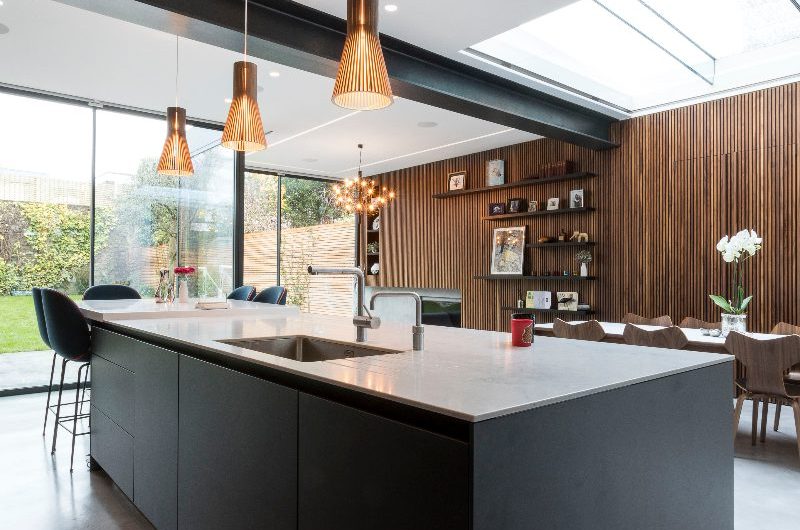
Peter says that the architect will then tender the project to help you find the right builder. Architects know local building contractors they repeatedly work with. But there are a couple of other hoops to jump through before the building work can start. “If applicable, and there are various triggers for this, you may need to serve notices on your neighbours under the Party Wall Act. Usually, a Party Wall Surveyor is appointed to assist with this process,” continues Peter.
“Next, a building inspector will review the design documentation, and will also visit the building site at particular stages to inspect the work as it progresses. Your architect can also prepare the building contract – between you and the builder – and oversee the build though to handover. Having a contract in place is essential as it sets out the roles of those involved, but also how the work will be paid for.”
Accreditations needed: Royal Institute of British Architects (RIBA) membership

Principal building surveyor
“With the use of highly accurate survey methodology and technology, we can survey existing buildings and their associated land – this ensures detailed 2D and 3D drawings can be provided as a precise source of information for construction professionals to utilise throughout the design and build (renovation) process,” says Christopher Kendall, building surveyor from Greenhatch Group.

He adds that the drawings enable the tradespeople involved to be informed of the geospatial conditions prior to considering future schemes. “Representation of the existing internal and external building is essential in order to find solutions that acknowledge floor layout, elevations, utilities, drainage, waste, and local terrain; so that reliable proposals can be made to clients and, where required, planning officials.”
Accreditations needed: CQS (Certified Quality Systems), TSA (The Survey Association), RICS (Royal Institution of Chartered Surveyors)
Electricians
You’ll want to meet with an electrician as early as possible in the design process, to go through the plans and confirm the position of appliances, lighting, and sockets. “At this stage, they’ll also assess the existing wiring to determine whether it can be adapted or if a full upgrade is required,” says electrician Chris Roughley.
Then, you’ll get a written quotation from them, which will outline the estimated costs for labour and materials, as well as details of the certification that you’ll receive once the work is finished. “The first stage of actual work is the first fix. This takes place before plastering, tiling, or the installation of kitchen or bathroom units,” continues Chris.
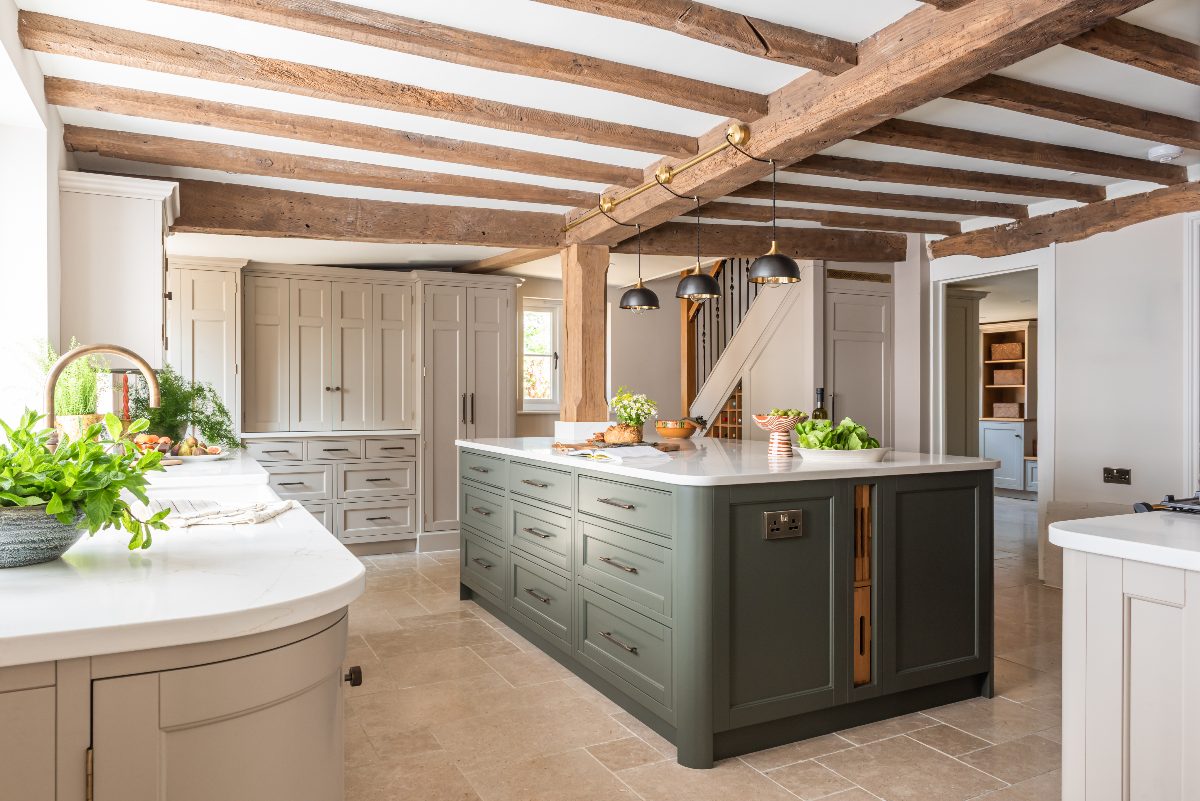
“In a kitchen, this usually means running new cabling for appliances, under-cabinet lighting, sockets, extractor fans, and occasionally underfloor heating. In a bathroom, it can involve preparing cabling for downlights, extractor fans, shaver sockets, electric toothbrush holders, heated mirrors, or towel rails.”
As Chris explains, once the room is plastered, painted, tiled, and the units are in place, the electrician returns for the second fix. At this point, appliances are connected, and sockets, switches, downlights, and extractor fans are fitted.
The final step is testing and certification. “Every circuit and fitting is tested thoroughly, and you’ll be issued with a Part P or NICEIC certificate as proof that the installation is safe and fully compliant with regulations,” says Chris.
Accreditations needed: NICEIC
Plumbers
In kitchen or bathroom projects, the plumbing side is often one of the first and last stages of the installation. As Ross McCracken, plumber from Elements Heating Services, says, “A fixed quote will be based on drawings, schedules, and a site visit. This usually involves labour, standard materials, any boiler-related work or upgrades, and optional extras like water softeners or underfloor heating kits.”

Once a layout is confirmed, the plumber will visit the site to assess the existing pipework and plan for the new layout, taking into account appliance locations, water pressure, boiler access, and any bespoke requirements.
“Then, first-fix plumbing is carried out, before units or tiling go in. It includes repositioning or installing fresh pipework, drainage runs, and isolators, based on the agreed plan. Everything is pressure-tested at this stage to avoid any surprises later. Next is installation of heating elements, including radiators, underfloor heating, or towel rails. For bathrooms, this might also include recessed valves or shower components.”
Once cabinetry and flooring or tiles are installed, the plumber returns to fit and connect sinks, taps, dishwashers, washing machines, and other appliances. For bathrooms, this includes basins, WCs, showers, baths, and the final sealant. Last but not least, all fittings are checked for pressure, flow rate, and functionality.
Accreditations needed: WaterSafe, Gas Safe, CIPHE registration
Tilers and waterproofers
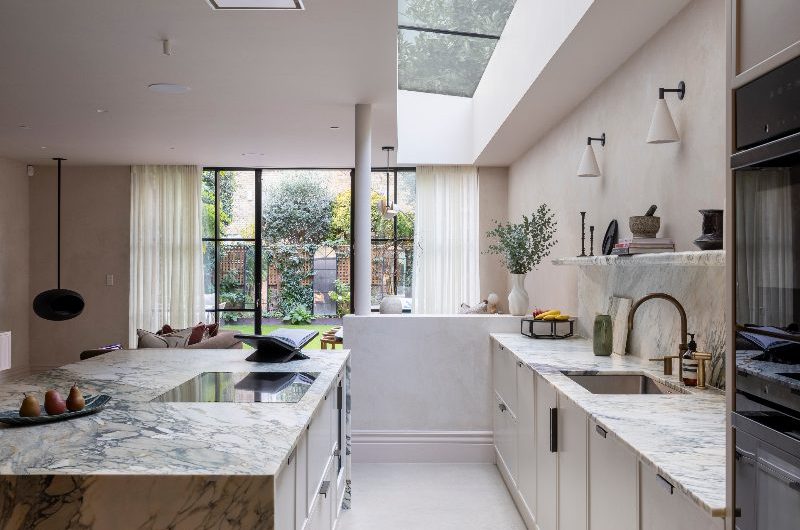
Spotted your favourite tiles but don’t know where to start? A tiler will sit down with you to discuss tones, textures, and your desired aesthetic, as well as talk budget. “From there, we book a site survey. We measure, photograph, and assess the bones of the room – levels, substrates, junctions, and all those little edges that make a finished space look ‘meant to be’,” says Peter Kedden, company director and site manager, tiler and waterproofer at Alfa Tiles.
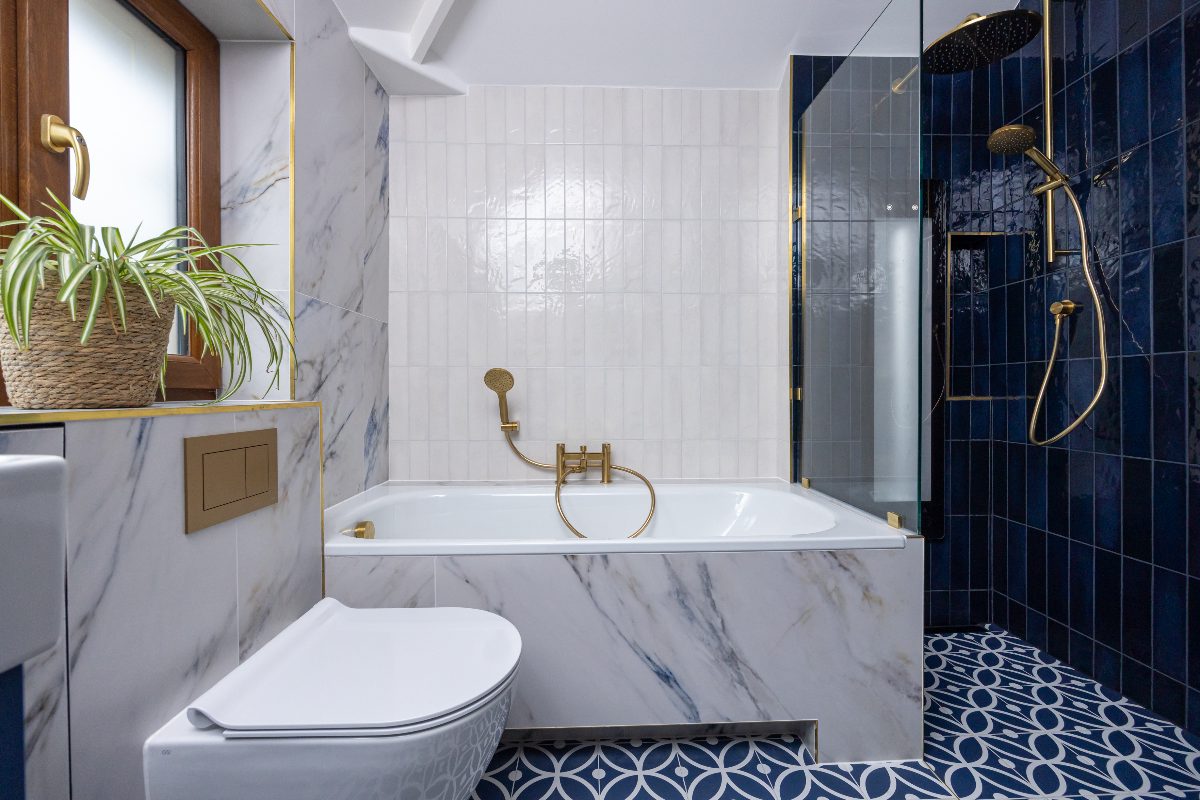
“Then we will commit to an estimated price. We inform our clients that there might be a 10% (plus or minus) difference in material costs. Hidden ‘unknowns’ can also prolong the process and add extra labour days.” Peter also points out that preparation is everything.
“In bathrooms and wet zones, we re-board with XPS construction boards, tape and seal every corner, and tank the areas that need it. On floors, we check levels and, if required, pour a self-levelling compound; where movement is likely, we add a decoupling membrane to guard against future cracks.”
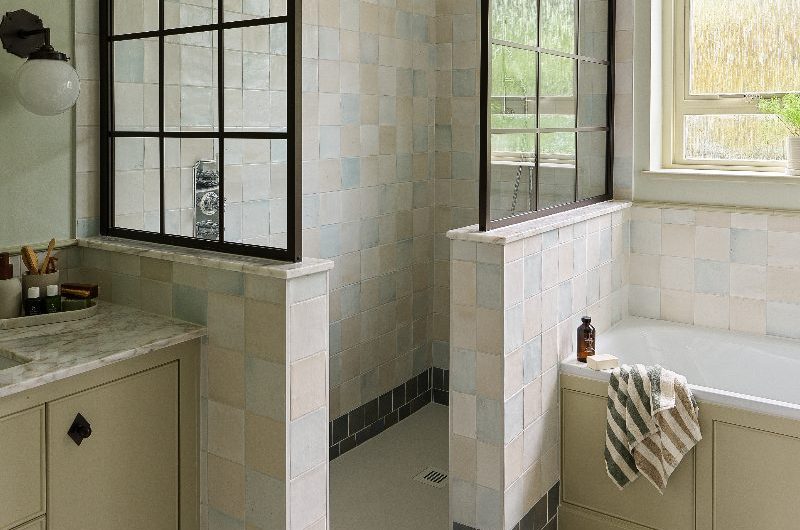
Finally, installation is meticulous, using high-quality, fibre-reinforced powder adhesives. Tanking or waterproofing is folded into the bathroom preparation, so that showers and wet areas are properly sealed before a single tile goes on. “For specialist environments like steam rooms or complex structures, we’ll fully waterproof the rooms and follow the manufacturer’s systems so your warranties remain intact.”
Accreditations needed: NVQ Level 2 in Wall & Floor Tiling and a valid CSCS card. The Tile Association membership and manufacturer training (such as Schluter, Ardex, Mapei, BAL) are reassuring, too.
Installers
Any good installation starts with preparation, to include walls, floors, and services (water, waste, and energy in the main). This work is needed before the first-fix installation, which includes installing the furniture and templating things like work surfaces. “Next, is the second-fix installation, which includes the final fixing of appliances, work surfaces and decoration,” says Damian Walters, CEO of British Institute of Fitted Interior Specialists.
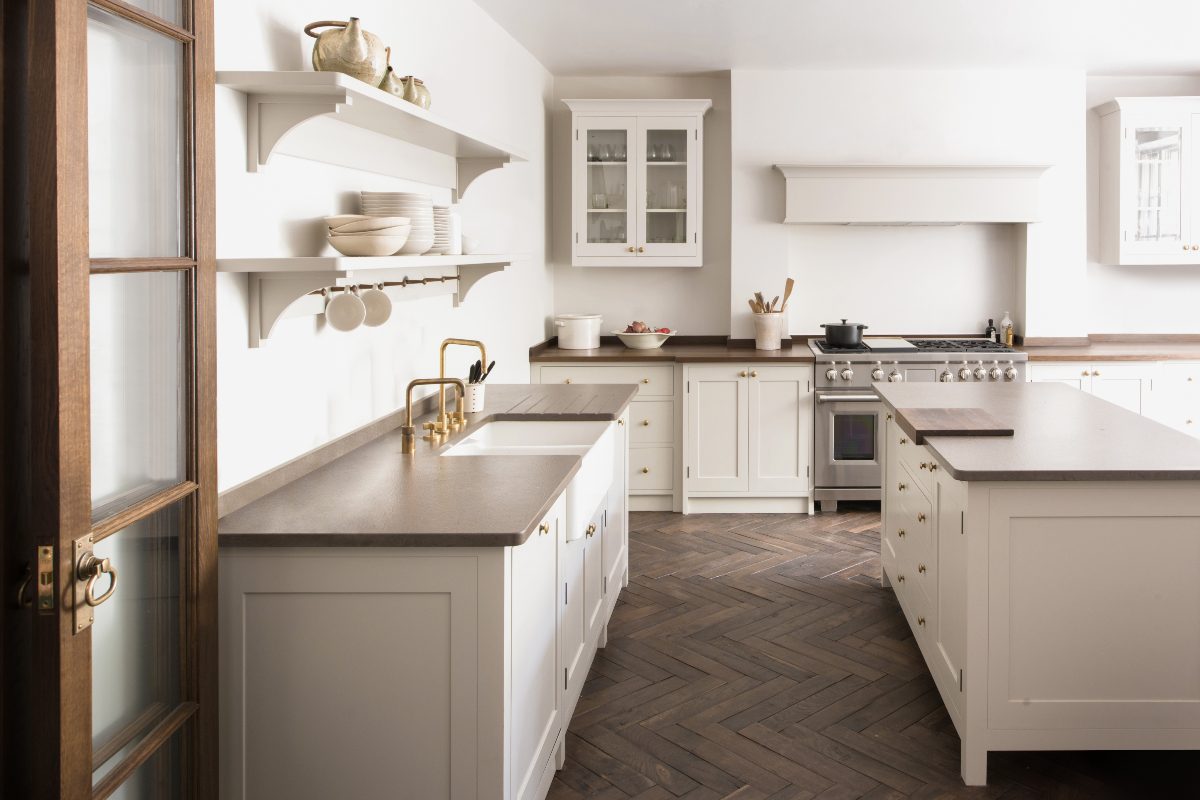
“In reality, a fourth step could include remedial work – the finishing of any final bits that perhaps wasn’t possible in the first instance. This could be anything from adjusting doors to making small repairs, which are all very common.”
From there, you have a sign-off process, where the work is completed and you’ll be asked to confirm so. Damian advises to take your time to make sure you’re happy, but rest assured that any post-installation sign-off from you will not negatively affect your statutory rights. “If areas of dissatisfaction emerge post sign-off, you will still be entitled to raising them, for which your installer will be legally obliged to review and rectify where necessary.”
Accreditations needed: BIFIS
Painters and project decorators
“When most people think about decorating walls, they often imagine it’s just a matter of applying a couple of coats of paint. In reality, creating a flawless, durable finish is a much more involved process,” explains painter and decorator Craig Bee. “Before I even open a tin of paint, I take the time to prepare the space properly. That means protecting floors, worktops, and furniture, and then sanding and filling walls and woodwork. The aim is to create a perfectly smooth base, as paint will only ever look as good as the surface beneath it.”
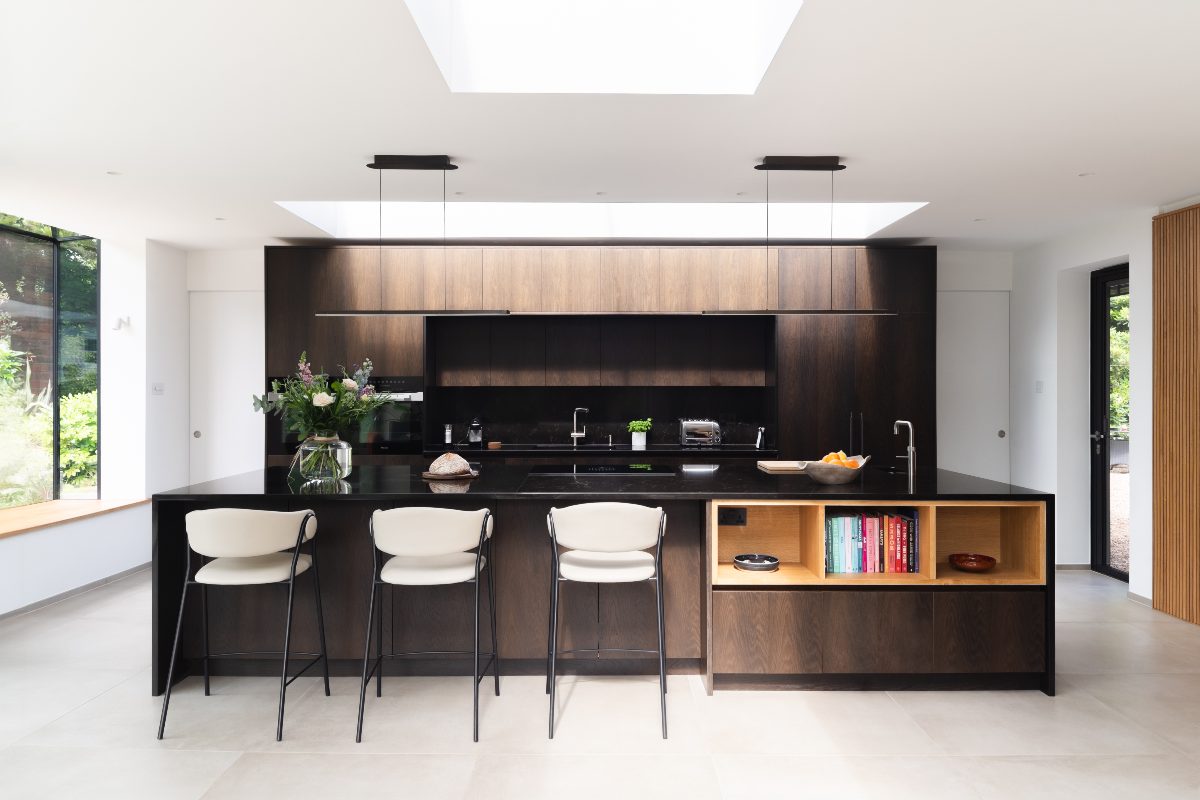
Craig adds that bare plaster and fresh wood need specialist undercoats to help the paint adhere properly and to prevent issues like peeling, flaking, or uneven colour. The right primer ensures longevity and sets the foundation for a professional finish.
“Kitchens and bathrooms demand more than standard emulsions,” he continues. “I use high-performance products specifically designed to withstand moisture, heat, and condensation, with built-in mould resistance. Several coats are usually required to achieve depth of colour and the durability these spaces need.”
Then, you’ve got the final check and clean-up: once the painting is done, the painter will remove protective coverings, carry out a thorough inspection, and ensure every detail is spot on. “The space is left clean and ready for use,” concludes Craig.
Accreditations needed: Painting and Decorating Association
We hope you are now ready and well-equipped to seek the help of tradespeople for your project. Happy renovating!
Enjoyed this post? Click here for more tips on finding tradespeople for your kitchen or bathroom renovation
About Post Author