As KBB journo Charlotte Luxford contemplates her upcoming bedroom design, she asks the experts for insider tips on how to pick the best spot for your bed to help with your project…
As I write this, I’m in the process of planning our loft conversion, and this is a question I’ve asked myself a lot recently. It turns out, ‘where to put the bed’ is something of a conundrum, and there are many factors at play as to what makes a good position for it.
Symmetrical arrangements
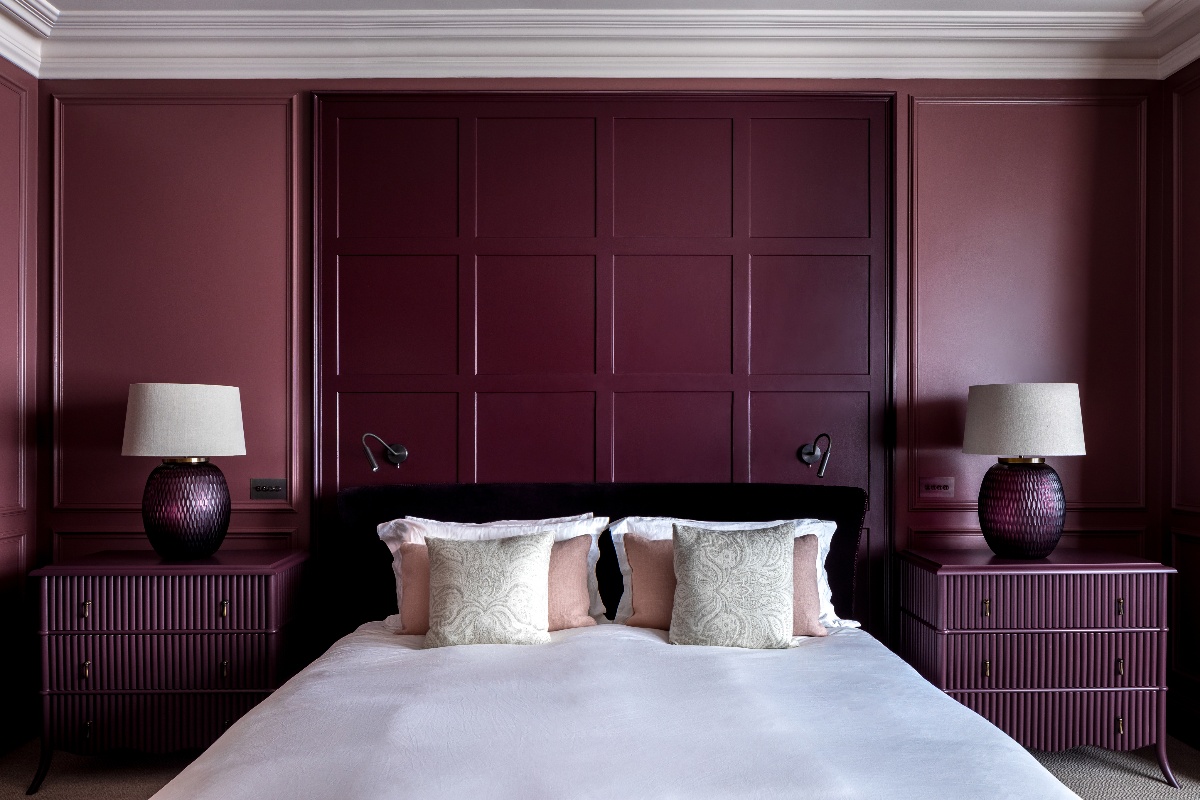
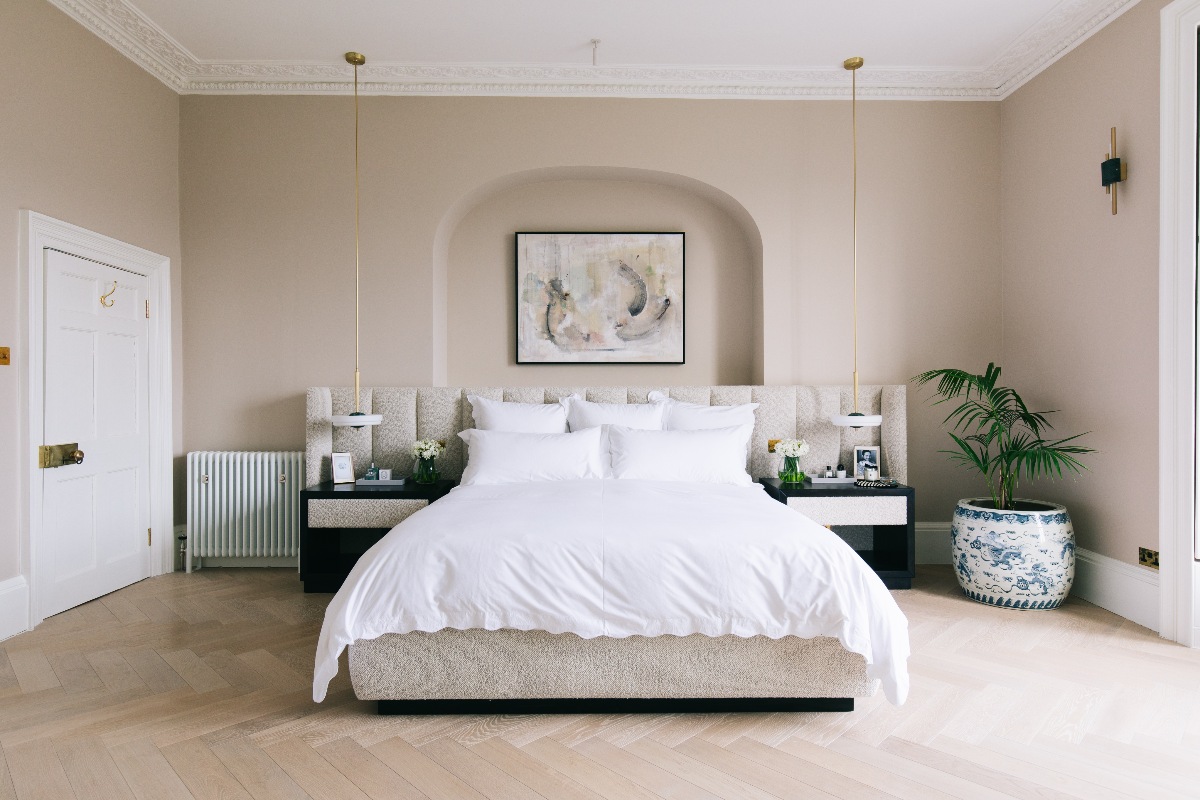
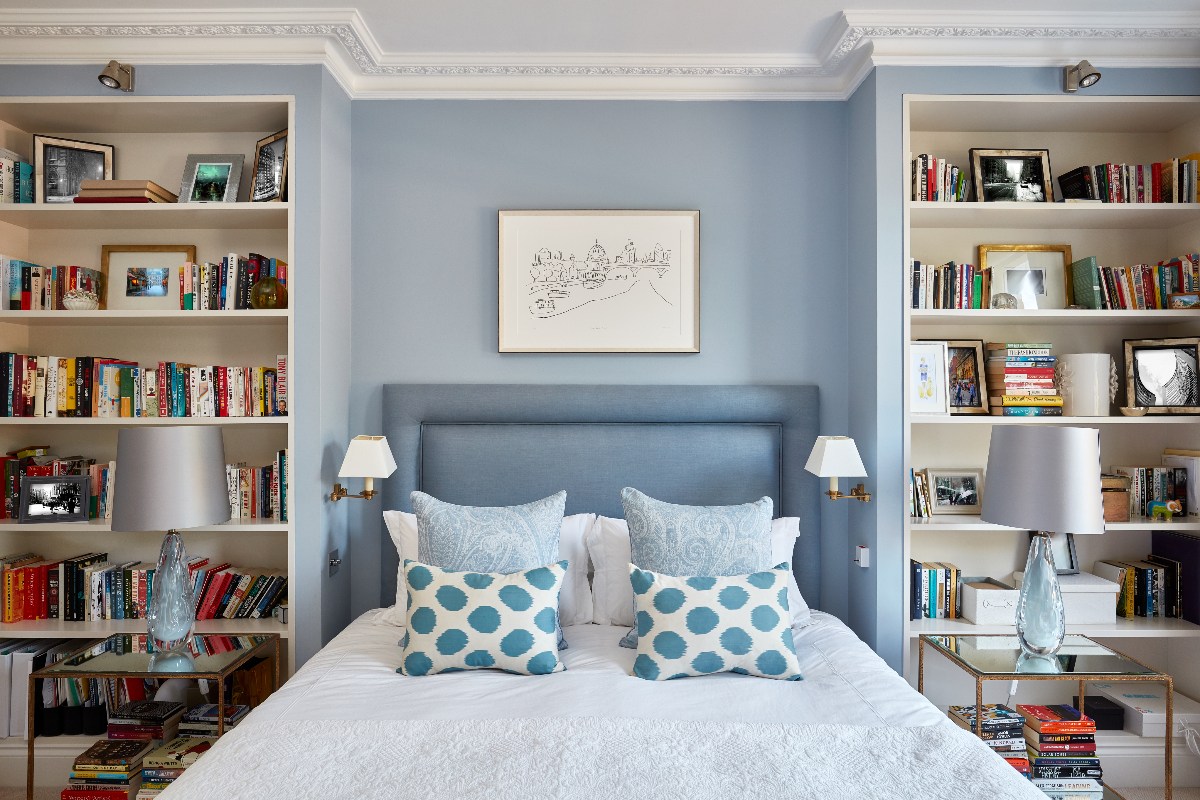
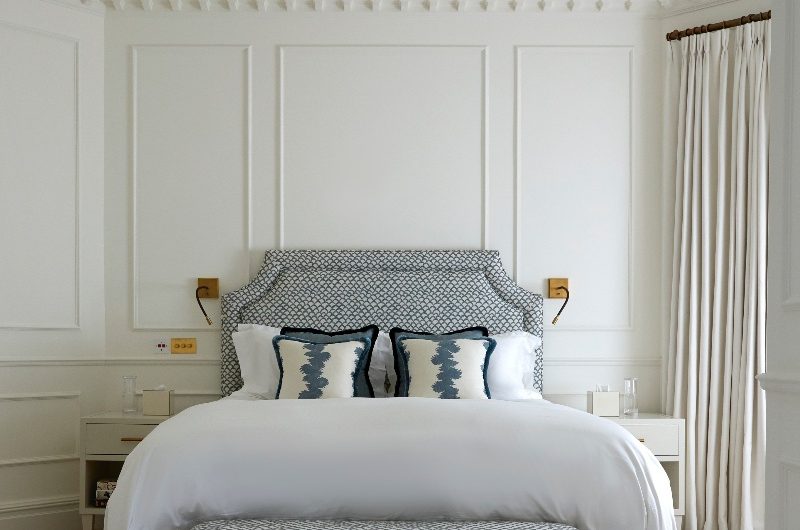
Classically, you will find many interior designers and homeowners preferring a symmetrical arrangement, where the bed sits centrally along the longest wall, often in front of the doorway, with bedside tables either side. This is often the most sensible, too, and, in some bedrooms, there won’t be much of an alternative.
“I always encourage my clients to think about the journey into the space; ideally, the bed in a larger room should be the focal point, framed by symmetry or anchored by artwork,” says interior designer Sean Symington. “You want breathing room either side if you can, enough for bedside tables and to maintain balance.”
Get creative
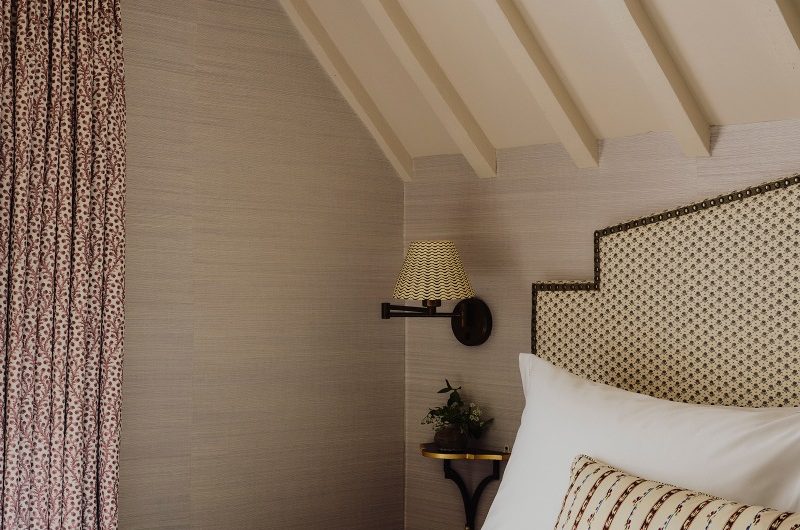
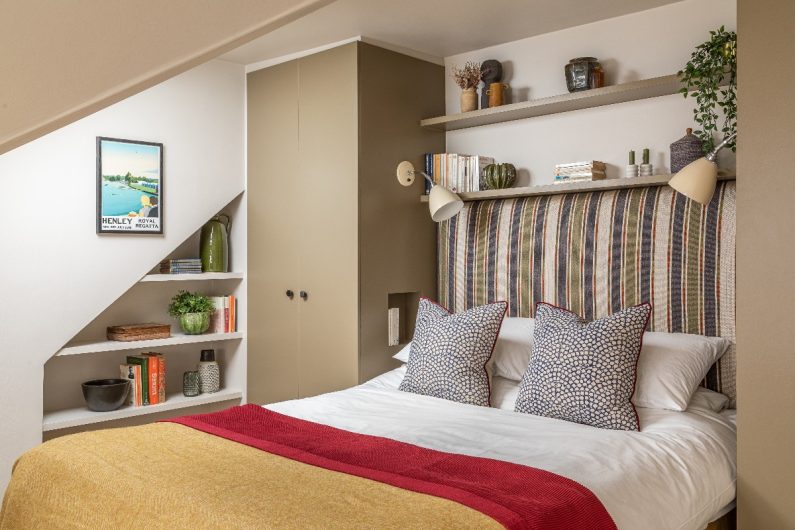
However, there are other considerations when it comes to maximising the potential of a layout, especially if you’ve got a smaller bedroom, or in our case, playing Tetris with a bed in a loft conversion. For example, tucking a bed under the slanted roof is actually a clever way to utilise the eaves space, allowing you to save proper head height for an ensuite shower or wardrobes elsewhere in the bedroom.

Another predicament that I’m working with is wardrobe space versus bed – I need ample room for clothes (my recent Vinted obsession has meant my closet space has become rather limited), and so having the bed along the longest wall means there’s less wardrobe room.
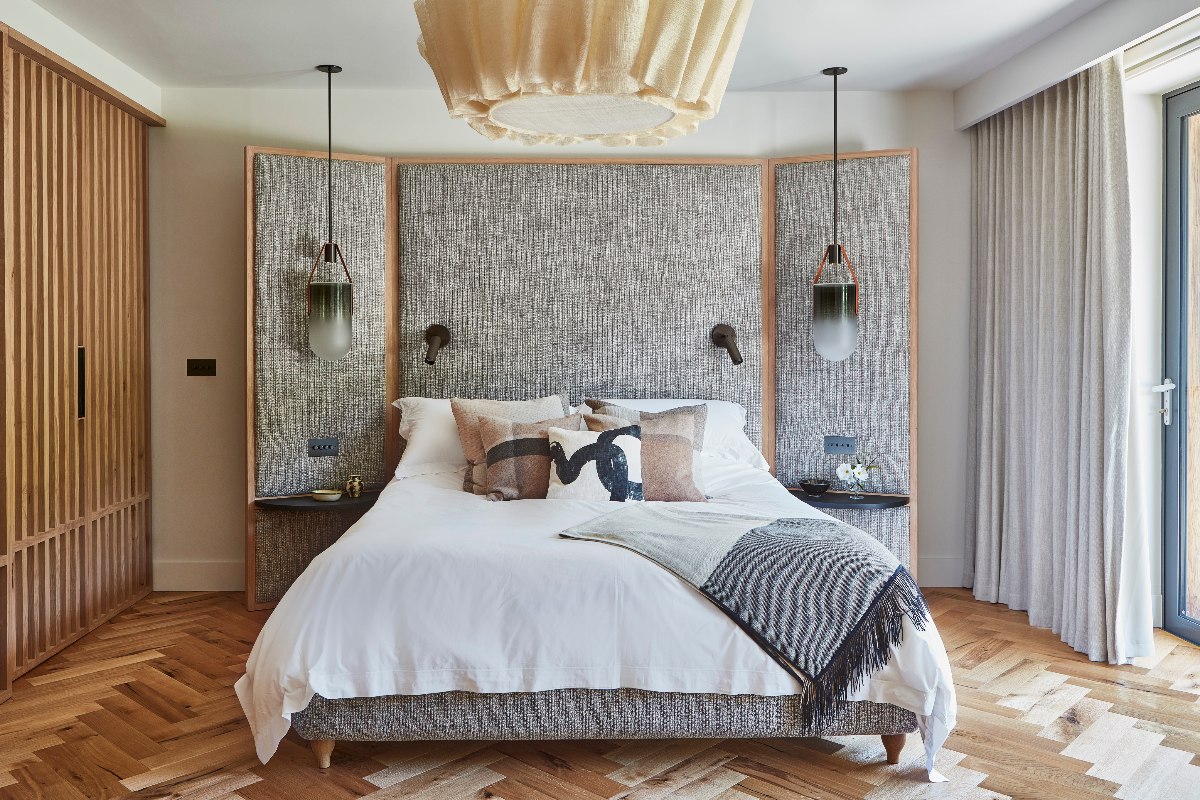
However, one arrangement I’m particularly loving at the moment is wardrobes built around the bed to create a kind of bed ‘nook’ – much like they did in the ‘80s but in a more on-trend way; think cool coloured doors, rattan panelling, and brass handles rather than heavy pine units.
Some designers have even recessed bookcases or incorporated pull-out desks or mini dressing areas into this cabinetry, meaning the space is fully maximised. Murphy (fold-down) beds are also a great solution for spare bedrooms, allowing for a multifunctional layout, such as a home office and guest bedroom in one.
The focal point
Sometimes it’s OK to simply make the bedroom all about the bed – why not make it a feature? After all, it is the most important piece of furniture in the room, given we spend a third of our lives in it. A four-poster bed makes a great statement, especially if you’ve got high ceilings, as it can help fill the space and make it more intimate, according to interior designer Elizabeth Hay. To give it even more gravitas, it can also help to bring it away from the wall, or even position it more centrally if you have a room with very large proportions.
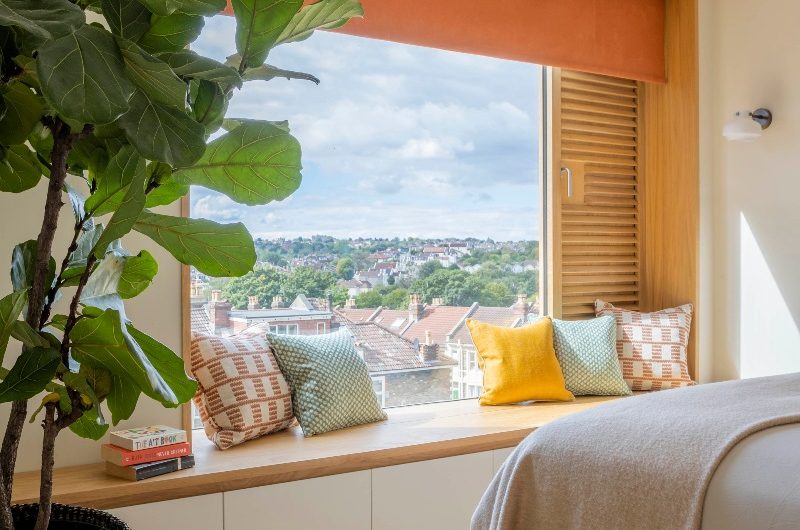
If you’re blessed with amazing views, it may be worth considering turning your bed to face the window, so you can wake up in the morning to treetops and sunshine rather than a blank wall. If the room is large enough, it may be possible to build a partition wall that also acts as a headboard in order to position the bed facing a window and then include a dressing area or even ensuite behind the wall.
Don’t overlook lighting
Another consideration when choosing your bed placement is light. “Are you a ‘curtains open’ type of person that loves to rise with the sun, or are you like me, and employ black-out blinds and curtains in addition to a sleep mask in order to get every last minute of rest?” asks interior designer Naomi Astley Clarke.
If you’re the former, Naomi suggests placing your bed opposite an east- or south-facing window so that you can really appreciate the view in the morning, and if you’re the latter, she recommends directing the bed in a north- or west-facing direction to minimise light levels first thing.
Consider the style of your bed
The style of bed you choose can also have an impact on how much space you have – sleep experts often recommend going for the largest bed the room can take to ensure a good night’s kip, so if this is a priority for you but space isn’t in abundance, considering an ottoman bed with plenty of storage underneath can help solve this problem to some degree.
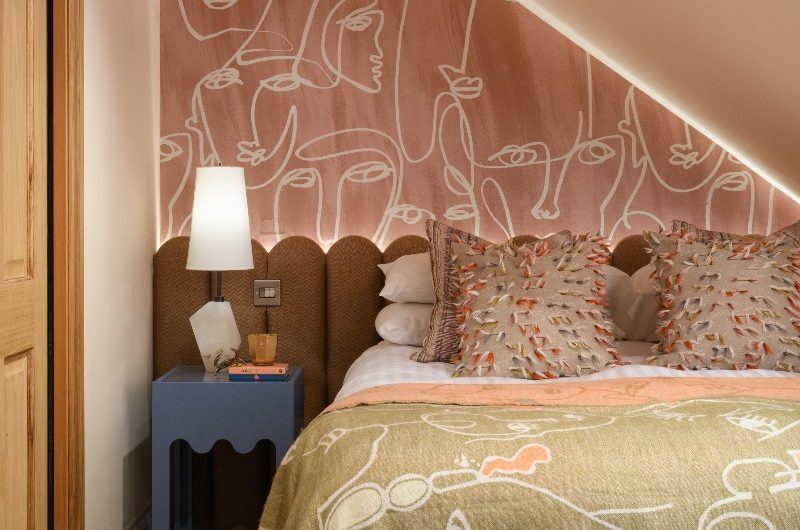
Headboards can also add to the illusion of space. A tall headboard, for example, adds height, while a low-level one that spans the length of a wall creates a sense of width.
Measure your bedroom carefully
Once you’ve finally decided on where your bed should be positioned, it’s worth checking out your chosen layout before you commit. “Measuring carefully is a must to ensure you can open doors, wardrobes, and storage drawers – if you have opted for a divan storage bed,” adds Hannah Rosman, marketing director at Willow & Hall.
You could draw up a to-scale floorplan on square paper if you’re feeling thorough, or another tactic is to actually mark out the bed and any other furniture with masking tape on the floor of the bedroom to get a sense of whether it feels right.
In the end, the position of your bed will come down to practicality versus ‘where feels right’. In my case, it’s a toss up between my vision of waking up to face views over the North Downs (which would mean a tighter layout), or having oodles of wardrobe space I could only dream about until now. Stay tuned to see where we end up; my suspicion is that the ‘tidy room, tidy mind’ mantra will win out.
Enjoyed this post? Click here to get into the Christmas spirit with these cheerful bedding sets
About Post Author