Can you achieve a calm home during the busiest time of year? We reveal how to turn your kitchen, bathroom, or bedroom into a sound-free, zen space…
Children running frantically around the kitchen, oven beeping in the background, and Mariah Carey belting out her perennially festive tune. Can’t you just hear the carnage? If you’re dreaming of something a little quieter, I’ve spoken to the experts to discover how you can turn your home into a serene sanctuary – in terms of your interiors, of course. And, as it turns out, while you can’t take excited screams out of the equation, there are a few things you can do to ensure a calmer atmosphere for you and your guests.
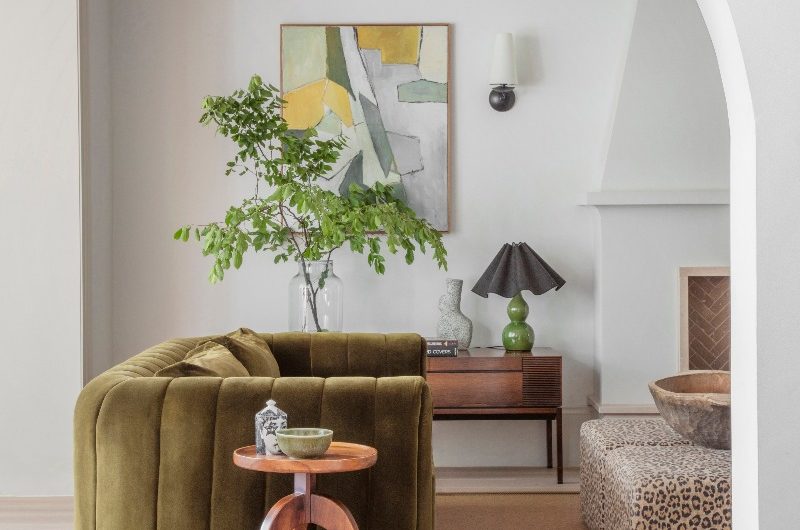
Quiet appliances and cabinetry
According to Kunal Trehan, interior designer and founder of Touched Interiors, appliances that work in ‘hushed’ tones are a good place to start to create a tranquil ambience.
“A whisper-quiet dishwasher or an induction hob with an almost-imperceptible hum allows conversations to flow without interruption,” he says. “For refrigeration, consider models with advanced dampening technology so that the only thing your guests notice is the chilled champagne rather than the motor. Even extractor fans now come in discreet versions that purify the air while barely making a sound.”
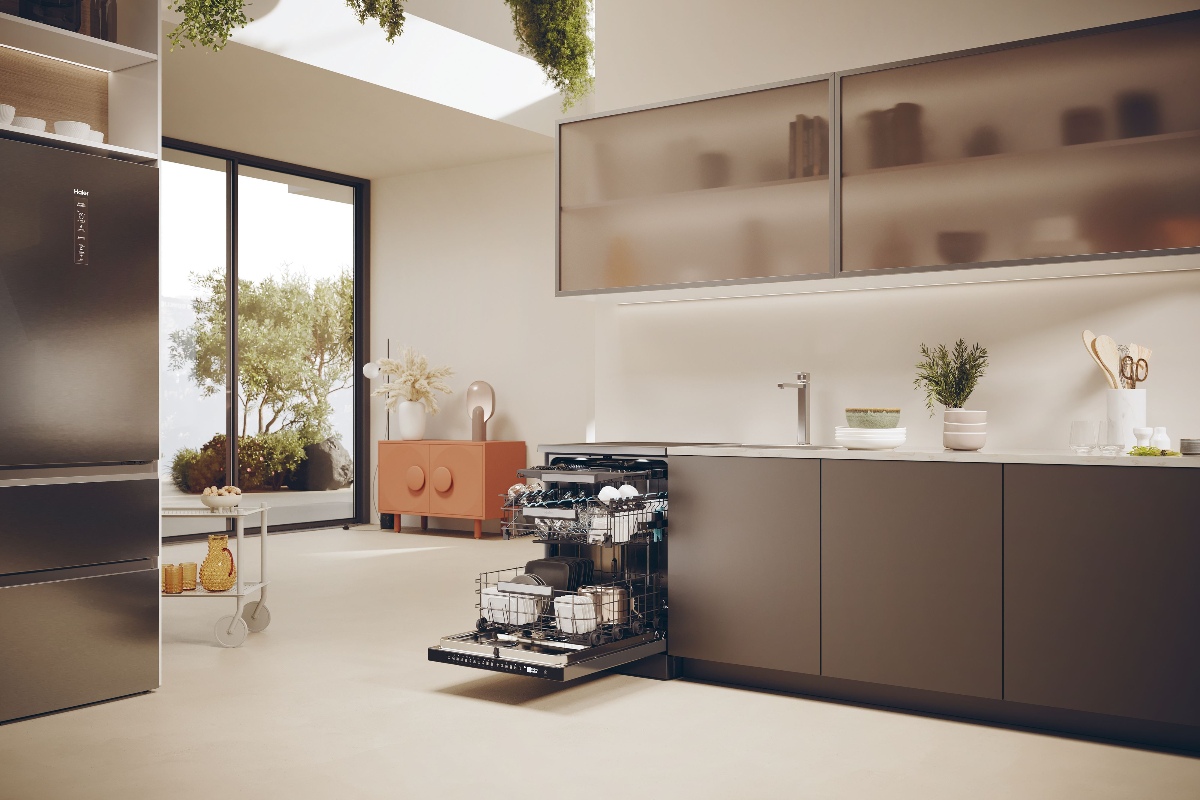
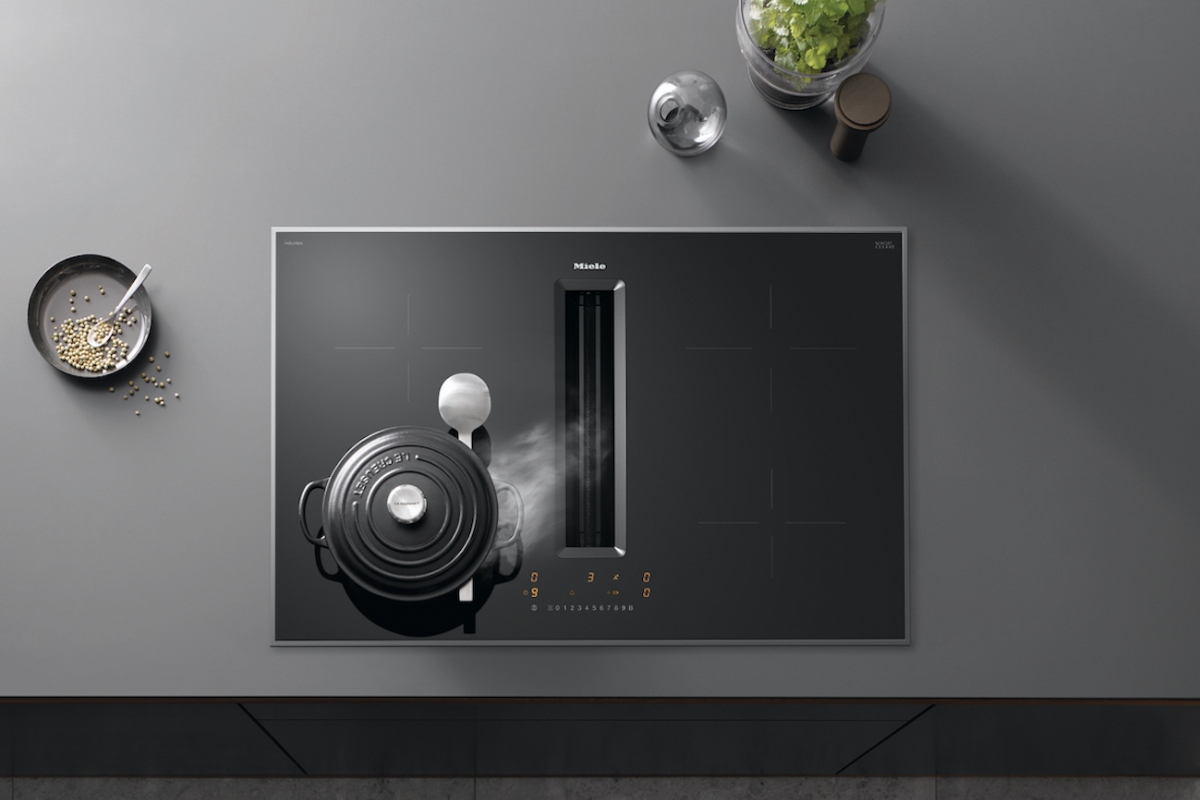
Sounds like heaven? Then the first thing to look out for are appliances certified by Quiet Mark, advises Richard Howarth, product manager (dishwashing) at Haier UK. “These are designed to blend into the background, even during busy gatherings. Although, don’t forget to load smartly. Plates or pans knocking together can create unnecessary clatter. Secure items firmly and avoid overloading racks to reduce movement during the wash cycle.”

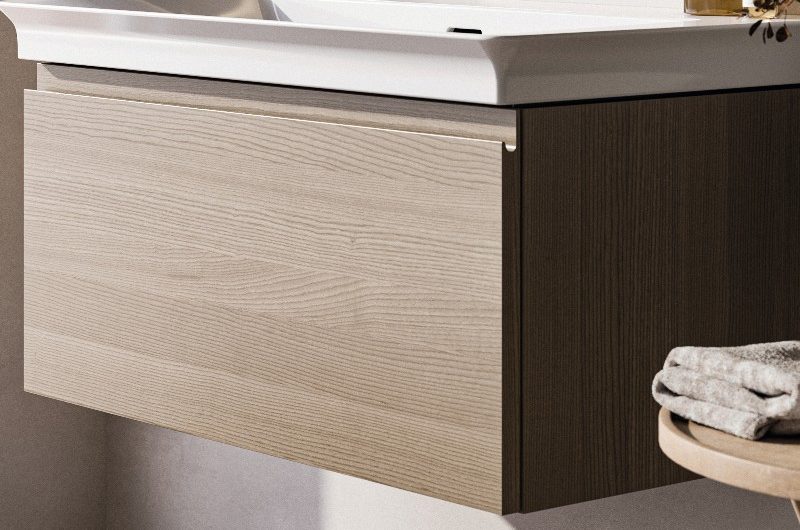
Furthermore, the choice of your fittings and cabinetry, and where you place your appliances, can play an important role in keeping the home quiet. “Soft-close drawers and cupboard doors prevent the sharp bangs that build up when several people are moving around the kitchen at once,” says Gareth Davies, design director at Classic Interiors.
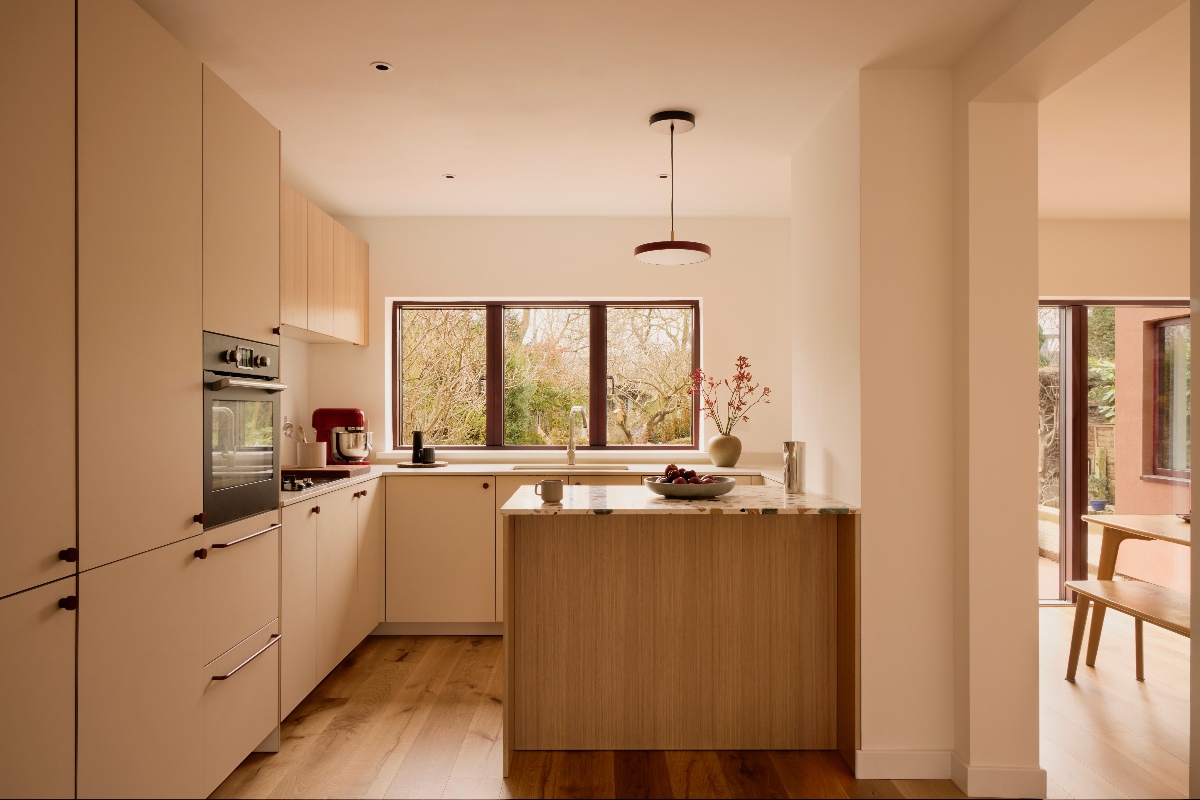
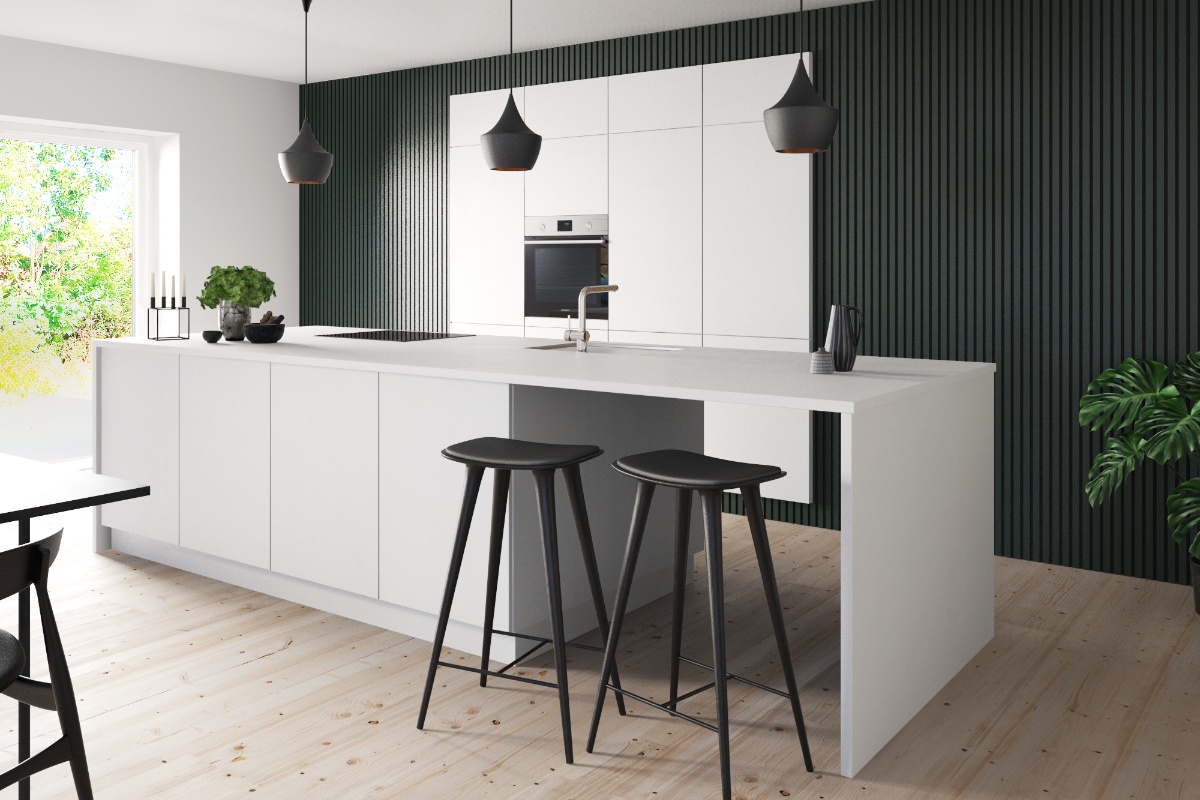
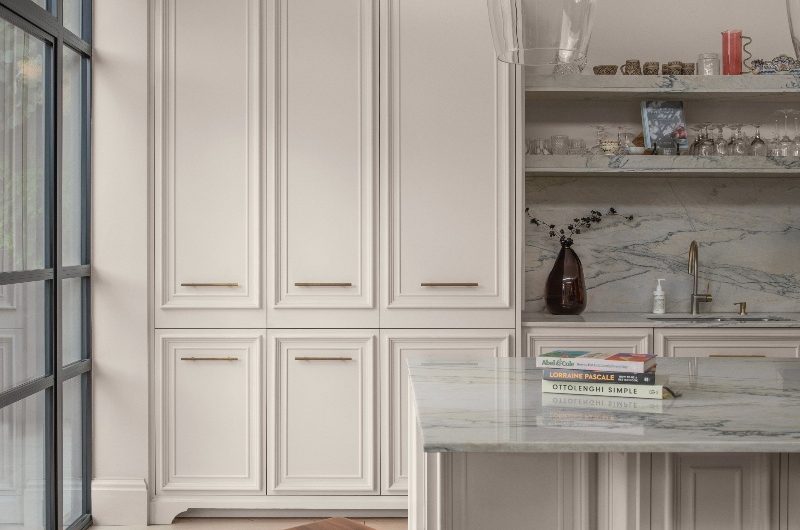
Don’t underestimate the power of materials, either. “Natural wood panelling, velvet upholstery on banquettes, and fluted cabinetry fronts absorb sound and soften echoes,” says Kunal.
Perfect insulation
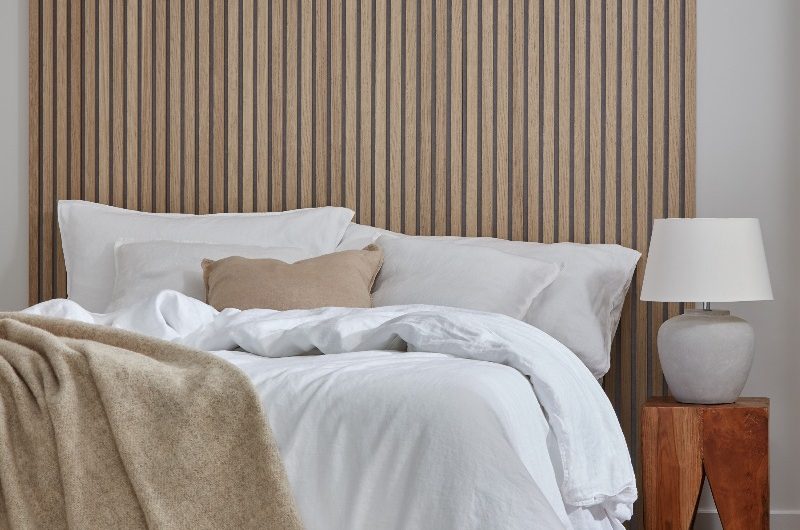
Of course, one of the most obvious ways to reduce sound in the home is soundproofing. Acoustic wall panels, usually made of a timber frame and filled with materials such as foam, fiberglass, and wool, can be installed in your kitchen or bedroom, to absorb sound.
“In an increasingly busy and noisy world, making your home a peaceful haven can be tricky; but with acoustic wall panels, you can relax in peace and quiet,” says Charlie Farrar, creative product manager for Naturewall, whose acoustic wall panels are crafted using a felt backing.
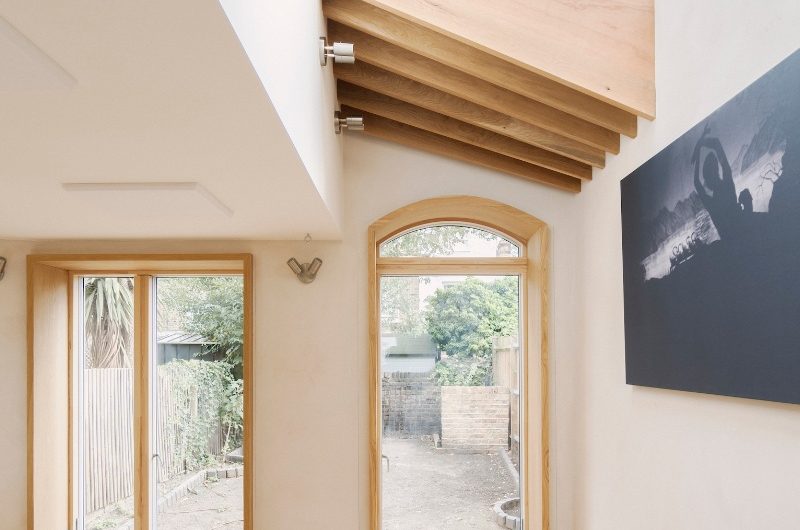
Or, you can opt for acoustic plaster systems, instead. “Acoustic plaster helps create quieter, more audibly comfortable interiors. Unlike traditional soundproofing materials that can often feel intrusive or utilitarian, it provides a smooth, seamless finish that resembles conventional plaster whilst enhancing acoustic performance,” explains Armourcoat’s brand director Ian Masonbury.
The system combines a base layer over an acoustic board with a thin top coat of specially formulated plaster – this absorbs sound waves rather than reflecting them, reducing reverberation and background noise.
For complete privacy, why not try sliding pocket doors with acoustic seals. “These allow guests to enjoy a glass of wine at the table while the clearing away happens in near silence behind the scenes,” says Kunal.
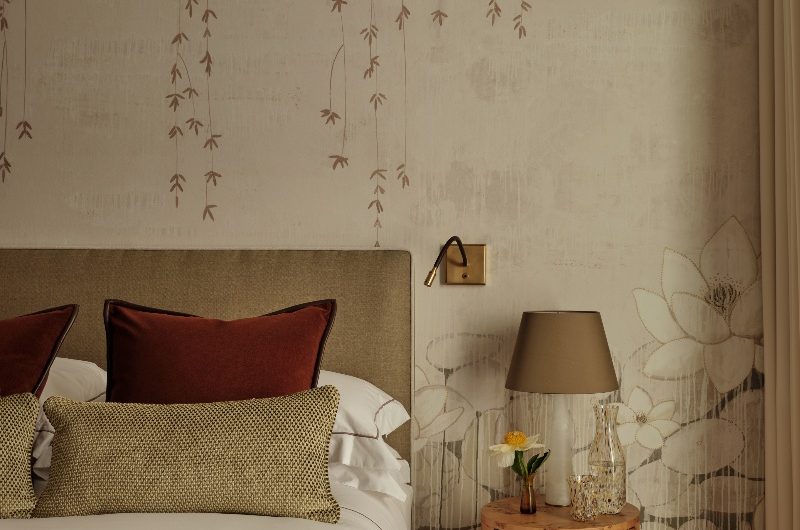
And as a simpler solution, Sophie Clark, style expert at Plumbs, recommends made-to-measure curtains and Roman blinds which help absorb sound from hard surfaces, and reduce echoes.
When it comes to flooring, Nick Acaster, managing director at Rugs Direct, advises laying down a rug to soften the sound of a hard floor, while adding a layer of texture and comfort. And if you’re after a timber look, consider engineered over natural wood.
“Because of its layered construction, engineered wood minimises the effects of temperature and humidity fluctuations in your home. This reduces expansion and contraction of the planks, preventing the friction that causes unwanted creaks,” says Natalie Mudd, co-founder and creative director at Knot & Grain.
Vinyl is another excellent choice, with Parador CEO Neel Bradham recommending it for its soft feel underfoot and soundproofing qualities.
Quiet bathrooms
No one wants to hear a toilet flushing whilst enjoying dinner, so make sure your main bathroom and cloakroom are as quiet as they can be. “Slamming lids, noisy flushes, and echoing tiles can quickly disrupt the peace,” says Yiota Toumba, senior designer at Villeroy & Boch Group. “One of the easiest ways to make your bathroom feel calmer is with soft‑close fittings. A toilet lid that settles quietly instead of slamming, or a drawer that glides shut without a sound.”
And Sophie Weston, head of marketing at Geberit, adds that wall-hung toilets with concealed cisterns tend to operate more quietly than traditional, floor-mounted models. “It’s also important to select toilets that feature quiet fill valves and flushing mechanisms, which are specifically designed to reduce operating noise,” she continues.
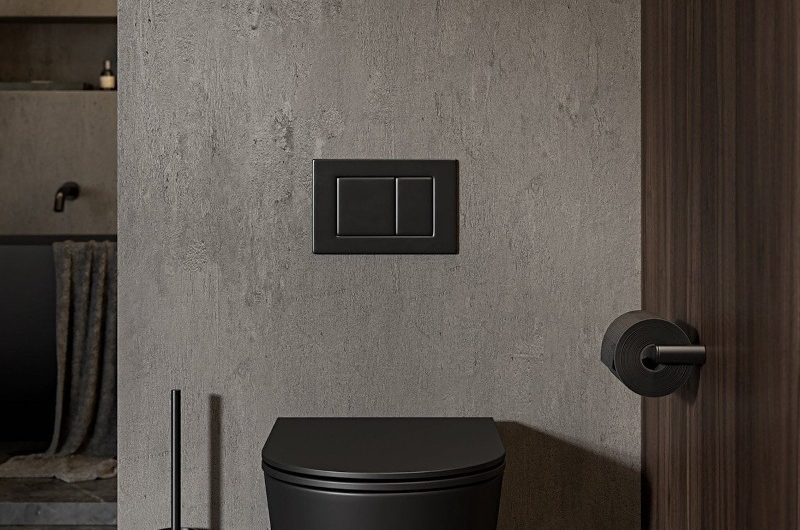
At the same time, the shape of the ceramic pan can affect how much noise the flush produces. For example, certain Geberit WCs have a rimless, asymmetrical design allowing water to flow into the pan laterally, and then swirl through, thanks to the Geberit TurboFlush technology.
“This ensures the water glides almost silently over the inner surface of the ceramic pan, minimising turbulence and splashing, which helps keep flushing noise to a minimum,” concludes Sophie.
Wait – did you hear that? It’s the sound of silence.
The key to a quiet home…
● Quiet interiors are about more than just acoustics, says Sophie from Plumbs. Indeed, there are ways to achieve a calming atmosphere, besides reducing sound. “At Plumbs, we’ve seen how by layering in textiles and weaving in softer finishes, you can create interiors that feel cosy and guest-ready,” she explains.
● Opting for a more pared-back, neutral palette, alongside clear, decluttered worktops and vanity tops, can contribute to an overall tranquil space. “Shades like our White 06 and Taupe 03 create a visually quiet backdrop that softens a room and brings an instant sense of ease and relaxation,” says Tash Bradley, Lick’s director of interior design.
Enjoyed this post? Click here to get into the Christmas spirit with these cheerful bedding sets
About Post Author