Colour, move aside! It’s time to make way for timber… We explore what you need to know about the latest decorating technique.
It all started with saturating a room in colour; but as trends ebb and flow, we’ve then seen daring shades swapped for pattern, followed by statement stone, and tiles. Now, wood is the latest material to take centre stage in both contemporary and classic interiors. “Wood drenching is about surrounding a space with timber, using the same or similar wood across floors, walls, ceilings, and sometimes furniture, to create a seamless and cocooning atmosphere,” explains Ian Tomlinson, managing director at Chaunceys Timber Flooring.

To me, this look oozes an alpine chalet-like feel, adding warmth and character to a space. But how do you go about achieving it, and what should you consider before enveloping your kitchen, bedroom or bathroom in timber?
Where to start drenching your home in wood
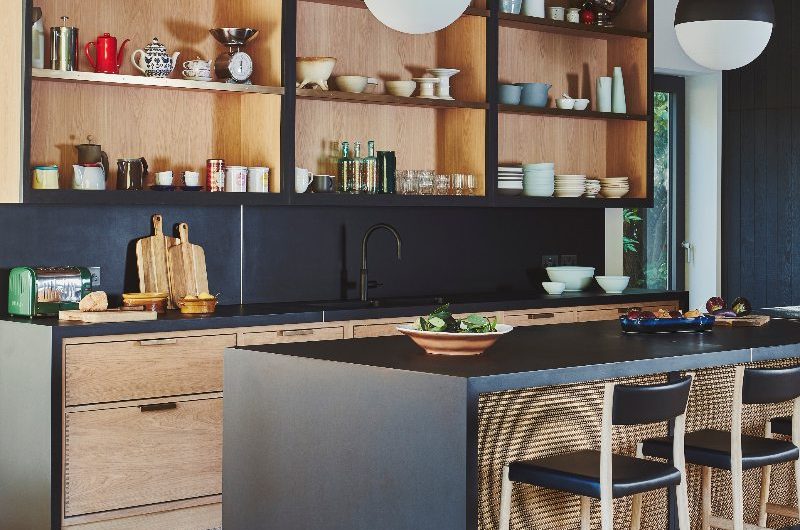
First, let’s look into what’s made wood so popular. “With the desire to bring nature into the home through organic materials and natural textures, wood drenching has gained momentum,” says Natalie Mudd, co-founder and creative director at Knot & Grain. And with wood cabinetry rising in popularity, the kitchen is the perfect place to start embracing this trend.
“You can either match your flooring to your cabinetry in both tone and texture, or create contrast with wood in different stains. Consider your go-to look; a contemporary kitchen will naturally suit modern, clean planks, while a country-style space pairs beautifully with a rustic wood floor,” advises Natalie.

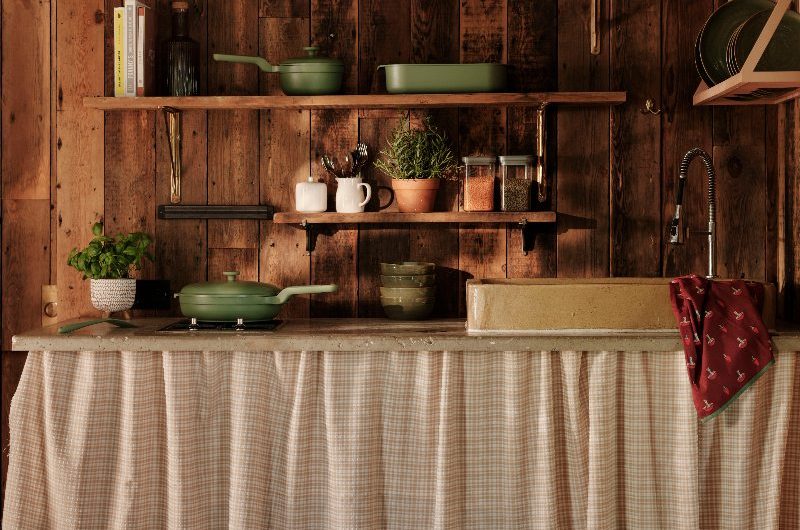
This trend works well in cosy bedrooms, too, “where you can create a cocooning feel reminiscent of cabins or wood-panelled members’ clubs,” she adds.
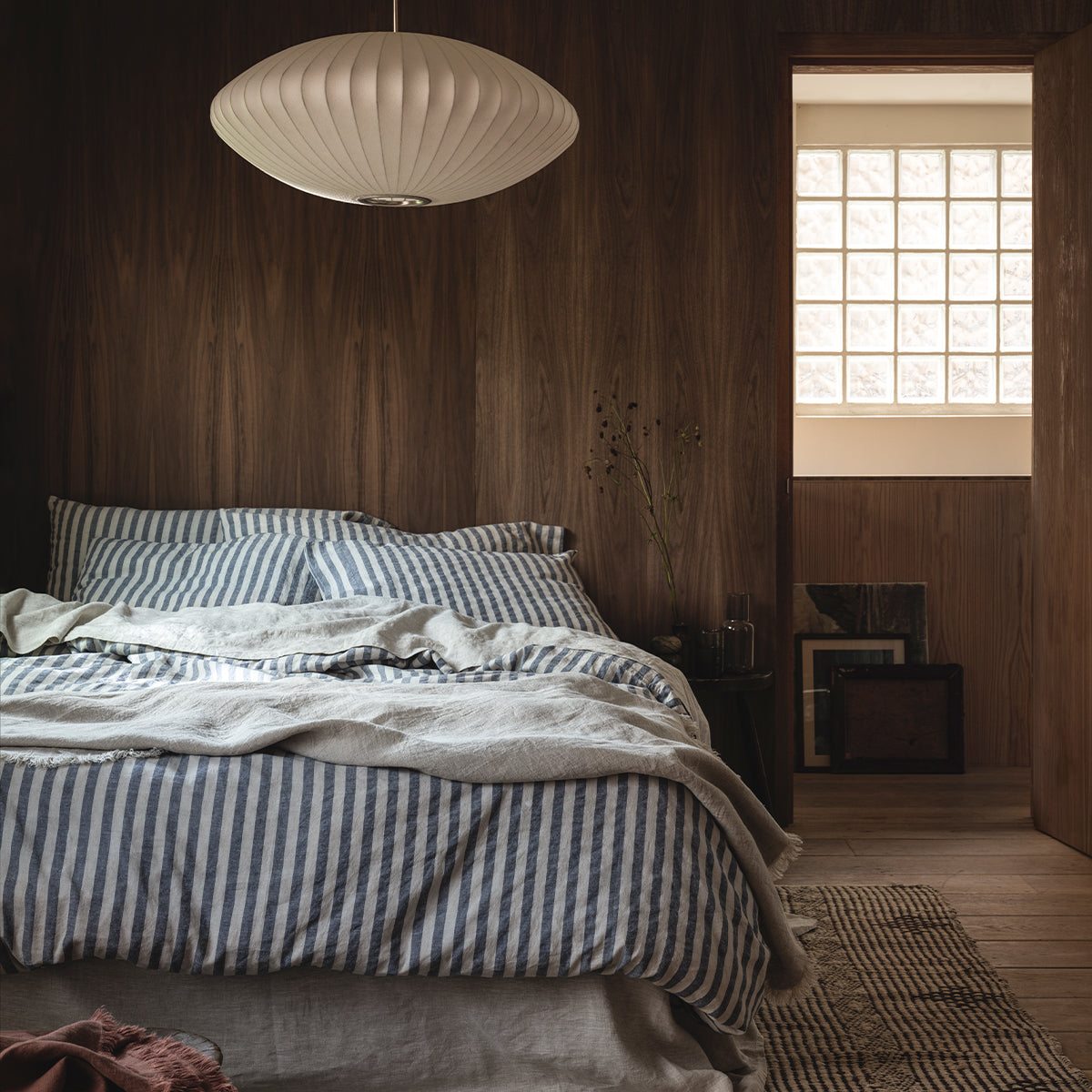
Wood-drenching can also emphasise the grandeur of a room, adds director of The Main Company, Alex Main. “So don’t shy away from it if you have high ceilings – make it a feature, instead.”
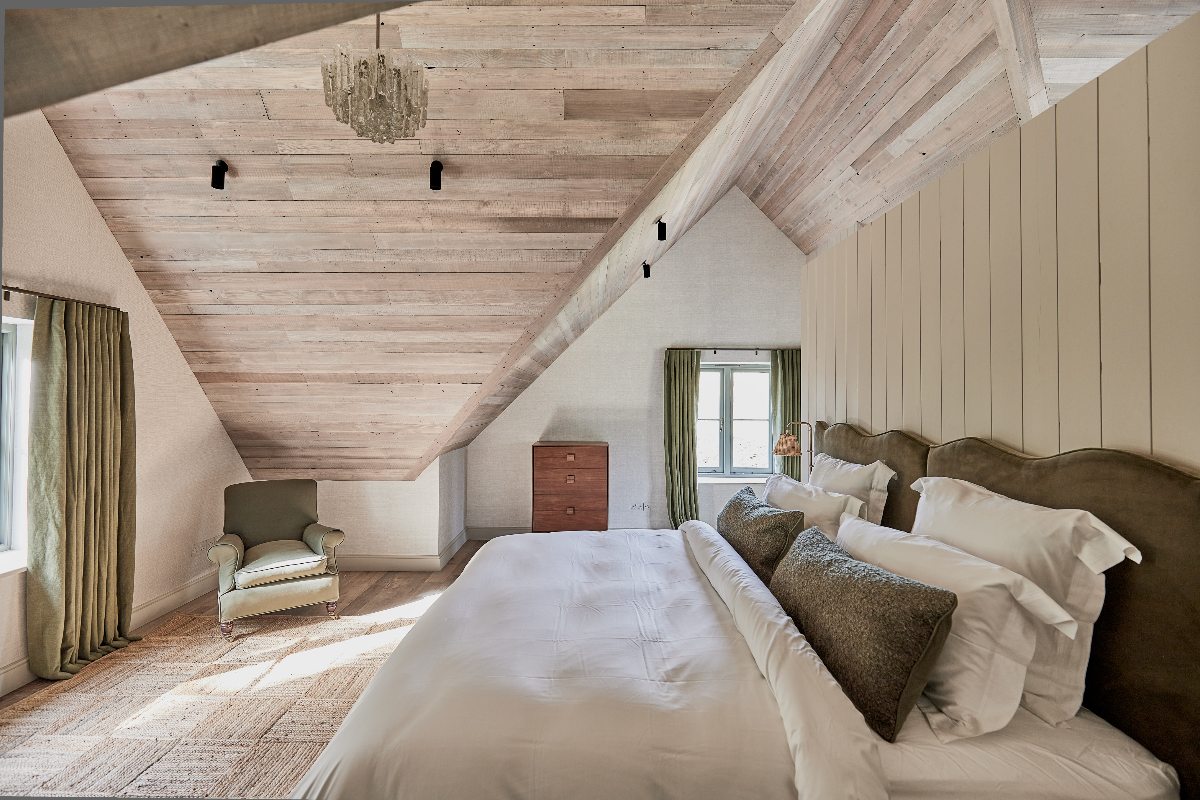
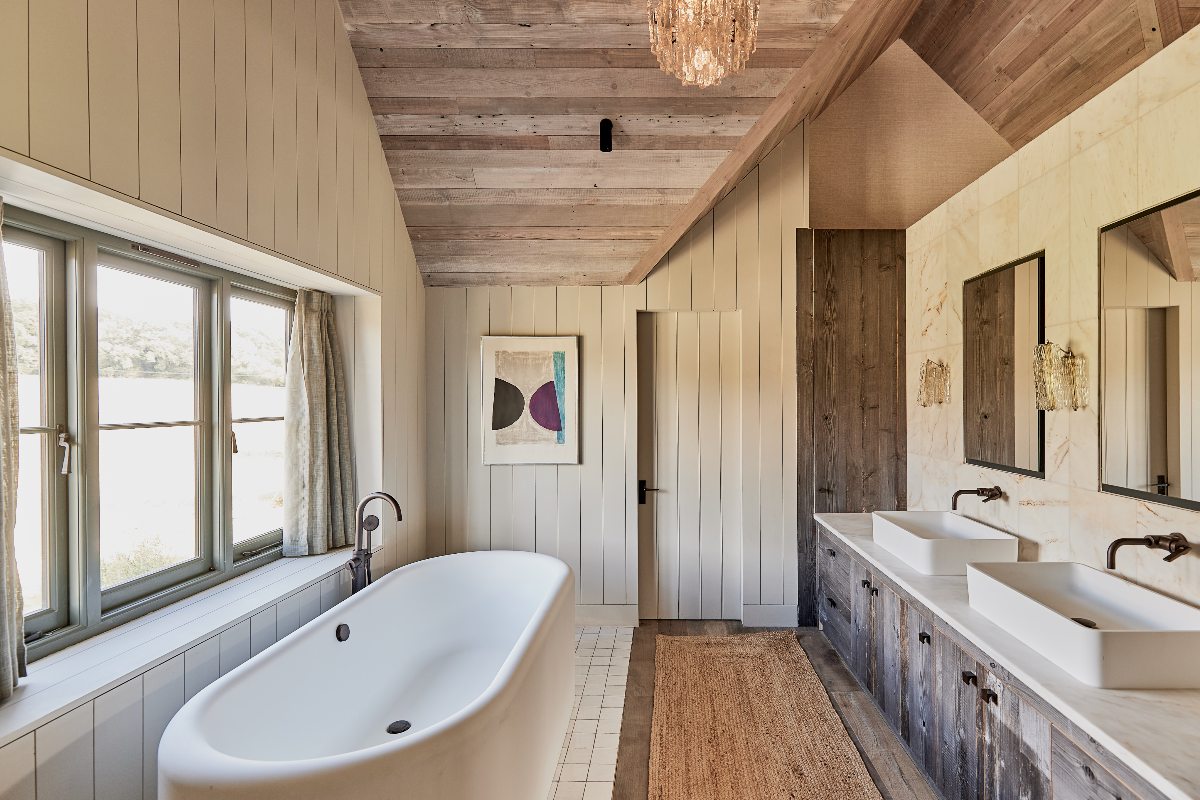
However, the bathroom is a different story. “While natural wood and engineered wood materials are beautiful, they are not as ideal for damp areas in the home,” says Parador’s CEO, Neel Bradham. Instead, “wood-look flooring options like vinyl and laminate offer an organic look and are highly resilient.”
Practicalities
There are a few other practicalities to be aware of, too. Since wood is a natural material, it is susceptible to movement and warping, says Alex. “Ensure it is installed by a professional and treated properly to avoid this happening and for the wood to continue to look its best,” he advises. Ian adds, “Timber will expand and contract with humidity, so proper installation and acclimatisation are essential.”
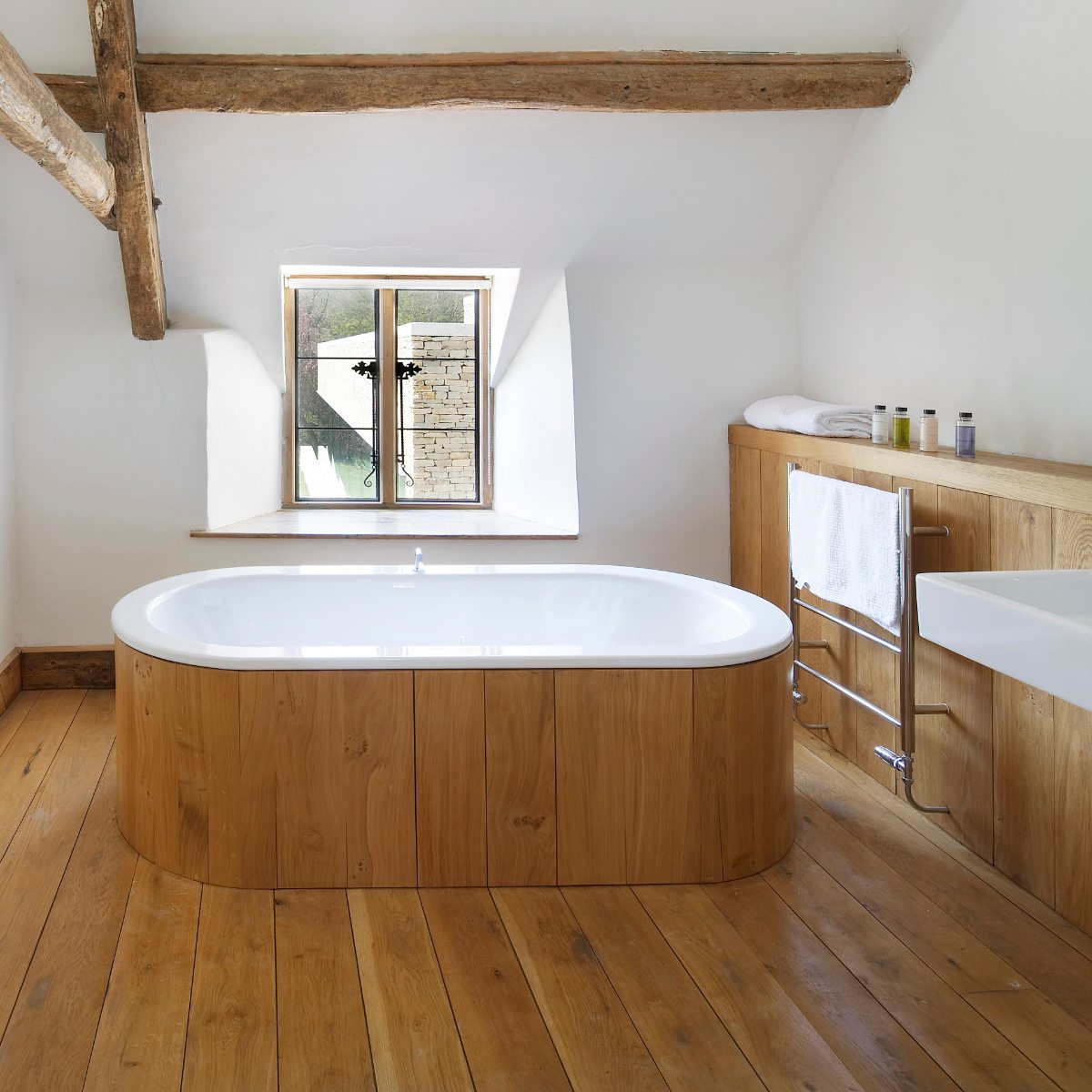
To get the look right, consistency is key, says Neel. “Choose a dominant material such as blonde oak, warm walnut, or smoky ash, and incorporate it throughout, across flooring, wall panelling, and shelving.” Ian agrees and says, “The right choice of timber can give a space a calming, elegant character while remaining incredibly welcoming.” He adds that for eco-conscious renovators, reclaimed or sustainably sourced wood is a wonderful solution.

Keep in mind it has natural variations in tones and finishes, though, so no piece of reclaimed wood is the same. “Although this is part of the beauty of the material, it is something to consider from an aesthetic point of view,” says Alex.
Finishing touches
As for the finishing touches, while looking to include more wooden accessories may seem like the apparent choice, Natalie says it’s all about balance and welcoming in other natural elements, too. “Contrast is key to offsetting the many tones of brown. Combine different wood finishes for a varied look and layer with natural linens, stone, and mixed metals.”
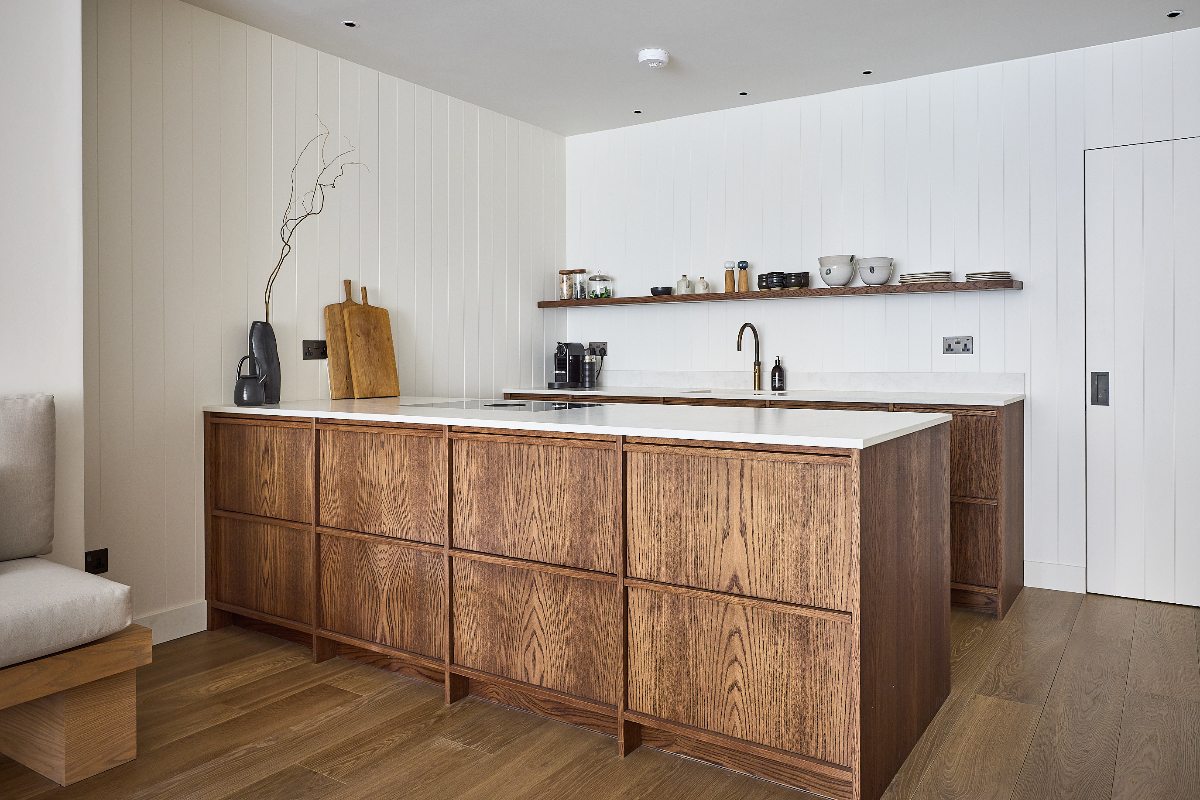
Still, will this look stand the test of time? “Timeless and natural, wood, when drenched, will feel fresh for years to come,” reassures Natalie. “Just make sure to choose a stain and finish that will complement your home.”
Spotted on social
Enjoyed this post? Click here for wood kitchen cabinet ideas, from light oak to dark walnut
About Post Author